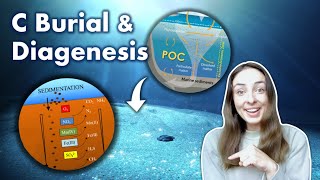
Organic Carbon Burial and Diagenesis - How Much Organic Carbon Is Actually Preserved?
Explore organic carbon burial and diagenesis in marine sediments, from production to preservation. Learn about microbial degradation, sediment reactions, and the surprisingly small fraction of carbon ultimately preserved.
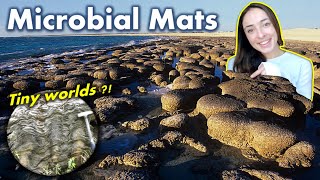
Where and How Microbial Mats Form, Types of Mats, and Biosedimentary Structures - GEO GIRL
Explore microbial mats: formation, types, and biosedimentary structures. Learn about their unique layering, environments, and preservation in geological records.
Bioleaching - Mineral-Dissolving Bacteria Help Us Obtain Valuable Metals but Produce AMD
Explore microbial metal oxidation, bioleaching techniques, and environmental impacts of biomining. Learn about acid mine drainage, heap leaching, and biooxidation for extracting valuable metals like gold.
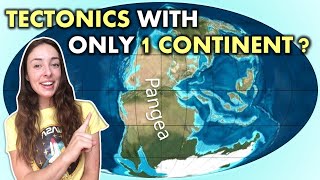
Geology of the Carboniferous and Permian - 360-252 Million Years Ago
Explore the formation of Pangea, major geological events, and climate changes during the Carboniferous and Permian periods, including mountain building, glaciations, and the development of coal swamps.
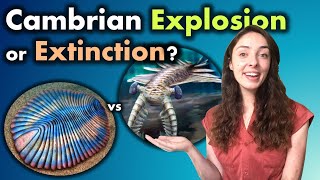
Cambrian Explosion - More Like Precambrian Explosion and Cambrian Skeletonization
Explores the Cambrian Explosion, challenging its name and timing. Discusses Ediacaran fauna, early animal evolution, mass extinctions, and factors contributing to increased diversity and complexity in Pre- and Early Cambrian life.

When Life Moved to Land and the Disastrous Consequences
Explore the evolutionary journey of life from sea to land, its climatic impacts, and the resulting mass extinctions. Learn about key transitions in Earth's history and their far-reaching consequences.
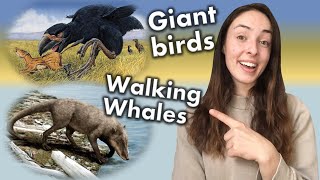
Early Cenozoic Life - Megalodon Roamed, Mammals Go Back to Sea, Huge Birds Hunt Horses
Explore the Early Cenozoic: megalodon sharks, walking whales, giant birds, and the rise of mammals. Discover how climate change and evolving grasslands shaped Earth's ecosystems and animal diversity.
Paleocene-Eocene Thermal Maximum to Eocene-Oligocene Cooling - GEO GIRL
Explore Earth's dramatic climate shifts from the Paleocene-Eocene Thermal Maximum to the Eocene-Oligocene cooling, examining their causes, effects on life, and lasting impact on our planet's environment.
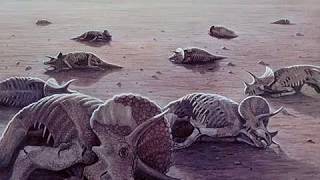
Lizards and Amphibians at the Cretaceous-Tertiary Boundary
Explore lizard and amphibian evolution across the Cretaceous-Tertiary boundary, examining fossil evidence, extinction patterns, and survival strategies in this paleontological deep dive.
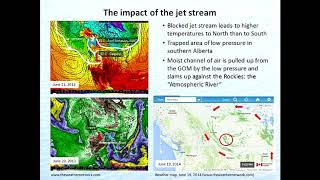
The 2013 Alberta Flood: Causes and Consequences
Exploration of the 2013 Alberta flood's causes, impacts, and geological consequences, with insights on future flood prevention and management strategies.
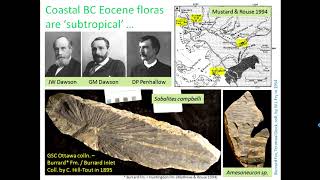
New Perspectives on Temperate Islands From a Past Greenhouse World
Explore ancient BC lakes and forests, uncovering insights into Earth's greenhouse past through fossil plants, pollen, and climate data from the Eocene epoch.
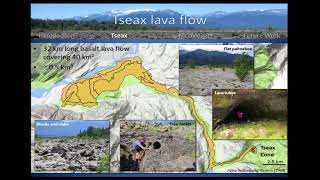
Canadian Volcanoes, Eh? Active Volcanoes on Canada’s Ring of Fire
Explore Canada's active volcanoes on the Ring of Fire. Learn about historical eruptions, their impacts, and the importance of studying and monitoring these geological wonders.
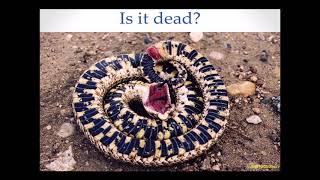
Snakes of Alberta
Learn to identify Alberta's native snakes, prevent encounters, protect habitats, and handle snake bites. Gain valuable insights on snake behavior, threats, and conservation efforts.
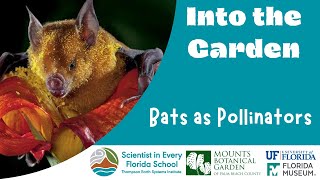
Into the Garden - Bats as Pollinators
Discover the vital role of bats as pollinators and insect controllers. Learn about Florida's bat species, their unique characteristics, and the challenges they face in this fascinating exploration of these misunderstood creatures.
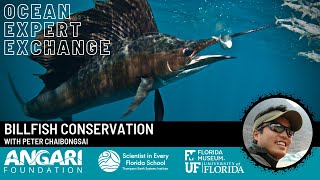
Ocean Expert Exchange - Billfish Conservation
Explore billfish conservation, including their characteristics, habitats, and tagging programs. Learn about research efforts and how to contribute to protecting these magnificent ocean creatures.
The Role of Microorganisms in the Everglades
Explore the vital role of microorganisms in the Everglades ecosystem, focusing on their impact on water quality and innovative methods for mitigating water pollution.
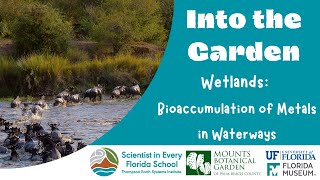
Into the Garden - Bioaccumulation of Metals in Waterways
Explore bioaccumulation of heavy metals in aquatic ecosystems, focusing on the Mara River. Learn about environmental impacts, wetland management, and the importance of water quality for wildlife and human activities.
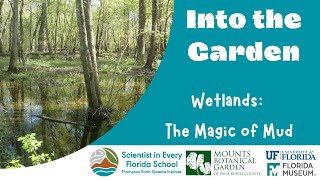
Wetlands - The Magic of Mud
Discover the crucial role of wetlands and their soil microorganisms in ecosystem resilience. Dr. Lisa Chambers explores the magic of mud and its impact on natural chemical cycles.
Earth Science - Climate Change (Part 2)
Explores Earth's carbon cycle, ozone depletion, biosphere sensitivity, deforestation, energy demand, and CO2 concentrations, emphasizing key environmental impacts and scientific evidence for climate change.
Earth Science - Climate Change (Part 1)
Explore climate systems, greenhouse effects, and planetary atmospheres, comparing Earth and Venus to understand climate change mechanisms and potential consequences.
Earth Science - Earthquakes
Explore seismic waves, plate boundaries, and earthquake measurement techniques. Learn about destructive phenomena like liquefaction and tsunamis.