
Android Security, or This Is Not the Kind of 'Open' I Meant
Explore Android security vulnerabilities, reverse engineering techniques, and potential solutions with insights from Trustwave SpiderLabs expert Mike Park.

Pwning Intranet with HTML 5
Explore HTML5's potential for intranet exploitation using BeEF framework. Learn footprinting, network discovery, port scanning, and inter-protocol exploitation techniques.
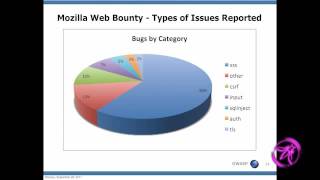
Security Evolution - Bug Bounty Programs for Web Applications
Explore the evolution of web security through bug bounty programs, focusing on Mozilla's experience, benefits, challenges, and ethical considerations.
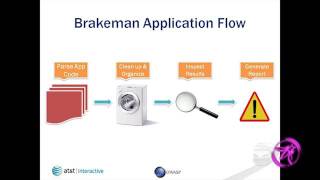
Brakeman & Jenkins - The Duo Detects Defects in Ruby on Rails Code
Explore static analysis tools for Ruby on Rails, focusing on Brakeman and Jenkins integration. Learn about security warnings, code updates, and best practices for detecting defects.

An Introduction to ZAP - The OWASP Zed Attack Proxy
Learn to use ZAP, an open-source web application security scanner. Explore features like active scanning, fuzzing, and brute force attacks to enhance your penetration testing skills.

Hacking .NET Applications - The Black Arts
Explore techniques for hacking .NET applications, including malware analysis, code review, and penetration testing. Learn to build keygens, cracks, and overcome security measures in .NET environments.

Simplifying Threat Modeling
Simplified approach to threat modeling: identify attack surfaces, visualize users as threats, illuminate assets and trust boundaries, postulate attacks, evaluate impact, and mitigate risks.
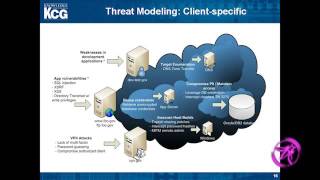
Improve Your SDLC with CAPEC and CWE
Enhance software development lifecycle using CAPEC and CWE. Learn threat modeling, design considerations, and security testing techniques to improve application security.
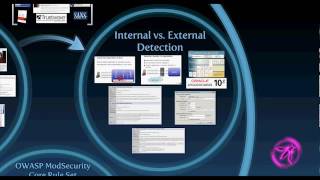
Implementing AppSensor in ModSecurity
Explore advanced web application security techniques using AppSensor and ModSecurity, focusing on detection points, SQL injection prevention, and innovative defense strategies.

Application Logging in the Era of GDPR
Explore application logging best practices in the GDPR era, covering security, privacy, data protection, and compliance recommendations for developers and operations teams.

Threat Modelling Stories from the Trenches
Explore real-world design flaws and secure design principles through interactive case studies in threat modeling across various domains, enhancing your software analysis skills.

A DevOps View of AppSec
Explore DevOps history and its impact on AppSec, charting a path for DevSecOps success through standardization, automation, and Agile principles.

Cloud Security at Scale - Managing the Chaos
Explore the challenges and best practices for securely migrating large enterprises' legacy infrastructure to the cloud, with actionable insights for a successful transition.

Do Certain Types of Developers or Teams Write More Secure Code?
Explore factors influencing secure code development, including developer experience, team dynamics, and work environment. Learn how human and environmental elements impact software security.

Achieve AI-powered API Privacy Using Open Source
Explore AI-powered API privacy using open-source tools. Learn about Privacy-by-Design, threat modeling, and leveraging deep neural networks to protect customer data in software development.

The Battle to Address Mobile in the Endpoint Security Space
Explore mobile device security challenges, threats, and vulnerabilities in enterprise environments. Learn about the increasing importance of mobile security and strategies to protect against data breaches.
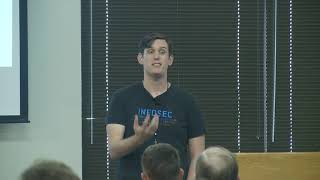
Learning the Power of the -Not My Responsibility- Mindset
Discover how shifting security responsibility to the business can improve accountability, reduce friction, and prevent burnout among security engineers while enhancing overall company security.
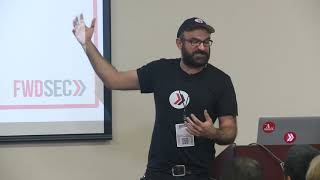
Securing Modern API and Microservice Based Applications by Design
Learn to secure modern API and microservices architectures with expert insights on key concerns, architectural patterns, and actionable solutions for robust application security.

The A's, B's, and Four C's of Testing Cloud-Native Applications
Explore cloud-native app testing with the A's, B's, and Four C's framework, covering threat modeling, API testing, and security management for modern software development.

Breaking Into Red Teaming
Explore essential skills, objectives, and methodologies for successful Red Team operations, covering physical access, cloud infrastructure, and effective communication strategies.

On the Internet, Nobody Knows You're a Dog - Revisiting the Meme After 25 Years
Explore the evolution of online identity verification, from historical trends to current challenges and future opportunities, including AI and ML applications in authentication and access management.