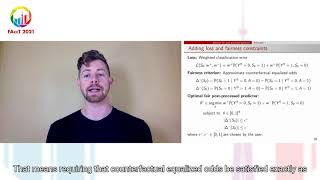
Fairness in Risk Assessment Instruments - Post-Processing to Achieve Counterfactual Equalized Odds
Explore post-processing techniques to achieve counterfactual equalized odds in risk assessment instruments, enhancing fairness in algorithmic decision-making systems.

Algorithmic Recourse - From Counterfactual Explanations to Consequential Interventions
Explore the evolution from counterfactual explanations to consequential interventions in algorithmic recourse, examining its impact on fairness and transparency in machine learning systems.

A Semiotics-Based Epistemic Tool to Reason About Ethical Issues in Digital Technology Design and Development
Explore a semiotics-based tool for addressing ethical challenges in digital technology design, enhancing decision-making and fostering responsible innovation.
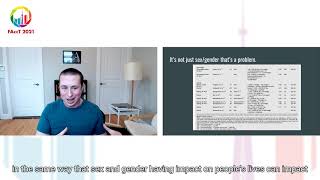
This Whole Thing Smacks of Gender - Algorithmic Exclusion in Bioimpedance-based Body Composition Analysis
Explore algorithmic exclusion in bioimpedance-based body composition analysis, focusing on gender-related issues and their implications for fairness in health technology.

Re-imagining Algorithmic Fairness in India and Beyond
Explore algorithmic fairness challenges in India, examining cultural contexts and proposing new frameworks for equitable AI development in diverse global settings.
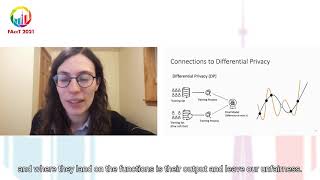
Leave-One-Out Unfairness
Explore the concept of leave-one-out unfairness in machine learning, its implications for algorithmic bias, and potential strategies for mitigating this issue in AI systems.
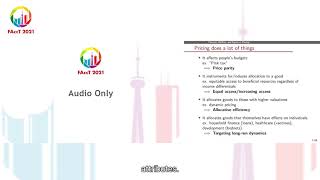
Fairness, Welfare, and Equity in Personalized Pricing
Explore the ethical implications and economic impacts of personalized pricing strategies, focusing on fairness, consumer welfare, and equity considerations in dynamic market environments.
Spoken Corpora Data, Automatic Speech Recognition, and Bias Against African American Language - The Case of Habitual 'Be'
Explore bias in automatic speech recognition systems against African American Language, focusing on the habitual 'be' usage and its implications for spoken corpora data analysis.
Documenting Computer Vision Datasets - An Invitation to Reflexive Data Practices
Explore reflexive data practices in computer vision datasets, emphasizing documentation's role in addressing ethical concerns and promoting transparency in AI development.
The Distributive Effects of Risk Prediction in Environmental Compliance - Algorithmic Design, Environmental Justice, and Public Policy
Explore the impact of risk prediction algorithms on environmental compliance, justice, and policy. Uncover the distributive effects and implications for algorithmic design in environmental regulation.
Designing an Online Infrastructure for Collecting AI Data From People With Disabilities
Explore the design of online systems for gathering AI data from individuals with disabilities, addressing challenges and ethical considerations in inclusive data collection.
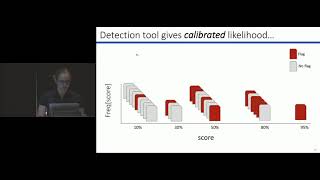
Fairness Methods
Explores advanced fairness methods in machine learning, including causal awareness, soft-to-hard decision making, and deep weighted averaging classifiers, to address bias and promote equitable AI systems.

Profiling and Representation
Explores bias in semantic representations, fair crowdsourced recommendations, profiling potential of computer vision, and rich subgroup fairness in machine learning. Discusses ethical implications in AI and data science.
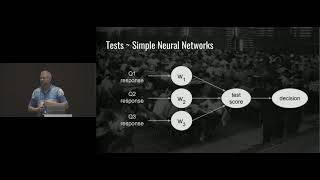
Framing and Abstraction
Explore problem formulation, fairness in testing, and sociotechnical systems in machine learning. Gain insights on ethical considerations and challenges in AI development and implementation.

Translation Tutorial - People Analytics and Employment Selection
Explore the use of machine learning in employment decisions, covering legal aspects, discrimination theories, and impact measurement of people analytics tools in hiring processes.
Quantifying and Reducing Gender Stereotypes in Word Embeddings
Hands-on exploration of gender biases in word embeddings, quantifying stereotypes, and implementing techniques to reduce bias in natural language processing applications.

Understanding the Context and Consequences of Pre-trial Detention
Explore the impact of pre-trial detention decisions through legal insights, risk assessment tools, and personal experiences. Gain a deeper understanding of criminal justice data beyond statistics.

Translation Tutorial - A Shared Lexicon for Research in Human-Centered Software Systems
Explore key terms in fairness, accountability, and transparency in algorithmic systems. Learn how different disciplines interpret these concepts to improve cross-disciplinary communication and research in human-centered software.

Auditing Black-box Models
Learn techniques to audit and interpret complex machine learning models, focusing on detecting unintended dependencies and biases using a specialized software library through hands-on examples.

21 Definitions of Fairness and Their Politics
Explore 21 mathematical definitions of fairness in machine learning, their embedded values, and implications for ethics and policy. Gain insights into the complexities of algorithmic fairness and its connection to theories of justice.
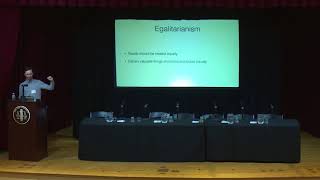
Fairness in Machine Learning - Lessons from Political Philosophy
Explore the intersection of machine learning fairness and political philosophy, drawing insights to address ethical challenges in AI decision-making systems.