
How Platform-User Power Relations Shape Algorithmic Accountability - A Case Study of Instant Loan Platforms and Financially Stressed Users in India
Explore power dynamics between instant loan platforms and financially stressed users in India, examining algorithmic accountability and its impact on vulnerable populations.
Multi-disciplinary Fairness Considerations in Machine Learning for Clinical Trials
Explore fairness in machine learning for clinical trials through a multi-disciplinary lens, examining ethical implications and potential biases in healthcare research.
Disclosure by Design - Document Engineering for Meaningful Data Disclosures
Explore document engineering techniques for creating meaningful data disclosures, enhancing transparency and user understanding in data-driven systems.

Epistemic Values in Feature Importance Methods - Lessons From Feminist Epistemology
Explore how feminist epistemology insights can enhance feature importance methods in machine learning, addressing biases and improving interpretability in AI systems.
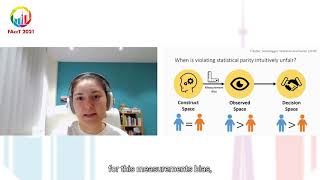
On the Moral Justification of Statistical Parity
Explore the ethical implications of statistical parity in algorithmic decision-making, examining its moral justification and impact on fairness in AI systems.
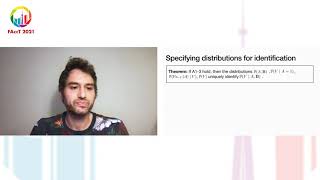
From Optimizing Engagement to Measuring Value
Explore the shift from engagement optimization to value measurement in digital platforms, examining ethical implications and proposing alternative metrics for user experience evaluation.

I Agree with the Decision, but They Didn't Deserve This - Future Developers' Perception of Fairness
Explore future developers' perceptions of algorithmic fairness, examining how they evaluate and interpret automated decision-making processes in various contexts.

The Effect of the Rooney Rule on Implicit Bias in the Long Term
Explore the long-term impact of the Rooney Rule on implicit bias, examining its effectiveness in promoting diversity and addressing unconscious prejudices in decision-making processes.

Building and Auditing Fair Algorithms - A Case Study in Candidate Screening
Explore a case study on building and auditing fair algorithms for candidate screening, focusing on ethical considerations and practical implementation in hiring processes.

A Statistical Test for Probabilistic Fairness
Explore a novel statistical test for probabilistic fairness in machine learning, addressing bias and discrimination concerns in algorithmic decision-making systems.
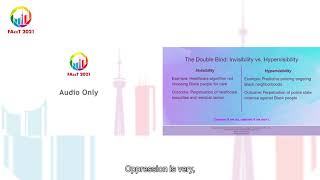
Black Feminist Musings on Algorithmic Oppression
Explore the intersection of Black feminism and algorithmic bias, examining how technology perpetuates systemic oppression and discussing potential solutions for a more equitable digital future.

BOLD - Dataset and Metrics for Measuring Biases in Open-Ended Language Generation
Explore metrics and datasets for measuring biases in open-ended language generation, focusing on the BOLD approach and its implications for fair AI systems.

Formalizing Trust in Artificial Intelligence - Prerequisites, Causes and Goals of Human Trust in AI
Explore the formalization of human trust in AI, examining prerequisites, causes, and goals in this research-focused presentation on the complex relationship between humans and artificial intelligence.
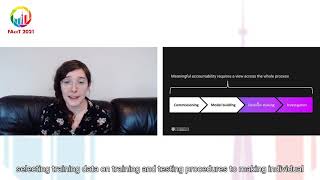
Reviewable Automated Decision-Making - A Framework for Accountable Algorithmic Systems
Explore a framework for accountable algorithmic systems, focusing on reviewable automated decision-making to enhance transparency and fairness in AI-driven processes.

Towards Accountability for Machine Learning Datasets - Practices from Software Engineering and Infrastructure
Explore practices from software engineering to enhance accountability in machine learning datasets, addressing ethical concerns and improving transparency in AI development.

Censorship of Online Encyclopedias - Implications for NLP Models
Explore how censorship of online encyclopedias impacts NLP models, examining political effects and implications for AI development and information access.
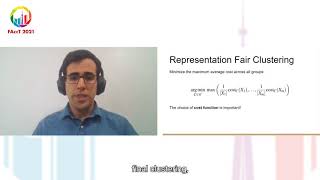
Fair Clustering via Equitable Group Representations
Explore equitable group representations in fair clustering algorithms, addressing bias and promoting fairness in machine learning applications.

Bridging Machine Learning and Mechanism Design towards Algorithmic Fairness
Explore the intersection of machine learning and mechanism design to address algorithmic fairness challenges in AI systems, focusing on innovative approaches and ethical considerations.
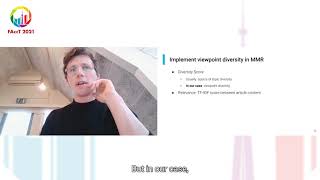
Operationalizing Framing to Support Multiperspective Recommendations of Opinion Pieces
Explore how framing analysis can enhance recommendation systems for opinion pieces, promoting diverse perspectives and reducing bias in information consumption.

A Bayesian Model of Cash Bail Decisions
Explore a Bayesian approach to modeling cash bail decisions, examining the factors influencing judicial determinations and their implications for fairness in the criminal justice system.

Towards Cross-Lingual Generalization of Translation Gender Bias
Explore gender bias in machine translation across languages, examining its impact and potential solutions for fairer AI-powered language processing systems.