
Bring Your Scenes to Life - Procedural Animation in Blender
Learn procedural animation techniques in Blender to add dynamic movement and life to your 3D scenes. Discover how to create engaging, automated animations that bring your still environments to vibrant reality.
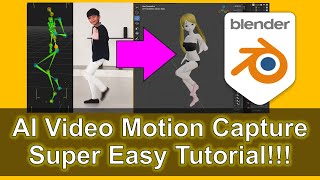
AI Video Motion Capture for Blender 4.1 - ThreeDPoseTracker to BVH Tutorial
Learn to perform AI video motion capture for Blender 4.1 using ThreeDPoseTracker. This step-by-step guide covers converting video to BVH format and importing into Blender for 3D humanoid animation.
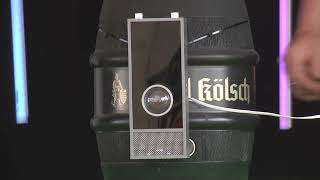
Building a Cloud-Free Digital Voice Assistant with FOSS
Explore the journey of creating a fully functional, cloud-free voice assistant using open-source software and a Raspberry Pi. Learn about system architecture, component selection, and 3D-printed enclosure design.

Blender Beginners Tutorial - Modeling & Unwrapping a Game Ready Flashbang
Learn to model and unwrap a game-ready flashbang in Blender, covering lowpoly and highpoly creation, UV mapping, and preparation for texturing using various plugins and techniques.

Learning Blender - A Step by Step Beginner Tutorial for 3D Artists
Comprehensive Blender tutorial covering navigation, tools, plugins, modeling techniques, and rendering. Ideal for beginners transitioning from other 3D software, with hands-on practice creating a 20mm Vulcan cannon round.
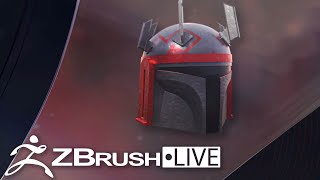
Come See How It’s Made in ZBrush – Ian Robinson – Maxon ZBrush Trainer
Explore advanced ZBrush techniques with Ian Robinson as he creates Star Wars fan art, demonstrating latest features and offering expert tips for digital sculpting and 3D modeling.

Optimal Collision and Avoiding Common Mistakes in Unreal Engine
Explore collision optimization in Unreal Engine, learn to avoid common mistakes, and discover when to use different collision types for improved gameplay and performance.
Gameplay-Conscious Level Design - Inside Unreal
Explore prototyping, playtesting, and technical aspects of level design that enhance core gameplay loops, ensuring an optimal player experience.
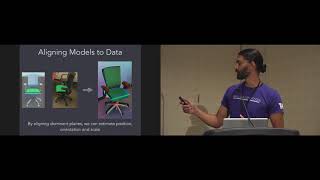
Interactive Room Capture on 3D-Aware Mobile Devices
Explore a novel system for interactive 3D room modeling using mobile devices, combining object recognition and augmented reality for quick, accurate, and effortless indoor space capture.
Character Pipeline and Customization System for Far Cry Primal
Explore Ubisoft's innovative character pipeline for Far Cry Primal, transitioning from 3DS Max to a cross-software approach using Python and ShaderFX, enhancing efficiency and customization in game development.
A New Dimension to Below - Personal Discovery and Adaptation
Explore Capybara Games' journey in transforming Below from 2D to 3D, covering technical challenges, workflow adaptations, and team dynamics for successful game development.

Super Humans of New York - Managing the Many Faces in Marvel's Spider-Man
Discover Insomniac Games' efficient pipeline for managing 150 facial rigs in Marvel's Spider-Man. Learn about character tiers, feedback processes, and innovative solutions for open-world head integration.
Low Cost Facial Scanning Using Photogrammetry in State of Decay 2
Learn cost-effective facial scanning techniques using photogrammetry for game development, with insights from Undead Labs' implementation in State of Decay 2 over two years and 200+ scans.
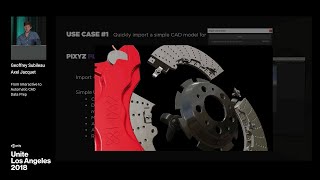
From Interactive to Automatic CAD Data Prep
Explore PiXYZ tools for converting and optimizing CAD models for Unity, focusing on efficient data preparation techniques for XR applications in the automotive industry.
Sprite Rigging Workflows in 2D Animation
Explore Unity's new Sprite Rigging tools for 2D animation, featuring efficient workflows and components to bring characters and worlds to life with tight iteration loops.
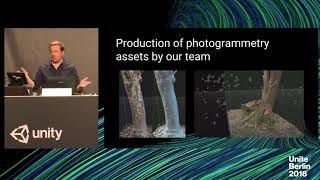
Book of the Dead - Environmental Design Techniques for Photo-Real Worldbuilding
Explore photogrammetry, asset creation, and advanced rendering techniques for building a hyper-realistic forest environment in Unity, with insights from the Book of the Dead demo team.
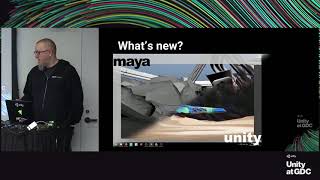
Powerful Round Tripping with Digital Content Creation Tools
Explore efficient digital content creation workflows between Maya and Unity, featuring improved FBX importing/exporting and custom plugins for seamless integration in game development pipelines.
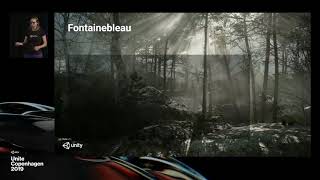
Getting Started with HDRP for Games
Explore HDRP for game development: assess suitability, learn implementation, and understand key features like lighting, post-processing, and compatibility in this comprehensive guide.

Substance PBR Materials Workflow for Real-Time Rendering
Explore Substance PBR materials for automotive rendering, covering creation methods, tools, and practical demonstrations for realistic vehicle materials in real-time.
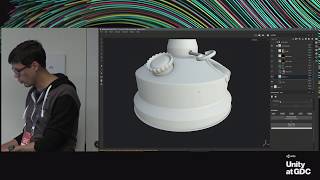
Substance in Unity 2018.1 - Unleashing PBR Materials
Discover Substance In Unity plugin: create PBR materials, access Substance Source, and streamline texturing with Substance Painter Live Link for enhanced project workflows.
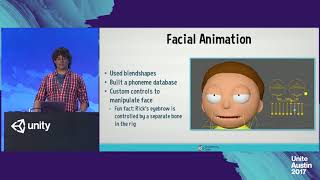
Building Believable Characters in VR
Learn techniques for creating immersive VR characters, from placement and interaction to animation and player engagement, as demonstrated in Rick and Morty: Virtual Rick-ality.