Utilization Clamping in CFS - Fairness, Latency, and Energy Efficiency
Explore utilisation clamping in CFS for Android systems, discussing fairness, latency, and energy efficiency to align expectations and implementation with upstream Linux.
5 Steps to Deploy Cloud Native Sustainable Foundation AI Models
Explore deploying high-performance, energy-efficient AI foundation models on Kubernetes. Learn containerization, deployment, energy measurement, consumption reduction, and performance-energy tradeoffs.

Ubuntu Development - Power Management Architecture
Explore Ubuntu's power management architecture, focusing on key components, energy-saving strategies, and system optimization techniques for improved battery life and performance.
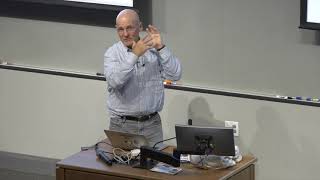
Domain Specific Architectures for Deep Neural Networks: Three Generations of Tensor Processing Units
Exploring three generations of Tensor Processing Units (TPUs) for deep neural networks, highlighting performance improvements and the rise of domain-specific architectures in the post-Moore's Law era.
Computer Vision for Global-Scale Biodiversity Monitoring
Exploring AI-driven earth observation systems for real-time biodiversity monitoring and conservation, addressing challenges in ecological data analysis and promoting collaborative, interdisciplinary approaches.
Open19 Project - Driving Open-Source Hardware
Explore the Open19 Project's open-source hardware initiative, covering platform components, benefits, cooling innovations, and sustainability efforts in data center infrastructure.

Optimizing and Developing Non-CPU Device Power Management by DEVFREQ
Explore advanced techniques for optimizing non-CPU device power management using DEVFREQ, enhancing energy efficiency in modern computing systems.
Sustainable Success - AI's Impact on Humanity and Innovation
Explore AI's transformative impact on humanity with Dr. Srinivas Kishan, a double PhD holder in AI. Discover how this technology can empower us to tackle complex problems and redefine possibilities.
DIY Smart Home Demonstration and How-to Using FOSS
Learn to create your own smart home system using free, open-source software. Explore practical demonstrations and step-by-step guidance for implementing DIY solutions.
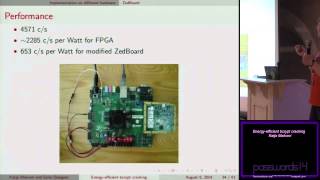
Energy Efficient BCrypt Cracking - Techniques and Strategies
Explore energy-efficient techniques for cracking bcrypt hashes, focusing on optimizing hardware and software for improved performance and reduced power consumption.
Ethical Implications of Generative Music AI - Lecture 5
Explore ethical challenges of generative music AI: copyright issues, musician displacement, energy use. Learn golden rules, legal implications, and potential future regulations in this thought-provoking discussion.
Building Sustainable AI for All
Explore the future of AI across diverse fields, its potential environmental impact, and the importance of developing sustainable, inclusive AI models for the benefit of all.
Shrinking Deep Learning Models: Techniques and Energy Considerations
Explore techniques to shrink deep learning models, reduce energy consumption, and run advanced architectures on commodity hardware. Gain insights into model efficiency and accessibility.

Label Wrangling - Managing Kubernetes Labels for Effective Cluster Management
Explore advanced Kubernetes label strategies for effective cluster management. Learn to standardize and enforce labeling practices using AI, improving ops, finops, sustainability, and security.
Saving the Planet One Cluster at a Time - Operationalizing Sustainability in Kubernetes
Explore strategies for reducing carbon footprints in Kubernetes clusters, enhancing regulatory compliance, and making sustainable architectural decisions for a greener future in cloud computing.

How AI Can Offer Ethical Solutions to Daily Problems
Explore how ethical AI can address sustainability challenges and drive positive change across diverse social and cultural contexts for a better world.
Harnessing AI for a Better World - Achieving UN Sustainable Development Goals
Exploring AI's transformative potential in achieving UN Sustainable Development Goals, with a focus on health and wellness, and a call to action for leveraging AI across all 17 SDGs.
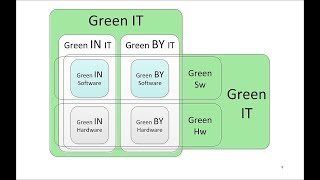
Green Software Architecture - Dos, Don'ts, and Some Surprises
Explore green software architecture principles, practices, and surprising insights to design environmentally-friendly systems. Learn to integrate sustainability into daily coding for reduced energy consumption and environmental impact.
Advancing Responsible AI: Unveiling the Software Carbon Efficiency Rating for LLMs
Explore the SCER initiative for measuring and improving carbon efficiency of Large Language Models, promoting sustainable AI development and renewable energy adoption.
Contributing to Kubernetes in Its Second Decade - SIG ContribEx Style
Explore Kubernetes governance, community structure, and diverse contribution opportunities. Learn about seeking help, avoiding pitfalls, and engaging in various roles beyond coding in the Kubernetes ecosystem.
Transforming the Energy Sector with AI
Explore groundbreaking AI applications in energy management, battery development, and materials manufacturing through expert talks and Q&A from the Alan Turing Institute's AI UK 22 showcase.