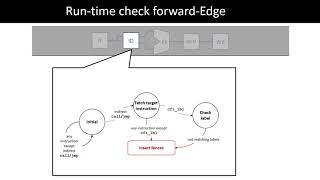
Mitigating Spectre Attacks Using CFI Informed Speculation
Mitigating Spectre attacks using Control-Flow Integrity to constrain speculative execution, combining forward and backward edge protection for comprehensive defense against non-vendor-specific vulnerabilities.
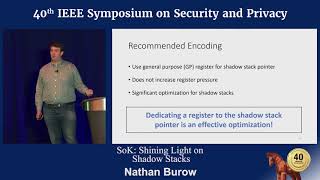
Shining Light on Shadow Stacks
Comprehensive analysis of shadow stack mechanisms for protecting against control-flow hijacking attacks, evaluating performance, compatibility, and security. Proposes a novel design using a dedicated register.
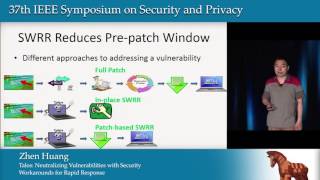
Talos - Neutralizing Vulnerabilities with Security Workarounds for Rapid Response
Neutralizing vulnerabilities using error-handling code for rapid response, minimizing patch delays while maintaining functionality. Explores automated security workarounds to mitigate risks in popular Linux server applications.
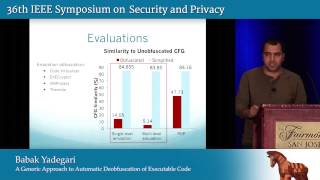
A Generic Approach to Automatic Deobfuscation of Executable Code
Explore a generic approach to automatically deobfuscate executable code, applicable to various obfuscation techniques. Learn about semantics-preserving transformations and their effectiveness in extracting internal logic from obfuscated malware.
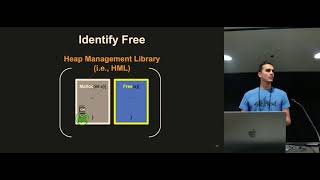
Heapster- Analyzing the Security of Dynamic Allocators for Monolithic Firmware Images
Explore Heapster's innovative approach to analyzing dynamic allocators in monolithic firmware, enhancing security through advanced identification and evaluation techniques.
Software Security: Keeping Pace with Rapid Development
Explore strategies for scaling software security assurance to match rapid development, addressing vulnerabilities, and maintaining effectiveness in fast-paced delivery environments.
Hacker-Powered Security in Agile Software Development - Webinar
Explore hacker-powered security in agile software development, covering open source risks, bug bounty benefits, and integrating security into continuous delivery workflows.

Attack Surface Reduction Strategies for Enhanced Security
Explore attack surface reduction strategies with Google Project Zero's Natalie Silvanovich, focusing on innovative techniques to enhance system security and minimize vulnerabilities.
Finding and Exploiting Hidden Functionality in Windows DLLs - LevelUpX Series 14
Explore hidden Windows DLL functionality, common bug patterns, and exploitation techniques for bug bounty hunters. Learn tools and methods to uncover vulnerabilities in web servers and network services.
Census II of Open Source Software Application Libraries the World Depends On
Explore key findings on widely used FOSS libraries in production applications, their impact on the economy, and how organizations can leverage this research to enhance operations.
Pwning Adobe Reader - Exploiting Vulnerabilities and Security Flaws
Explore advanced techniques for exploiting vulnerabilities in Adobe Reader, focusing on security flaws and potential attack vectors in this popular PDF software.
Back to the Core - Exploring Fundamental Security Concepts
Explore advanced techniques for analyzing and exploiting core system vulnerabilities in this in-depth security presentation from SyScan'15 Singapore.

Recon Brussels 2018 - Starcraft: Emulating a Buffer Overflow for Fun and Profit
Explore reverse engineering techniques used to emulate a buffer overflow in StarCraft, addressing challenges in preserving popular mods while enhancing game security.
Realizing Software Security Maturity - The Growing Pains and Gains
Explore the challenges and opportunities of implementing a comprehensive application security program using the Software Assurance Maturity Model (SAMM) to guide success beyond basic OWASP Top 10 compliance.
Closing the Gap: Countering Attackers' First Mover Advantage
Explore strategies to rapidly respond and remediate software vulnerabilities, focusing on the widespread impact of bad hygiene and the critical need for swift action in cybersecurity.
The Role of Empathy in Vulnerability Disclosure Practices for Software Vendors - 2017
Explore empathy's role in vulnerability disclosure, focusing on cross-functional collaboration, customer-centric decision-making, and building trust through effective communication in software security.

Stack Overflow: A Story of Two Security Tales - Enhancing Software Security
Exploring Stack Overflow's dual impact on software security: potential vulnerabilities and effective solutions. Highlights research findings and proposes design tweaks to enhance secure development practices.
Assessing Software Security Initiative Maturity: OpenSAMM and BSIMM Comparison - 2019
Explore OpenSAMM and BSIMM methodologies for evaluating software security maturity, comparing their features and learning best practices for implementation.
Securability - Enhancing Security Practices in Organizations
Explore strategies for enhancing security practices and improving overall organizational resilience in this insightful talk by Shannon Leitz.

As We May Code: Augmenting Software Security with Automated Reasoning
Exploring how cloud services and automated reasoning revolutionize software security, from development to bug detection, with examples from Microsoft's "Project Springfield" and future implications.

Threat Modeling for Secure Software Design
Practical strategies for threat modeling in secure software design, including risk management techniques to address potential threats and integrate with real-world development priorities.