
Breaking the Teeth of Bluetooth Padlocks
Explore vulnerabilities in Bluetooth padlocks and learn techniques to bypass their security measures, enhancing your understanding of IoT device weaknesses.
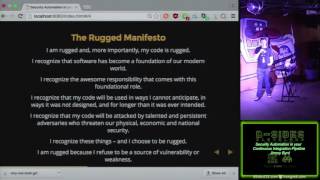
Security Automation in Your Continuous Integration Pipeline
Explore security automation in continuous integration pipelines, covering tools, implementation, and best practices for integrating security testing into development workflows.
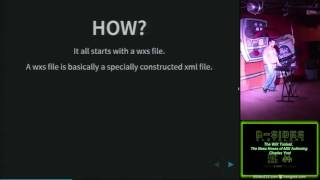
The WiX Toolset - How to Make Your Own MSIs
Learn to create Windows installers using WiX Toolset. Explore XML structure, product elements, package attributes, directory layouts, and component grouping for efficient MSI authoring.
Process Ventriloquism
Explore process manipulation techniques for Windows, including API methods, library injection, hooking, and memory scraping. Learn to inject Python interpreters for advanced control.
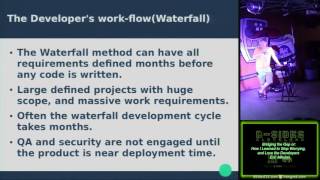
Bridging the Gap or How I Learned to Stop Worrying and Love the Developers
Learn strategies to improve collaboration between security teams and developers, fostering better communication and integration of security practices into the development process.
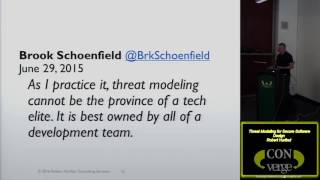
Threat Modeling for Secure Software Design
Learn threat modeling techniques to identify and mitigate security risks in software design. Enhance your ability to create secure applications through systematic analysis and proactive planning.
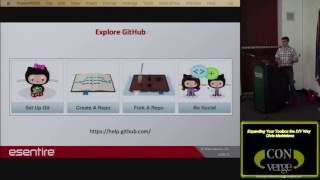
Expanding Your Toolbox the DIY Way
Explore DIY hacking tools, improve code, and build your own toolkit. Learn from mistakes, enhance functionality, and create cleaner outputs for more effective cybersecurity practices.
Metasploit Fuzzing and Exploit Development
Learn advanced Metasploit techniques for fuzzing and exploit development, covering overflows, stack manipulation, and shellcode creation. Gain practical skills inspired by Derbycon's founding.
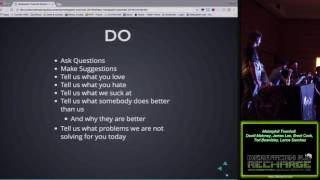
Metasploit Townhall
Explore Metasploit's latest developments and future plans with key team members in this informative townhall discussion from DerbyCon 2016.
Abusing RTF - Exploitation, Evasion, and Exfiltration
Explore RTF file exploitation techniques, evasion methods, and exfiltration strategies. Learn about file tampering, magic files, and fuzzing to enhance your cybersecurity skills.
Evolving Your Office's Security Culture
Evolving office security culture: strategies for policy enforcement, organizational maturity, and fostering a security-conscious environment through training and metrics.
I Don't Give One IoTA - Introducing the Internet of Things Attack Methodology
Explore the Internet of Things Attack Methodology, covering hardware analysis, web and mobile app testing, network pentesting, and API testing for IoT security.
Fuzzing Basics - How to Break Software
Learn essential fuzzing techniques to identify software vulnerabilities, enhance security testing skills, and improve overall application robustness.
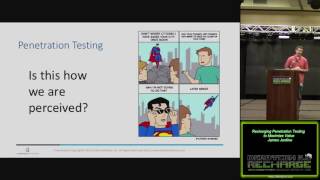
Recharging Penetration Testing to Maximize Value
Strategies to enhance penetration testing effectiveness, including improved scoping, collaboration, and reporting techniques for maximizing value and impact in information security.
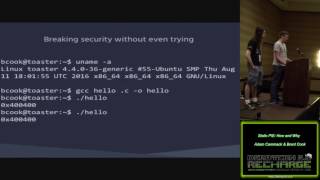
Static PIE - How and Why
Explore static Position Independent Executables (PIE) in-depth, understanding their implementation, benefits, and security implications for modern software development.
Finding a Weak Link - Attacking Windows OEM Kernel Drivers
Explore Windows OEM kernel driver vulnerabilities through fuzzing, analysis, and exploitation techniques. Learn to identify weak points and understand potential security risks in driver implementations.
Reverse Engineering All the Malware and Why You Should Stop
Explore efficient malware analysis techniques, automation tools, and dynamic instrumentation methods to enhance reverse engineering skills and streamline the process.
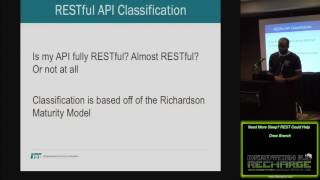
Need More Sleep - REST Could Help Drew Branch
Explore REST APIs, their classification, testing methods, and security considerations. Learn about status codes, data formats, and tools like Postman and Burp Suite for API development and protection.
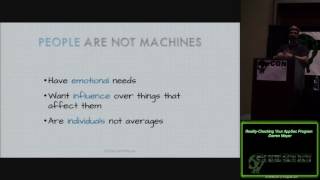
Reality Checking Your AppSec Program
Explore strategies to critically assess and improve your AppSec program, focusing on compliance, maturity, education, and validation beyond traditional metrics and assumptions.
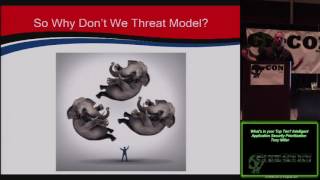
What's in Your Top Ten - Intelligent Application Security Prioritization
Explore pragmatic threat modeling approaches for application security, focusing on architecture-driven methodologies and their integration into the software development lifecycle.

Intro to Linux Part 2
Explore Linux command line essentials, SSH, file management, and version control with Git. Learn practical skills for system administration and software development.