
Yes, No, Maybe? Error Handling with gRPC Examples
Explore error handling in gRPC with practical examples, focusing on client-server discrepancies and effective code snippets for managing various response scenarios.
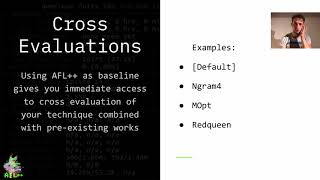
AFL++ - Combining Incremental Steps of Fuzzing Research
AFL++: A community-driven fuzzing tool combining state-of-the-art research, offering novel features like Custom Mutator API. Enhances fuzzing process, enables quick testing of new techniques, and evaluates effectiveness individually and in combination.
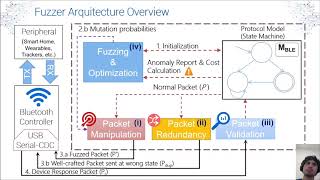
SweynTooth - Unleashing Mayhem over Bluetooth Low Energy
Explores vulnerabilities in Bluetooth Low Energy protocol implementations, presenting a systematic fuzzing framework that discovered 11 new vulnerabilities across various devices and IoT products.
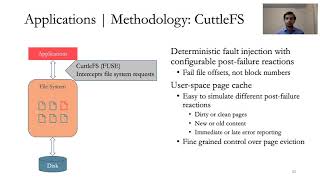
Can Applications Recover from fsync Failures?
Análisis de cómo sistemas de archivos y aplicaciones modernas reaccionan ante fallos de fsync, revelando vulnerabilidades críticas en la durabilidad de datos y sugiriendo mejoras de diseño.

The Smallest Possible SRE Team
Strategies for maximizing SRE impact with limited resources. Learn to leverage data, tools, and communication for effective small-scale SRE implementation and organizational influence.
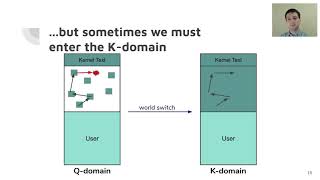
Efficiently Mitigating Transient Execution Attacks Using the Unmapped Speculation Contract
Explores efficient mitigation of transient execution attacks using the unmapped speculation contract, presenting Ward kernel design for improved performance without compromising security.
UNVEIL - A Large-Scale, Automated Approach to Detecting Ransomware
Automated approach to detect ransomware through dynamic analysis, focusing on file tampering and desktop changes. Improves detection of evasive ransomware unnoticed by traditional antimalware solutions.
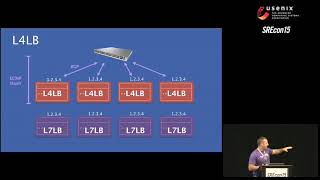
Building a Billion User Load Balancer
Discover Facebook's innovative load balancing techniques for handling billions of users, improving performance, managing capacity, and enhancing reliability at a global scale.
SRE in the Small and in the Large
Explore SRE principles applicable to organizations of all sizes, from startups to tech giants. Learn key practices for system reliability, scalability, and efficient operations.

Engineering Onboarding
Industry experts discuss challenges, changes, and future trends in engineering onboarding, covering remote work, diversity, training methods, and strategies for improving new hire experiences.
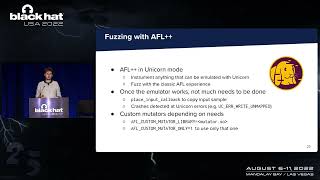
Attack on Titan M, Reloaded - Vulnerability Research on a Modern Security Chip
Explore vulnerability research on Google's Titan M security chip, including fuzzing techniques, impact analysis, and mitigation strategies for modern device protection.

Finding Vulnerabilities in TensorFlow
Explore vulnerabilities in TensorFlow through advanced fuzzing techniques, focusing on deep issues hidden in complex code logic and semantic contexts beyond traditional API fuzzing methods.

A Universal Way to Exploit Android PendingIntents in High-profile and System Apps
Explore Android PendingIntent vulnerabilities in high-profile apps, learn exploitation techniques, and discover security implications through case studies and practical demonstrations.

A Titan M Odyssey
Explore Google's Titan M chip: its architecture, security features, and potential vulnerabilities through reverse engineering and dynamic analysis techniques.

Supply Chain Infections and the Future of Contactless Deliveries
Explore supply chain risks, their consequences, and industry mitigation strategies in light of recent challenges. Gain insights into software integrity and future security measures.
How Embedded TCP-IP Stacks Breed Critical Vulnerabilities
Explore critical vulnerabilities in embedded TCP/IP stacks, their impact on system security, and techniques for analysis and mitigation in networked embedded systems.

The History of the Future
Explore the evolution of computing with Walter Isaacson and tech leaders, discussing key innovations, pioneers like Alan Turing, and the ongoing debates shaping our digital future.
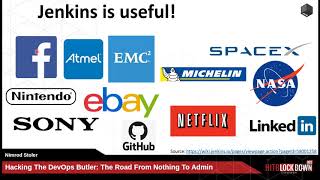
Hacking the DevOps Butler - From Nothing to Admin
Explore Jenkins vulnerabilities and exploitation techniques, focusing on two critical flaws that allow unauthenticated attackers to gain admin access and control entire infrastructures.
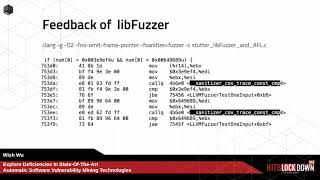
Exploring Deficiencies in Automatic Vuln Mining Technology
Exploring deficiencies in automatic vulnerability mining tools and proposing a new technique to improve software security through analysis of popular tools and creation of challenging example codes.
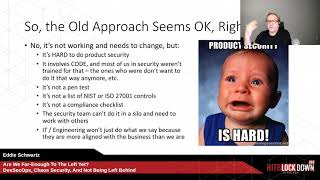
DevSecOps, Chaos Security, and Not Being Left Behind
Exploring DevSecOps and Chaos Security Engineering to integrate business, development, and security teams for effective product security and staying ahead of adversaries.
How to Hack Medical Imaging Applications via DICOM
Explore critical security vulnerabilities in DICOM servers, protocols, and libraries used in medical imaging systems. Learn to identify and fix bugs in the DICOM ecosystem.