Simple Calculations with Spreadsheets
Learn to use spreadsheets for basic physics calculations, enhancing computational skills and problem-solving abilities in a visual, step-by-step manner.
Python Tutorial 3 - Graphing for Computational Physics - Absolute Beginners
Learn to create graphs for computational physics using Python, ideal for undergraduate assignments and beginners in scientific data visualization.
Python Tutorial 1 - Computations and Variables for Computational Physics Beginners
Learn essential Python basics for computational physics, including computations and variables, tailored for undergraduate-level assignments in this beginner-friendly tutorial.
Pendulum Simulation: Double Pendulum Dynamics - Part 4
Explore the challenges of simulating a double pendulum system, including unexpected results and troubleshooting techniques in VPython.
Wave Function Evolver for 2D Harmonic Oscillator - Episode 7
Explore a working wave function evolver for a Gaussian wave in a 2-D harmonic oscillator potential, with debugging and tweaks demonstrated in VPython.
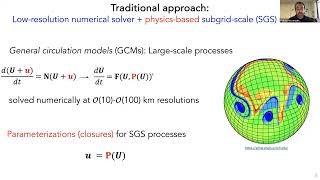
Integrating Physics, Data and Scientific Machine Learning to Predict Climate Variability and Extremes
Explore cutting-edge approaches combining physics, data analysis, and machine learning to enhance climate variability and extreme event predictions with Prof. Pedram Hassanzadeh.

From Petabytes to Insights - 2023 AGU Informatics Leptoukh Award Lecture
Explore cutting-edge data analysis techniques for transforming massive scientific datasets into actionable insights in Earth and space sciences.
Physics 4A - Analyzing SHO Motion with SageMath
Explore simple harmonic oscillation analysis using SageMath software in this advanced physics lecture, enhancing computational skills for complex motion studies.
Numerically Solving the Schrodinger Equation in Scilab - Harmonic Oscillator and Infinite Square Well
Learn to numerically solve the Schrödinger equation using Scilab, covering finite difference methods and applications to harmonic oscillator and infinite square well potentials.
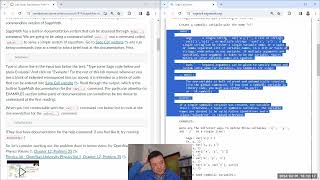
Physics 4A - SageMath Mini Tutorial
Learn to use SageMath for physics calculations and problem-solving in this concise tutorial designed for PHYS 4A students.
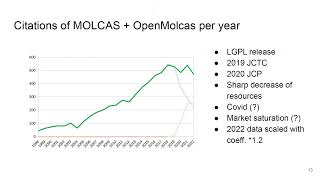
Paragatic Observations Over the Development of Software in Quantum Chemistry
Explore pragmatic insights into quantum chemistry software development, focusing on key trends and practical considerations in this evolving field.
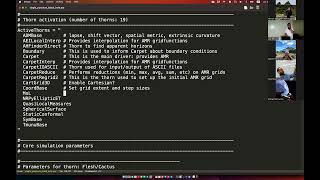
Tutorial on Simulation Analysis
Explore advanced techniques for analyzing gravitational wave simulations, focusing on data interpretation and visualization in computational relativity research.
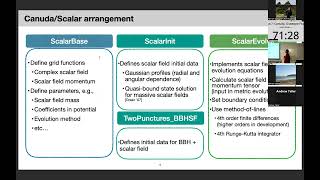
Canuda Tutorial
Explore gravitational wave analysis using the Canuda toolkit in this comprehensive tutorial from the 2023 North American Einstein Toolkit School and Workshop.
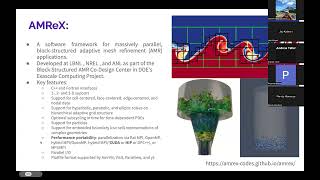
AsterX and GPU Simulations in Computational Relativity - Tutorial
Explore AsterX and GPU simulations for computational relativity and gravitation, enhancing understanding of advanced numerical techniques in astrophysics.
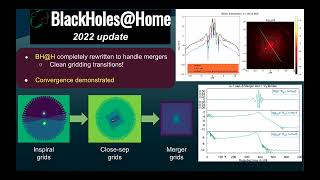
BlackHoles@Home - Citizen Science in Computational Relativity
Explore cutting-edge research on black holes through citizen science, contributing to gravitational wave detection and understanding cosmic phenomena.
Tutorial on Writing a Physics Thorn - Einstein Toolkit
Learn to create a physics thorn in the Einstein Toolkit, exploring computational techniques for relativistic astrophysics and gravitational wave research.
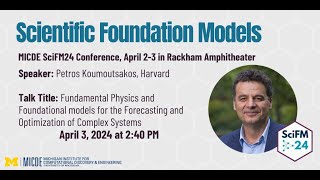
Fundamental Physics and Foundational Models for the Forecasting and Optimization of Complex Systems - Lecture 12
Explore fundamental physics and foundational models for forecasting and optimizing complex systems, enhancing your understanding of advanced scientific concepts.
Introduction to Chemical Data - Tutorial 2
Explore chemical data analysis techniques and tools for effective interpretation and visualization of complex datasets.
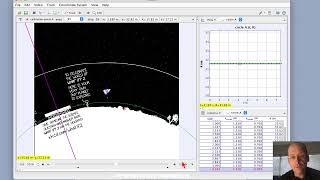
Video Analysis of More Complicated Motions in What If World
Explore advanced video analysis techniques for complex motions using Tracker software, focusing on rocket movement in the What If world.
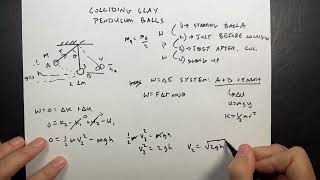
Physics Problem: Colliding Clay Pendulum Balls
Solve a physics problem involving colliding clay pendulum balls using conservation of energy and momentum principles.
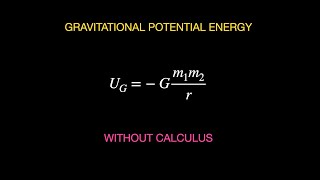
Universal Gravitational Potential Energy Without Calculus
Explore gravitational potential energy through numerical calculations in Python, avoiding calculus for a practical understanding of universal gravitation.