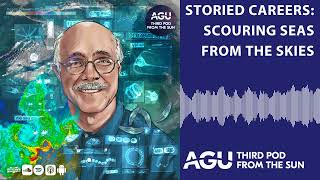
Satellite Technology for Ocean Study - Storied Careers in Marine Research
Satellite technology reveals ocean secrets through color sensors, studying phytoplankton blooms and their impact on global photosynthesis. Scientist Charles McClain discusses his pioneering research since the 1970s.
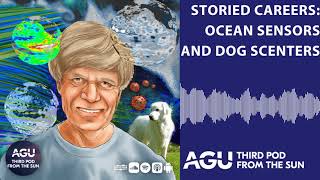
Storied Careers: From Ocean Sensors to Dog Scenters
Oceanographer Tommy Dickey's journey from developing ocean monitoring technologies to training therapy dogs and studying scent detection in retirement, highlighting diverse career paths in science.
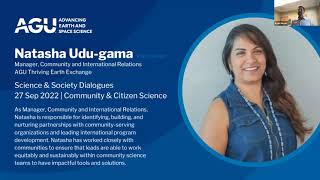
Science and Society Dialogues - Community and Citizen Science
Explore the intersection of community engagement and scientific research through citizen science initiatives, fostering collaboration between researchers and the public.
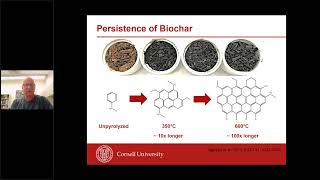
What Are the Soil Carbon Sequestration Potentials of Biochar and Enhanced Weathering?
Explore the potential of biochar and enhanced weathering for soil carbon sequestration, examining their effectiveness, implementation methods, and environmental impacts.
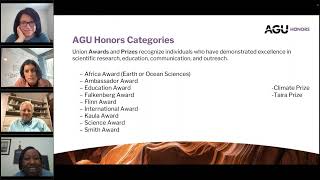
Demystifying the Honors Nomination Process - AGU Honors Program Background
Explore the AGU Honors Program nomination process, gaining insights into its background and procedures for recognizing outstanding contributions in Earth and space sciences.
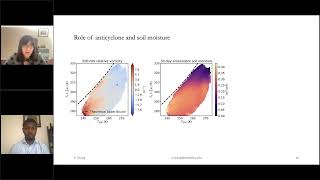
Early-Career Science Seminar Series - Physics and Dynamics
Explore cutting-edge physics and dynamics research in this seminar series designed for early-career scientists, featuring expert presentations and discussions on current topics.
Stolen Moon Ice - Origins and Potential Uses in Future Lunar Missions
Explore lunar ice origins and potential uses for future space missions. Scientists discuss how the moon acquired its ice and its significance for astronauts.
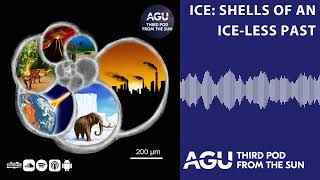
Ice: Shells of an Ice-Less Past - Tracking Climate Change Through Foraminifera Fossils
Explore Earth's ice-free past through fossil evidence, uncovering climate changes and their implications for our future with Smithsonian climate detective Brian Huber.
Ice: Birds Foretelling Climate Change
Explore how climate change impacts snow petrels in Antarctica through Indian researcher Anant Pande's work, revealing the delicate balance between melting ice and extreme weather on these unique birds' nesting habits.
Extinctions: The Cambrian Explosion Revisited
Geoscientist Rachel Wood challenges the traditional view of the Cambrian explosion, offering new insights into the emergence of animals on Earth and redefining our understanding of this pivotal period in evolutionary history.
Extinctions: Oddballs of the Triassic
Explore the unique vertebrates of the Triassic era and their extinctions with Smithsonian paleontologist Hans Sues. Discover strange animals, extinction events, and the challenges of fossil fieldwork.
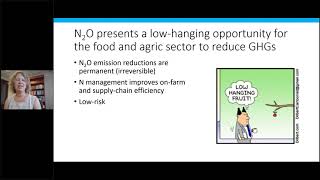
Managing N2O - Quantifying and Reducing Agricultural N2O Emissions at Scale
Explore strategies for quantifying and reducing agricultural N2O emissions, focusing on large-scale accounting and improved water management in the U.S. corn belt.
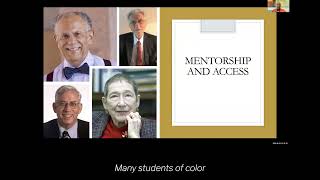
Who Dr. Marshall Shepherd Is in 21 Pictures - AGU LANDInG Inclusive Webinar Series
Renowned climate expert Dr. J. Marshall Shepherd shares his personal journey and insights on diversity, equity, and inclusion in STEM fields through 21 impactful images.
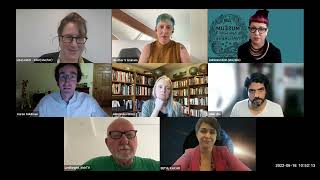
What Might Life Be Like Beyond Earth and How Will We Recognize It? - AbSciCon22 Roundtable 1
Explore potential forms of extraterrestrial life and methods for its detection with experts in astrobiology, discussing diverse environments, biosignatures, and future research directions.
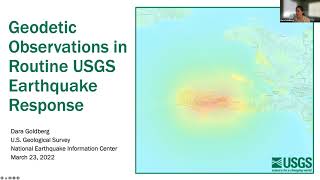
Geodetic Observations in Routine USGS Earthquake Response
Explore how geodetic data enhances USGS earthquake monitoring, improving accuracy and understanding of seismic events for better public safety and scientific research.
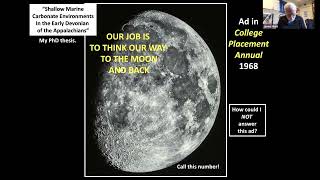
Planetary Exploration and Geological Processes - AGU Distinguished Lecture
Explore planetary geology with Dr. James Head III as he shares insights on space exploration and celestial bodies in this engaging lecture at IIT Kharagpur.
Latest Science from NASA's Juno Mission to Jupiter
Discover the latest findings from NASA's Juno mission, including Jupiter's Great Blue Spot, polar cyclones, magnetosphere, and interior. Explore citizen scientists' contributions and hear Ganymede's magnetosphere sounds.
Taming the Wild Mississippi River Delta - Research Insights
Experts discuss the Mississippi River Delta's rapid changes due to natural and human factors, offering insights into its dynamic nature and the impact of severe storms and climate change.
Explaining Extreme Weather Events of 2020 from a Climate Perspective
Experts analyze climate change's role in 18 extreme weather events from 2020, including droughts, heatwaves, and wildfires, discussing rapid climate attribution methods and their applications.
NOAA Arctic Report Card 2021 - Climate Change Impacts in the Polar Region
NOAA's 2021 Arctic Report Card reveals ongoing climate-driven transformations in the polar region, impacting weather, climate, and communities worldwide. Experts discuss rapid changes and the need for improved observations.
Canine Oil Spill Detection: Using Odor Signatures to Improve Detection on Land and Water
Researchers discuss using trained dogs for oil spill detection, exploring the chemical properties enabling canine detection, and improving training methods based on their findings.