
Acetylcholinesterase Enzyme Plasma Level - Lab - Anesthesiology
Explore acetylcholinesterase enzyme plasma levels in anesthesiology, covering cholinergic agonists, indications, and autonomic pharmacology for enhanced clinical understanding.

The Sympathetic Response - Fight-Flight - Neurophysiology
Explore the sympathetic nervous system's fight-or-flight response, including its functions, the role of the adrenal medulla, and the effects of norepinephrine on the body.

Oogenesis - Biology - MCAT
Explore the intricate process of oogenesis, from follicular development to ovulation, and understand its crucial role in human female reproduction and fertility.

Autonomic Nervous System
Explore the autonomic nervous system's motor and sensory functions, correcting misconceptions and providing insights into its role in physiology and bodily regulation.

Dementia and Alzheimer's Disease
Explore dementia and Alzheimer's, covering definitions, case studies, biomarkers, genetics, pathophysiology, and the role of sleep in cognitive health.
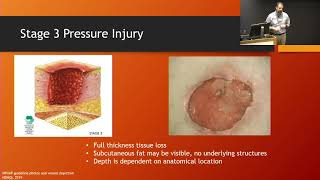
Wound Care - A Team Approach and An Overview of Hyperbaric Oxygen Therapy
Comprehensive overview of wound care approaches, including hyperbaric oxygen therapy. Explores pathophysiology, treatment roles, innovative techniques, and future developments in wound management.

Current Standards of Practice in Treating Obesity
Comprehensive overview of obesity treatment, covering medical and surgical approaches, team-based care, and long-term outcomes. Explores appetite control, medications, and various surgical techniques.

Prime Time Alive - Keys to Healthy Longevity
Explore keys to healthy longevity, including demographic trends, centenarian studies, lifestyle factors, and emotional health. Learn about exceptional longevity and historical influences on lifespan.

The Ups and Downs of the Greenwich Time Ball
Explore the fascinating history and challenges of the Greenwich Time Ball, from its inception to modern-day restoration efforts and technical intricacies.

Sleep Deprivation in the ICU
Explore the impact of sleep deprivation on healthcare providers, including effects on alertness, performance, and patient safety. Learn about policies and future steps to address this critical issue.

Emerging Trends in Research - Journal Prioritization
Explore journal prioritization in pediatric critical care research, gaining insights on emerging trends and understanding how to stay updated with key publications in the field.

Palliative Pain and Symptom Management
Comprehensive guide to assessing and managing pain and other symptoms in palliative care, covering assessment techniques, treatment options, and practical case examples for healthcare professionals.

Hemoptysis - Overview and Management
Comprehensive overview of hemoptysis, covering definition, diagnosis, physical examination, lab studies, and treatment options. Equips healthcare providers with essential knowledge for managing this condition.

Characteristics and Outcomes of U.S. Children and Adolescents with MIS-C by Dr. Adrienne Randolph
Dr. Randolph discusses epidemiology, clinical characteristics, and outcomes of pediatric Severe Acute COVID-19 and MIS-C, providing insights to distinguish between these conditions for timely and effective therapies.

Pathophysiology and Diagnosis of Heart Failure
Comprehensive overview of heart failure in pediatrics, covering causes, classification, clinical signs, and diagnostic approaches. Essential for healthcare providers treating critically ill children.
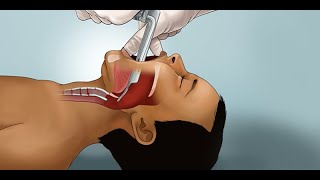
Pediatric Endotracheal Intubation
Comprehensive guide to pediatric orotracheal intubation, covering indications, anatomy, equipment, procedure, complications, and aftercare. Includes simulations and animations for effective learning.

Caring for Patients with Autism Spectrum Disorder - The Keys for Success
Strategies for healthcare providers to effectively treat patients with Autism Spectrum Disorder, focusing on preparation, communication, and accommodation to create positive experiences.

Advantages and Disadvantages of Biomarker-Based Endotyping for Critical Care
Explore biomarker-based endotyping in critical care: advantages, limitations, and future prospects for sepsis and ARDS research, with insights from pediatric and adult studies.

Critical Care - History and Hopes for the Future
Dr. Thompson explores PICU history, from polio units to modern care, highlighting technological advancements, changing roles, and future aspirations in pediatric critical care medicine.

Management of the Intubated Asthmatic Patient
Comprehensive guide on managing intubated asthmatic patients, covering ventilator settings, hypercarbia, hemodynamics, medications, weaning, and extubation readiness. Essential for pediatric critical care providers.
Improving Outcomes - Lessons Learned from Pediatric Sepsis
Dr. Shanley shares insights on improving pediatric sepsis outcomes, analyzing PICU experiences and strategies for clinical challenges. He explores sepsis epidemiology, shock types, and innovative research methodologies in pediatric critical care.