
Major Histocompatibility Complex - Human Leukocytic Antigen
Explore the Major Histocompatibility Complex and Human Leukocyte Antigen, their polymorphism, and clinical relevance in immunology, including graft-versus-host disease.

Post Operative Hypospadias and Epispadias Care
Comprehensive guide on post-operative care for hypospadias and epispadias, covering pain management, infection prevention, nutrition, and catheter care. Essential for pediatric healthcare providers.
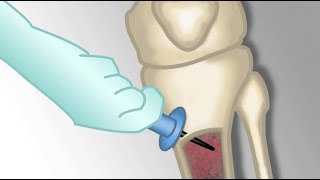
Placement of an Intraosseous Line
Comprehensive guide on intraosseous line placement techniques, including site selection, usage strategies, and complication monitoring for healthcare professionals treating critically ill children.
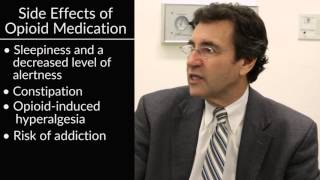
Opioid Clinical Scenario 2
Strategies for treating chronic abdominal pain in adolescents, covering causes, pain management, sleep, stress, depression, and activity levels.
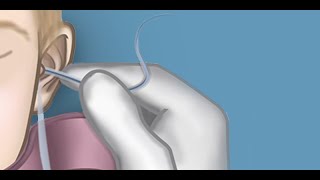
Brain Death Examination
Comprehensive guide to brain death examination, covering criteria, reflexes, and apnea testing. Equips healthcare providers with essential knowledge for accurate determination of brain death in pediatric patients.
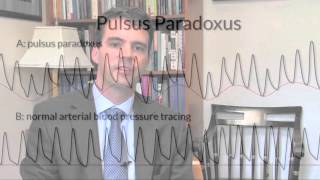
Asthma by Gerhard Wolf, MD for OPENPediatrics
Comprehensive overview of ICU management for asthma patients, covering pathophysiology, medications, intubation, ventilation, inhaled gases, and sedation techniques for healthcare professionals.
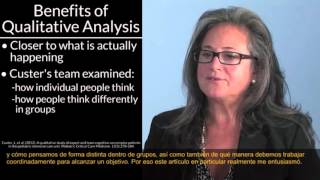
Advancing Pediatric Nursing Through Research with Martha Curley
Explore advancements in pediatric nursing research with Martha Curley, covering key papers from 2013 across various dimensions of nursing practice, from physiological management to ethical leadership.
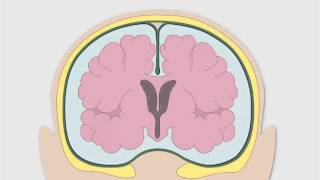
Hyponatremia in the Critically Ill Child
Explore pathophysiology, diagnosis, and treatment of hyponatremia in critically ill children through expert insights and clinical case studies. Learn to manage this common electrolyte disorder effectively.

The Innate Immunity and the Complement System
Explore innate immunity and complement pathways, covering key components like plasma, WBCs, and natural killer cells. Learn about classical, alternative, and mannose-binding lectin pathways.
Lymphatic Organs - Primary vs Secondary
Comprehensive overview of lymphatic organs, distinguishing primary and secondary types. Covers key components like lymph nodes, tonsils, and spleen, ideal for medical students preparing for exams.
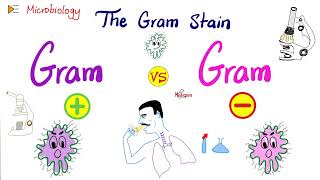
The Gram Stain - Gram-Positive vs Gram-Negative and Bacterial Structure - Microbiology
Explore bacterial structure, Gram staining techniques, and differences between Gram-positive and Gram-negative organisms in this comprehensive microbiology overview.

Plasma and Blood Cells - RBCs, WBCs, and Platelets
Comprehensive overview of blood components, focusing on plasma, red and white blood cells, and platelets. Ideal for medical students preparing for exams or healthcare professionals seeking a refresher.
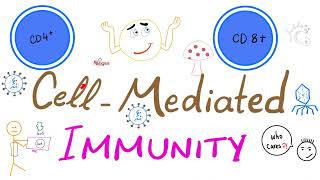
Cell-Mediated Immunity - Physiology Lectures
Explore T-cell immunity's role in destroying cancer, virus-infected, and fungal cells. Learn about T-lymphocyte activation and its impact on various diseases and medical procedures.
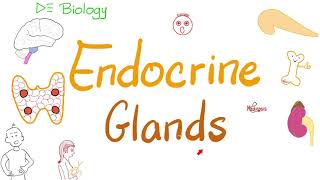
Endocrine Glands - Biology Series
Comprehensive overview of major endocrine glands, their functions, and hormones, essential for understanding body regulation and preparing for medical exams.

Erythropoiesis, EPO, Iron, Vitamin B12 and Folate - Physiology Series
Comprehensive overview of red blood cell production, focusing on key factors like erythropoietin, iron, vitamin B12, and folate. Covers related disorders and their physiological impacts.
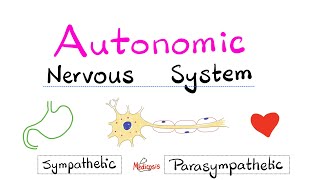
Autonomic Nervous System - Sympathetic vs Parasympathetic - Biology Lectures
Comprehensive exploration of the autonomic nervous system, comparing sympathetic and parasympathetic functions and their effects on various body systems.

Titration of Amino Acids - pH, pKa1 and pKa2 - Amino Acids
Explore amino acid titration, pH, pKa1, and pKa2 concepts. Learn about glycine, glutamic acid, and lysine titration curves, enhancing understanding of amino acid properties and behavior.
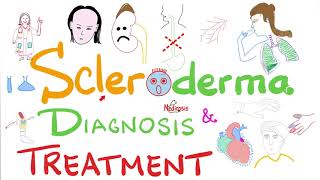
Scleroderma Diagnosis and Management
Comprehensive overview of scleroderma diagnosis and management, covering clinical features, tests, differential diagnosis, and treatment options for this complex autoimmune disorder.
Cell Migration, Cell Death - Apoptosis vs Necrosis, Regeneration, Senescence and Aging
Explore cell biology essentials: migration, death mechanisms, regeneration, and aging processes. Gain insights into cellular functions crucial for medical exams and understanding human physiology.
Snow in Medicine
Explore differential diagnosis of fever and rash on palms and soles, with insights on congenital heart disease, tetralogy, clubbing, and pulmonary venous return.
Acetylcholine vs Nor-Epinephrine
Explore the differences between acetylcholine and norepinephrine in neurotransmission, focusing on cholinergic and adrenergic fibers in the autonomic nervous system.