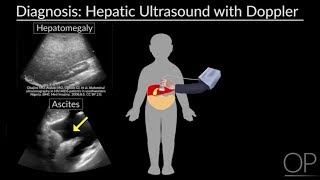
Veno-Occlusive Disease by Steven Margossian for OPENPediatrics
Comprehensive overview of veno-occlusive disease post-stem cell transplant, covering pathophysiology, diagnosis, prevention, and management strategies for healthcare professionals.
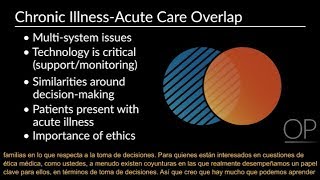
The Role of Critical Care for Children with Special Healthcare Needs
Explore best practices for managing children with chronic critical illnesses in ICUs, including patient populations, current research, and strategies for healthcare providers.

Feeding the Critically Ill Child
Comprehensive overview of nutrition for critically ill pediatric patients, covering assessment methods, challenges, and strategies to optimize nutrient delivery in intensive care settings.
Rotations Survival Guide - What to Buy, Bring, Dos, Don'ts
Comprehensive guide for PA/NP students preparing for clinical rotations, covering essentials, professional conduct, and practical tips to excel and make a positive impression.
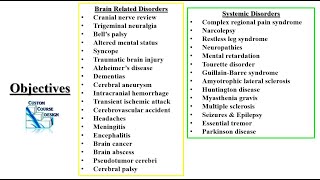
Neurology Review for PA and NP Didactic, PANCE, PANRE
Comprehensive neurology review for PA/NP students and practitioners, covering key topics from cranial nerves to headaches. Includes practice tests and emphasizes high-yield concepts for board exams.
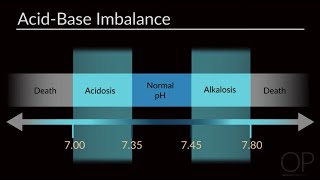
Interpreting Arterial Blood Gases - ABGs
Comprehensive guide to interpreting arterial blood gases, covering normal ranges, acid-base imbalances, and case studies. Ideal for healthcare professionals seeking to enhance diagnostic skills in critical care settings.

Biomarkers and Enrichment for Sepsis Trials
Explore biomarkers and enrichment strategies for sepsis trials, focusing on the PERSEVERE risk model and its application in clinical research and patient stratification.
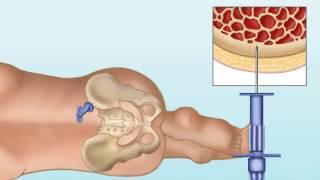
Graft-Versus-Host Disease
Comprehensive overview of graft-versus-host disease, covering pathophysiology, risk factors, clinical features, grading, prevention, and treatment strategies for healthcare providers caring for critically ill children.

Current Status of Pediatric Emergency and Intensive Care in China - Bo Sun for OPENPediatrics
Explore China's pediatric emergency and intensive care landscape, including development goals, critical care services, impact of major events, sepsis studies, and ongoing clinical research.

TBI and Nursing Critical Care Research
Explore European research on traumatic brain injury in pediatric critical care, focusing on nursing practices, intracranial pressure management, and ethical considerations in end-of-life care.

Postoperative Evidence Based Analgesia - Fact or Fiction?
Explores morphine's role in pediatric post-operative pain management, discussing research, pharmacodynamics, and clinical trials to evaluate efficacy and optimal dosing strategies.

Improving Safety in the PICU
Explore innovative safety practices in pediatric intensive care, including standardized processes, dashboards, family involvement, and early warning systems for improved patient outcomes.

Neurobiology of Pain
Explore pain mechanisms, transmission, and chronic treatment approaches. Learn about clinical syndromes, pain pathways, and innovative concepts like central sensitization and disinhibition.

Talking with Patients and Families After Medical Errors with Robert Truog, MD
Expert panel discusses principles for disclosure and apology after medical errors, exploring three cases to guide healthcare professionals in handling adverse events and maintaining trust with patients and families.
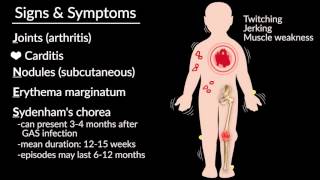
Acute Rheumatic Fever - Emmanuel Rusingiza, MD - OPENPediatrics
Comprehensive overview of Acute Rheumatic Fever: epidemiology, causes, diagnosis, treatment, and prevention strategies. Ideal for healthcare professionals seeking in-depth knowledge on this critical pediatric condition.

Multifactorial Inheritance
Explore multifactorial inheritance, including evidence, models, and genetics of common disorders. Learn about familial clustering, heritability, and genome-wide associations in complex traits.

Mechanical Ventilation of the Child - Part 2 with Dr. Peter Rimensberger
Exploración avanzada de la ventilación mecánica pediátrica, enfocada en PEEP, reclutamiento pulmonar y mecánica respiratoria, con el experto Dr. Rimensberger.
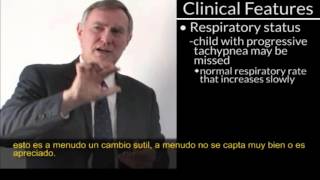
Identifying and Managing Low Cardiac Output - With Dr. Peter Laussen
Dr. Laussen discusses identifying and managing low cardiac output in critically ill children, covering clinical features, monitoring techniques, and various treatment options to enhance cardiac output.
HFOV in Pediatric Patients - Where Are We? with Dr. John Arnold
Dr. John Arnold explores high frequency oscillatory ventilation in pediatrics, discussing recent trials, clinical applications, and best practices for this advanced respiratory support technique.
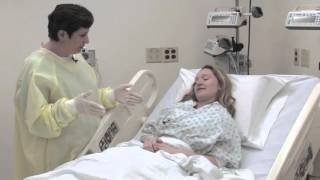
Pain and Sedation Assessment and Management
Learn effective techniques for assessing and managing pain and sedation in pediatric patients, covering both pharmacological and non-pharmacological approaches, assessment tools, and withdrawal considerations.
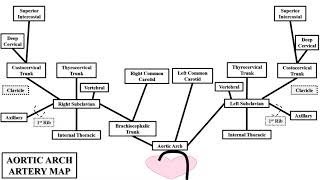
Head, Neck, Brain Anatomy Review
Comprehensive review of head, neck, and brain anatomy for healthcare professionals, featuring visual aids, clinical correlations, and practical exam techniques.