Maximising the Accuracy of Hydraulic Models
Explore factors influencing hydraulic model accuracy, from input data to computational solvers. Learn to maximize model reliability and confidence, especially when calibration data is unavailable.
Coastal Modelling 101 - Oceans, Coasts and Estuaries
Explore coastal modelling techniques for oceans, coasts, and estuaries. Learn about tides, climate impacts, wave modeling, and practical applications in coastal engineering.
Considering Fish Passage in Hydraulic Designs
Explore approaches for fish passage in hydraulic designs, including species-specific criteria and 1D, 2D, and 3D modeling techniques. Expert panel discusses regulatory issues, case studies, and practical applications.
Hydraulic Model Calibration to Historical Events
Learn to develop accurate flood models through expert guidance on hydraulic model calibration, verification data, quality control, and performance testing. Gain practical insights from real-world case studies.
Australian Rainfall Runoff Essentials
Comprehensive overview of Australian Rainfall and Runoff guidelines, covering flood risk assessment, climate change impacts, and new approaches in hydrology for infrastructure and community planning.
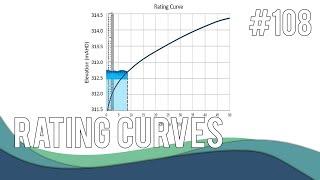
Developing Rating Curves from Measurements and Models
Learn techniques to improve accuracy and reliability of river flow data using rating curves. Explore field data collection, modeling methods, and practical examples for refining stage-discharge relationships.
Is Rain-on-Grid - Or Direct Rainfall - Modelling Accurate?
Explore direct rainfall modeling accuracy through benchmarking and calibration. Learn about TUFLOW's 2020 release improvements and its viability for simulating rainfall-runoff processes in various environments.
HEC-RAS 6.0, What You Need to Know - Part Two
Explore new sediment-related features in HEC-RAS 6.0, including mud and debris modeling, 2D and 1D sediment transport, with expert insights from USACE Hydrologic Engineering Center specialists.
Sediment Transport and Morphological Modelling - 2D and 3D
Explore 2D and 3D sediment transport modelling techniques, challenges, and applications in rivers, estuaries, and coasts. Learn about TUFLOW's sediment transport module and its capabilities for various environments.
SWMM Model Management in ICM
Discover how InfoWorks ICM enhances SWMM modeling with database tracking, SQL benefits, and efficient simulation management, saving time and reducing data loss for storm, sewer, and flood modeling professionals.
Introduction to LID Design as Stormwater Controls
Explore sustainable stormwater infrastructure design, including LID/BMP/GI/SUDS. Learn about various control options, sizing criteria, and practical applications for effective water management in development projects.

Celeste.jl - Petascale Computing in Julia
Explore Celeste.jl, a Julia-based project for petascale astronomical image analysis using Bayesian inference, showcasing Julia's power in high-performance computing and data science on supercomputers.
MODFLOW 6 and FloPy
Learn to create and analyze groundwater models using MODFLOW 6 and FloPy in Python. Covers model setup, visualization, water balance, pathlines, and transient simulations.
Panel Event - Drowning in Plastics
Explore plastic pollution's impact on waterways and oceans with experts, discussing innovative solutions and prevention strategies for a cleaner, sustainable future.
Applied Hydrodynamic Modelling
Explore hydrodynamic modeling applications in environmental planning and structural design through case studies of the Coorong estuary and Brisbane River, highlighting unique approaches and key lessons learned.
Megadrought - The New Normal?
Explore megadrought impacts, water conservation methods, and potential solutions using the Colorado River Basin as a case study. Learn about greywater recycling and other effective water-saving techniques.
Something's Fishy
Explore fish passage hydraulics for Australian species, covering design considerations, innovative upgrades, and modern modeling techniques to promote effective fish migration in waterways.
Applied Hydrodynamic Modelling - Part 1
Explore two case studies on hydrodynamic modeling: water quality in Abu Dhabi and suspended sediment in Gladstone Port. Learn about novel applications, lessons learned, and key aspects for successful project execution.
Fitting the Curve
Explore flood frequency analysis techniques, curve fitting approaches, and software tools for managing uncertainty in rainfall and runoff estimates. Learn to interpret results and consider climate change impacts.
Groundwater Modelling in Python
Learn to develop powerful analytical groundwater models using Python, covering recharge between rivers, riverbank storage, well pumping, and aquifer test analysis with practical examples.
Theory vs Practice - The Challenges of Flood Risk Management
Explore best practices in flood risk management, balancing theory and practical constraints. Learn to develop fit-for-purpose methodologies for effective floodplain management and informed decision-making.