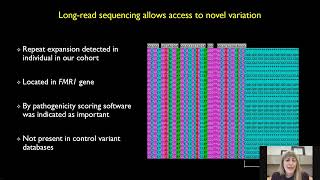
Application of Long-read Sequencing in Human Genetics
Explore long-read sequencing's revolutionary impact on human genetics, enabling rapid genome assembly and comprehensive variation detection for enhanced disease understanding.
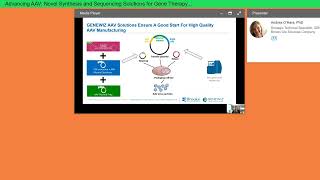
Advancing AAV: Novel Synthesis and Sequencing Solutions for Gene Therapy Research
Explore innovative gene therapy solutions, focusing on AAV plasmid DNA sequencing and synthesis for rAAV production, including ITR region management in clinical development.
Walk Away from Laborious NGS Library Prep - Introducing AVENIO Edge System
Discover automated NGS library prep solutions to streamline workflows, reduce labor, and overcome adoption challenges. Learn about the AVENIO Edge System for efficient genomic research.
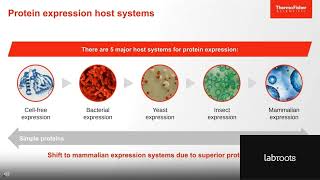
Concept-to-Commercialization: Thermo Fisher's Unique Approach to Rapidly Advancing Antibody and Protein Therapeutics
Discover Thermo Fisher's innovative approach to accelerate antibody and protein therapeutics development, from gene optimization to first-in-human trials, through an integrated workflow.
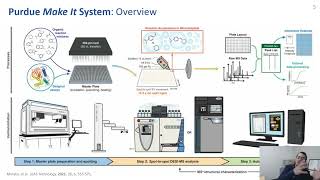
High-throughput Desorption Electrospray Ionization Mass Spectrometry for Reaction Screening, Nano-scale Synthesis and Bioanalysis
Explore high-throughput DESI-MS for drug discovery, including reaction screening, nano-scale synthesis, and bioanalysis. Learn innovative techniques for faster compound library synthesis and bioactivity assessment.
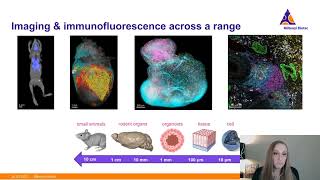
Automation in Miltenyi Biotec Imaging Workflows - Getting to Results Faster
Explore automation in Miltenyi Biotec imaging workflows to accelerate research discoveries, increase efficiency, and transform data into valuable insights.
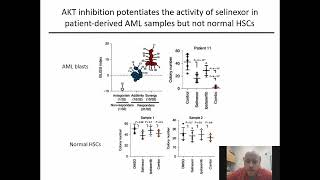
Functional Genomic Interrogation of Tumor Evolution
Explore tumor evolution using genomics and cell signaling. Uncover cancer cell death regulation, survival mechanisms, and drug resistance pathways. Gain insights into potential therapeutic targets.
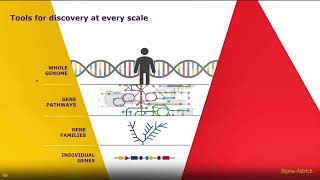
From Bench to Bedside: Targeted Gene Editing
Explore CRISPR/Cas gene editing technology's evolution, applications, and importance in research and clinical settings. Learn about choosing effective CRISPR reagents for successful gene editing experiments.
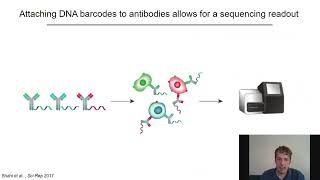
Cell Pathology Revealed by Single-Cell Genotype-Phenotype Mapping
Explore single-cell genotype-phenotype mapping to uncover cancer mutation effects and HIV latency mechanisms. Gain insights into tumor heterogeneity and disease progression using advanced genomic methods.
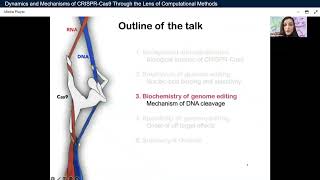
Dynamics and Mechanisms of CRISPR-Cas9 Through the Lens of Computational Methods
Explore computational methods revealing CRISPR-Cas9 dynamics and mechanisms, from RNA binding to large-scale conformational changes, enhancing understanding of this revolutionary genome-editing tool.
Cell Validation and Drug-Induced Liver Injury Using a Human Liver Microphysiological System
Explore predictive human liver models for drug development using microphysiological systems. Learn about cell validation and drug-induced liver injury assessment to improve preclinical testing accuracy.
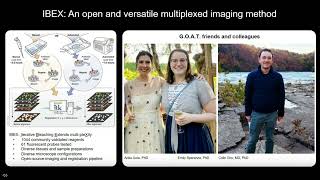
Accelerating Discovery Together - Community Resources for Multiplexed Imaging of Diverse Tissues
Explore IBEX, a cost-effective multiplexed imaging method for tissue analysis. Learn about community initiatives, organ mapping antibody panels, and guidelines for successful application across diverse scientific questions.
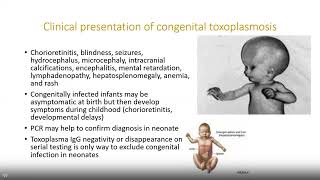
Role of Serology for Congenital Infections and Vaccine-Preventable Diseases in Prenatal Settings
Explore serology's role in preventing prenatal infections, identifying maternal immune status, and guiding vaccinations. Learn how testing aids in diagnostic workups and behavior modifications for pregnant women.
Combining RNAscope Technology with Protein Detection - A Multi-Omics Approach Using RNA-Protein Integrated Co-Detection Workflow
Explore an Integrated Co-Detection Workflow combining RNAscope ISH with IHC/IF for simultaneous RNA and protein detection. Learn sample preparation, troubleshooting, and guidelines for this powerful multi-omics approach.
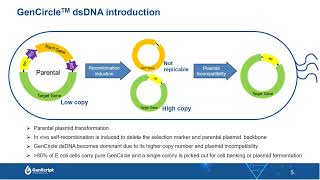
GenCircle: A Scalable Miniature Circular dsDNA Production System for Gene and Cell Therapy
Explore GenCircle™, a novel miniature circular dsDNA system for gene and cell therapy. Learn about its antibiotic-free design, improved efficiency, and applications in T cell engineering and in vivo expression.
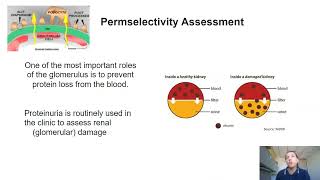
The Glomerulus-On-A-Chip as a Platform for Disease Modeling, Drug Screening, Biomarker Discovery and Mechanistic Studies
Explore the glomerulus-on-a-chip platform for kidney disease modeling, drug screening, and biomarker discovery. Learn about microfluidic systems in renal research and their potential impact.
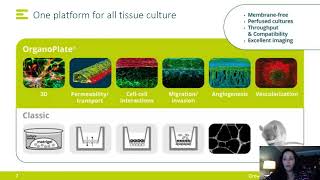
3D Cell Migration Using a Microfluidic Endothelium-on-a-Chip Model
Explore 3D cell migration using microfluidic endothelium-on-a-chip models. Learn about immune cell extravasation, vascular inflammation, and tumor infiltration in advanced in vitro systems.
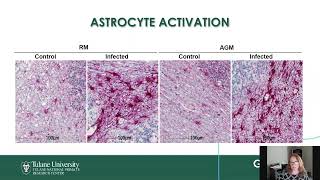
Neuropathology of SARS-CoV-2 Infection in Aged Non-human Primates
Explore SARS-CoV-2's neurological impact through aged non-human primate studies. Gain insights into brain effects, risk factors, and implications for patient care and follow-up treatment.
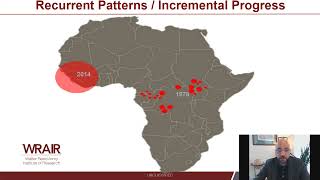
Toward Universal Coronavirus Vaccines: From Concept to Clinic
Explore the development of a broadly protective coronavirus vaccine, from design to clinical trials. Learn about SpFN's potential to combat multiple sarbecovirus lineages and future pandemic threats.

Scattering Microscopy: Label-Free Imaging Approaches for Life Sciences Research
Explore label-free scattering microscopy techniques for imaging weak particle signals with nanoscale resolution. Learn about darkfield, iSCAT, COBRI, and Mass Photometry from experts in the field.
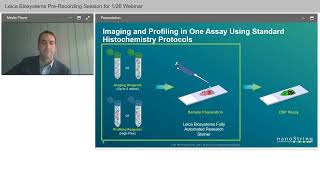
Fully Automated Workflows for High-Plex Multi-omic Profiling with GeoMx Digital Spatial Profiler
Explore automated workflows for high-plex multi-omic profiling using GeoMx® Digital Spatial Profiler and BOND RX/RXm Research Stainer, enhancing throughput and reproducibility in translational research.