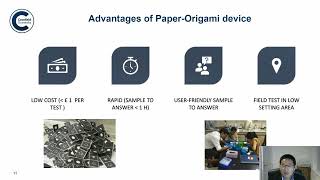
CRISPR/Cas-Enabled Paper Microfluidics Device for Rapid Diagnosis
Explore CRISPR/Cas-enabled paper microfluidics for rapid pathogen detection, including SARS-CoV-2 diagnosis and wastewater surveillance. Learn about low-cost, deployable biosensors for public health applications.
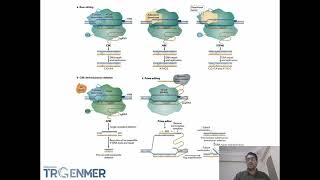
CRISPR Base Editor and Prime Editor Toolbox and Applications
Explore CRISPR base and prime editing technologies, their applications, and potential for treating genetic disorders without harmful double-strand breaks. Learn from expert Dr. Cihan Tastan in this cutting-edge webinar.
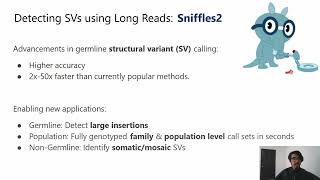
Comprehensive Structural Variant Detection: From Mosaic to Population Level
Explore advanced structural variant detection using Sniffles2, a powerful tool for identifying complex genomic alterations with increased accuracy, speed, and functionality in long-read sequencing data.
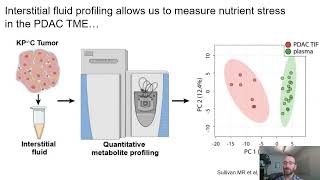
Metabolic Barriers to Tumor Immunity in Pancreatic Cancer
Explore metabolic barriers to tumor immunity in pancreatic cancer, focusing on nutrient stress impact and potential strategies to enhance immunotherapy effectiveness.
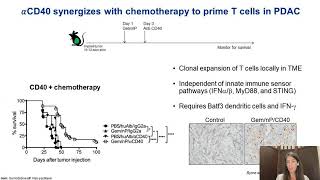
Generating T Cell Responses in the Immunosuppressive Tumor Microenvironment
Explore T cell response generation in immunosuppressive tumor environments, focusing on overcoming challenges in pancreatic cancer and enhancing dendritic cell function for effective immunotherapy.
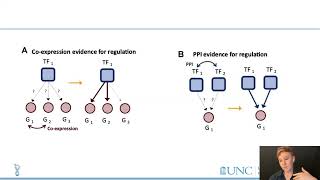
Gene Regulatory Networks and Individual-Specific Regulatory Disruptions
Explore gene regulatory networks and individual-specific disruptions, focusing on disease-associated genetic variants and their impact on transcription factor binding and gene expression.
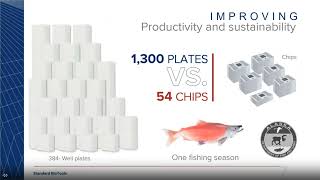
High-Throughput qPCR Microfluidics Technology with Singleplex Accuracy for Plant and Animal Genomics
Explore high-throughput qPCR microfluidics technology for plant and animal genomics, offering singleplex accuracy, massive parallelization, and efficient screening of multiple pathogens or SNPs.
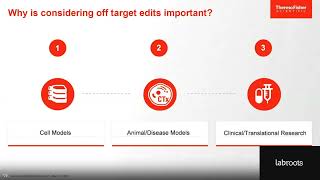
Considerations to Limit Off-Target Edits in Gene Editing Experiments
Explore strategies to minimize off-target edits in gene editing experiments. Learn best practices, considerations for different scenarios, and optimized workflows to enhance precision in genome manipulation.
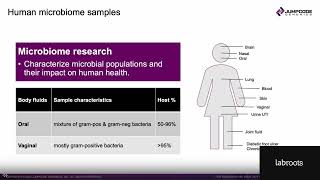
Boost Microbial Detection Sensitivity with Unbiased Human Host DNA and RNA Depletion
Enhance microbial detection in human microbiome samples through unbiased host DNA/RNA depletion. Learn about CRISPRclean technology for improved taxonomic resolution and increased microbial genome coverage.
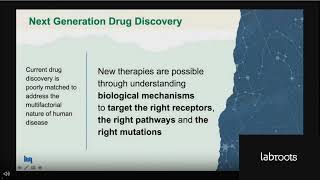
Enabling High-throughput Biology with New Technologies for Synthetic Construct Sequencing
Explore new methods and technologies accelerating sequence-based screening of plasmids for discovery, research, and biotechnology. Learn about ExpressPlex technology and its integration with rolling-circle amplification in OCTOPUS v3.0.
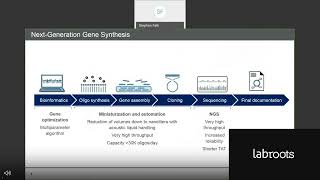
Complete Workflow Solution from Gene-to-Protein
Explore a comprehensive gene-to-protein workflow solution for reliable recombinant protein expression in eukaryotic cells, optimizing yields for structural and functional analyses in biomedical research and drug development.
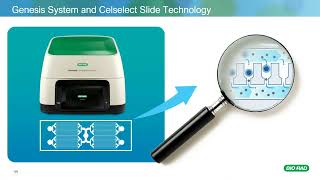
Maximizing Metastasis Insights: Using a Novel Integrated Workflow for Efficient CTC Analysis
Explore a novel integrated workflow for efficient CTC enrichment, enumeration, and identification in metastasis research. Learn about unbiased size selection and compatibility with various molecular and cellular applications.
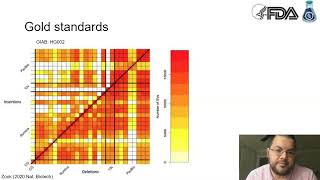
A Structural Variation Map of 499 Han Chinese Individuals Using Long-Read Sequencing Data
Explore a comprehensive structural variation map of Han Chinese genomes using long-read sequencing, uncovering genetic insights and implications for human evolution and disease.
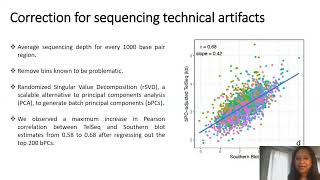
Sequencing the Genome: From Genotype to Phenotype and Extras in Between
Explore genome sequencing, from genotype to phenotype, with a focus on telomere length and its implications for aging, disease, and health disparities in minority populations.
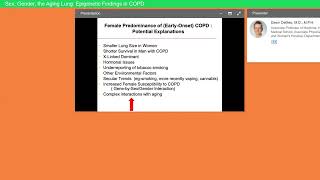
Sex, Gender, the Aging Lung - Epigenetic Findings in COPD
Explore sex and gender differences in COPD, focusing on epigenetic findings related to disease susceptibility, severity, and aging. Gain insights from a respiratory epidemiologist on this leading cause of death.
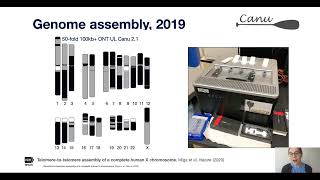
Telomere-to-Telomere Chromosome Assemblies: New Insights Into Genome Biology and Structure
Explore complete human genome assemblies, unlocking insights into complex regions and revolutionizing genetics. Gain new perspectives on genome biology and structure through telomere-to-telomere chromosome analysis.

The Structure, Function, and Evolution of Human Chromosome 8
Explore the groundbreaking assembly of human chromosome 8, unraveling its structure, function, and evolutionary history. Gain insights into centromere evolution and the resolution of long-standing genomic gaps.
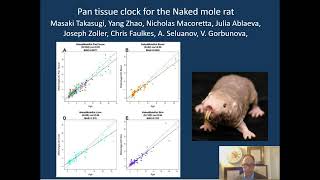
Epigenetic Aging Studies in Mammals - Universal DNA Methylation Clocks and Lifespan
Explore epigenetic clocks in mammals, their accuracy across species, and implications for aging research. Gain insights into DNA methylation's role in biological aging and lifespan.
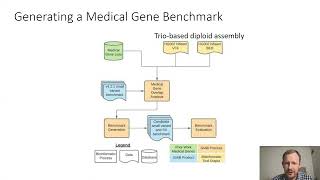
Towards a Comprehensive Variation Benchmark for Medically-Relevant Autosomal Genes
Explore advancements in genomic benchmarking for medically-relevant autosomal genes. Learn about GIAB consortium's efforts to improve variant calling in challenging genomic regions.
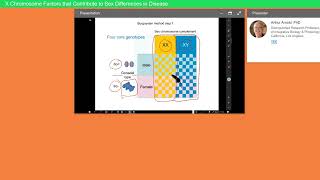
X Chromosome Factors that Contribute to Sex Differences in Disease
Explore mechanisms behind sex differences in disease, focusing on X chromosome factors. Discover non-hormonal origins of sex bias and their impact on disease progression and treatment approaches.
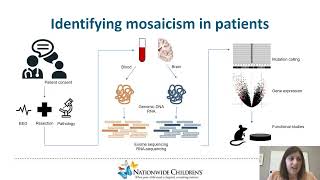
Deciphering Brain Mosaicism with Long-read Sequencing
Explore how somatic mutations in brain development contribute to neurodevelopmental disorders using integrated single-cell and long-read RNA sequencing techniques.