Hope in an Age of Megafire
Explore AI-driven solutions for managing megafires, leveraging indigenous knowledge and predictive modeling to protect forests and build resilience against climate change impacts.
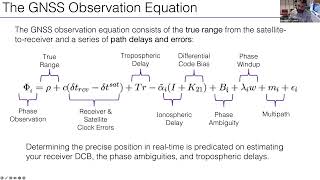
GNSS Velocities for Seismic Network Applications
Learn to utilize GNSS velocities for seismic network applications, enhancing your understanding of geodetic data in earthquake monitoring and tectonic studies.
Buckle Your Seatbelts - There's More to Aviation Safety Than You Think
Explore the hidden aspects of aviation safety beyond technology, focusing on human factors and the dedicated individuals ensuring passenger safety in air travel.
Landslides in Kerala - Geological Factors and Preventative Measures
Exploring geological factors behind Kerala's landslides, preventative measures, and sustainable land-use practices to reduce vulnerability in affected regions.
Preventing Sports Injuries
Learn strategies to prevent sports injuries, including proper training techniques, equipment use, and risk assessment, from a physical therapy and sports conditioning expert.
Pre-Sport Participation Assessment: Red Flags, Predicting Poor Outcomes and Tips for Success
Learn to identify red flags, predict poor outcomes, and implement successful strategies for pre-sport participation assessments from a sports medicine expert.
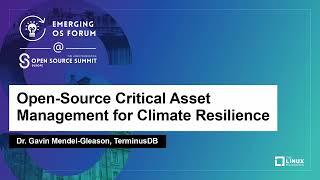
Open-Source Critical Asset Management for Climate Resilience
Explore open-source critical asset management for climate resilience, focusing on the development of CAMS for Dominica's disaster preparation and risk mitigation using knowledge graph technology.
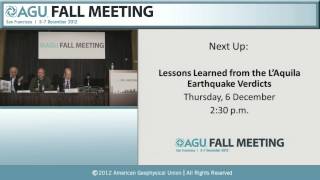
Lessons Learned from the L'Aquila Earthquake - Fall Meeting 2012 Press Conference
Experts discuss responsibilities and challenges for scientists in communicating earthquake risks, prompted by the L'Aquila earthquake case. Explores implications for natural hazard assessment and public safety.
Decreasing the Economic Toll of Disasters - Science Policy Conference 2012
Experts discuss strategies to mitigate the rising economic impact of natural disasters, emphasizing risk understanding, data analysis, and protective measures for people and property.
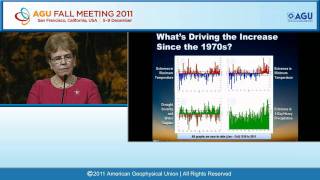
Predicting and Managing Extreme Weather and Climate Events - Fall 2011
Explore extreme weather prediction and management with NOAA's Jane Lubchenco. Learn about challenges in forecasting, monitoring, and mitigating impacts of various environmental events to enhance community resilience.
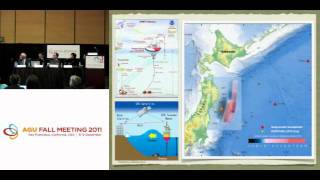
The 11 March 2011 Japan Tsunami - Scientific Assessments and Implications - Press Conference 1
Scientists discuss tsunami forecasting, eyewitness video analysis, and risk awareness implications following the 2011 Japan tsunami. Experts explore lessons for future preparedness and Pacific Northwest seismic risks.
Predicting and Managing Extreme Weather and Climate Events
Explore strategies for predicting and managing extreme weather and climate events with insights from Dr. Jane Lubchenco's lecture at the AGU Fall Meeting 2011.
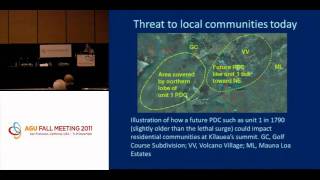
New Views of the Explosive Past of Kilauea Volcano - 2011 AGU Fall Meeting
Newly discovered evidence sheds light on Kilauea's explosive history, including the deadly 1790 eruption, providing crucial insights for assessing future catastrophic events at this frequently visited volcano.
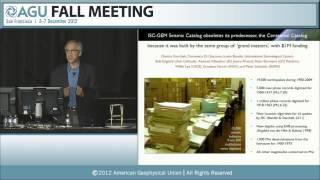
Defeating Earthquakes - Global Earthquake Model and Risk Mitigation
Exploring earthquake risk awareness, global impact, and mitigation strategies through the Global Earthquake Model initiative to reduce casualties and improve urban resilience worldwide.
Society's Growing Vulnerability to Natural Hazards and Implications for Geophysics Research
Explore natural hazards' impact on society, geophysics research implications, and strategies for addressing vulnerabilities through case studies and scientific advancements.
What Locksport Can Teach Us About Security - Notacon 9
Explore locksport's insights on security, risk acceptance, and creative problem-solving. Learn how this hobby challenges perceptions and fosters innovative thinking about protection.
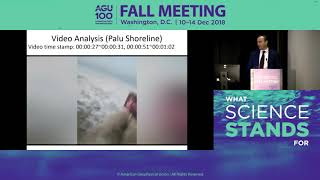
The Mysterious Tsunami that Destroyed Palu, Indonesia - New Findings
Scientists present new findings on the unexpected and devastating tsunami in Palu, Indonesia, following a 2018 earthquake. Insights from fieldwork, modeling, and investigations shed light on the tsunami's unusual generation and impact.
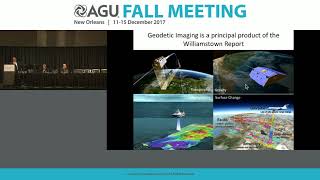
Gilbert F. White Distinguished Lecture Award - Geophysical Risk and Sustainability
Explore geophysical risk and sustainability with John L LaBrecque's distinguished lecture, offering insights into critical environmental challenges and potential solutions.
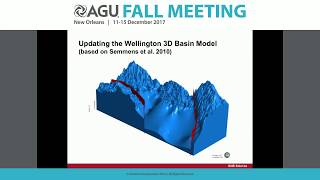
Earthquake Hazards in Areas Affected by Complex Site Response - 2017 Fall Meeting
Explore complex site response in earthquake hazards, focusing on understanding site behavior and thick sediments' role. Experts discuss challenges and latest research in seismic risk assessment.
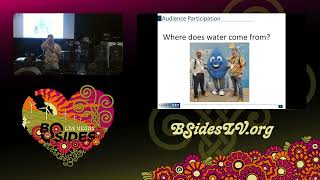
Water Security Challenges: Impacts on Critical Infrastructure
Explores security challenges in water systems and their impact on critical infrastructure sectors, highlighting vulnerabilities and interconnections in the US water supply network.
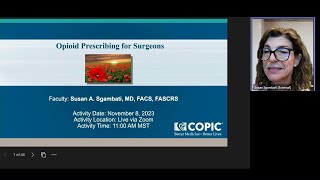
Opioid Prescribing for Surgeons - November 8, 2023
Explore evidence-based strategies for safe and effective opioid prescribing in surgical settings, focusing on patient safety and risk management.