Carbon Capture and Storage: Principles, Processes, and Global Developments
Explore carbon capture technology, its importance, processes, risks, and global developments in this comprehensive lecture by Stanford professor Lynn Orr.

Predicting and Adapting to Increased Hurricane Risk
Explore the latest research on tropical cyclones, their increasing destructiveness, and strategies for mitigating risks associated with these powerful natural phenomena.
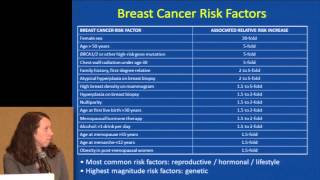
Breast Cancer Genetics, Risk, and Screening
Explore breast cancer risk factors, screening methods, and genetic considerations with Stanford experts. Learn about breast density, imaging technologies, and the latest recommendations for early detection and prevention.
Black Women and Genetic Risk of Breast Cancer
Explore genetic risk factors, genomics, and racial disparities in breast cancer for Black women. Learn about family history, genetic testing, and self-advocacy in screening and treatment.
Statin-Associated Type 2 Diabetes - Who Gets It, Why, and Risk Assessment
Explore the link between statins and Type 2 diabetes, including risk factors, identification methods, and the overall benefits versus risks of statin treatment.
Forecasting Disruption: Assessing Technological Risks and Opportunities
Explore forecasting techniques to assess technological disruptions' impact on business models, with insights on evaluating risks and opportunities to inform strategic decisions.

Project Risk Analysis Live Information Session
Explore project risk analysis using interactive simulations and stochastic libraries. Learn cutting-edge methods applicable across industries, balancing theory with practical tools for effective risk assessment and management.

Nutrition Related Supplements - The Good, The Bad, and The Unknown
Explore popular dietary supplements with Stanford dietitians, covering safety, risks, and benefits of vitamin D, calcium, fish oils, and more for informed health decisions.
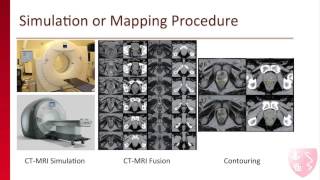
Radiation Therapy Treatment for Prostate Cancer Explained by a Stanford Radiation Oncologist
Comprehensive overview of radiation therapy for prostate cancer, covering treatment options, side effects, and monitoring. Emphasizes shared decision-making and provides detailed explanations of various radiation techniques.

Institutions and Incentives in Mortgages and Mortgage-Backed Securities
Exploración histórica y análisis de crisis financieras, enfocándose en el mercado hipotecario. Se examinan datos recientes y se evalúan las causas de la crisis económica actual.

Past and Future of Nuclear Power - Lecture 22
Explores nuclear energy's global impact, risks, and challenges, including waste storage, proliferation, and disasters like Chernobyl, while comparing it to coal-fired plants' risks.

Evolution of Pesticide Regulation in the United States - Lecture 9
Explore the evolution of pesticide regulation in the US, from early food laws to modern risk assessment, reflecting changes in scientific understanding and societal values over time.

The Mutual Fund Theorem and Covariance Pricing Theorems - Financial Theory
Explore key financial theories: Mutual Fund Theorem and Covariance Pricing. Learn about optimal portfolios, diversification, Sharpe ratio, and how asset prices depend on market covariance rather than individual variance.
Water Security Series - Contaminants of Emerging Concern
Explore emerging water contaminants, their impacts, and innovative solutions for water security. Learn about chemical risks, compliance issues, and strategies for safer water management.
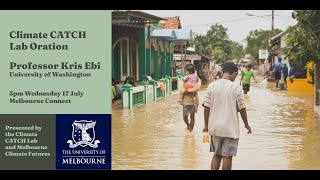
Climate Change and Health Risks - Planning for Future Generations
Renowned epidemiologist Prof. Kris Ebi discusses intersectoral policies for managing future health risks of climate change, focusing on protecting Australia's most vulnerable populations.
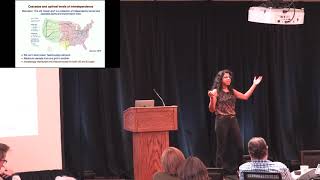
Raissa D'Souza - The Collapse of Networks
Explore emergent properties, control theory, and collapse dynamics in complex networks, focusing on renewable energy integration, risk assessment, and social hierarchies.
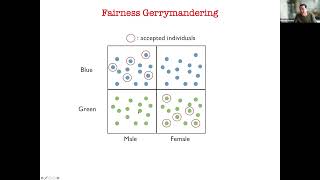
Can Algorithms Bend the Arc Toward Justice?
Explore algorithmic fairness, intersectionality, and the challenges of balancing accuracy with equity in machine learning and public safety applications.
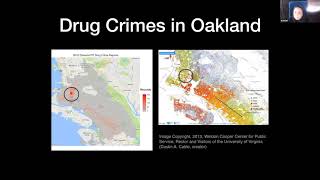
Fairness, Accountability, and Transparency in Predictive Models for Criminal Justice
Explore fairness, accountability, and transparency in predictive modeling for criminal justice, with examples highlighting their importance in real-world applications.
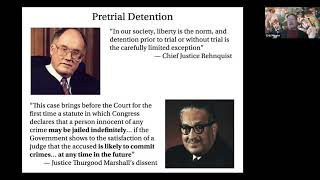
Transparency in Algorithms for Risk Assessment, Housing, and Pretrial Detention
Explore the impact of algorithms on risk assessment, housing, and pretrial detention, focusing on transparency issues and their societal implications.

Epistemic Uncertainty - The AI Problem Understanding Gap and Structured Societal Context Knowledge
Exploring the AI Problem Understanding Gap and the need for structured societal context knowledge to develop safe, robust AI systems in high-stakes domains like healthcare.
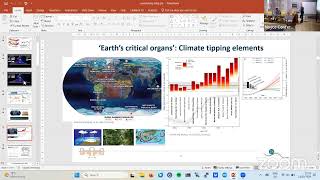
Overshooting Climate Targets - Increased Risks for Tipping Elements in Climate and Biosphere
Explore the risks of exceeding climate targets and their impact on tipping elements in Earth's systems, with insights on potential consequences for our planet's future.