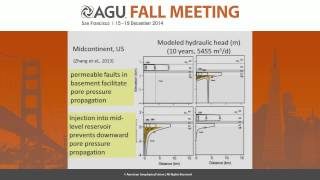
Connecting Wastewater Injection and Seismicity through Pore Pressure - AGU Lecture
Explore the link between wastewater injection and seismic activity through pore pressure analysis, covering key factors, physics, and modeling techniques.
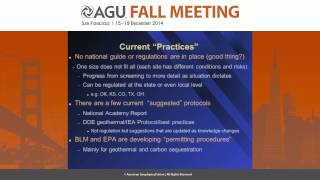
Latest Methods in Best Practices and Mitigation Efforts for Induced Seismicity
Explore cutting-edge techniques for managing and mitigating induced seismicity, focusing on best practices and innovative strategies to minimize earthquake risks associated with human activities.
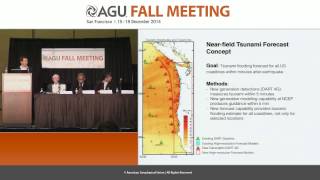
Advances in Tsunami Warning and Forecasting
Explore cutting-edge developments in tsunami prediction and alert systems, enhancing public safety and disaster preparedness through improved forecasting technologies.
The 2014 South Napa Earthquake - Analysis and Impacts
Experts analyze the 2014 South Napa Earthquake, discussing its impact, geological implications, and lessons learned for future seismic preparedness and response strategies.
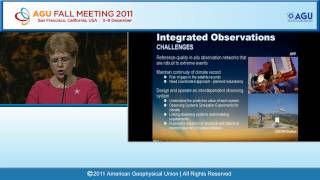
Predicting and Managing Extreme Events
Explore strategies for forecasting and mitigating extreme events with insights from Jane Lubchenco. Learn cutting-edge approaches to enhance resilience and preparedness in the face of environmental challenges.

Higher Ed Climate Action: Addressing Climate Risks and Student Well-being - Session 4
Exploring climate change impacts on higher education: extreme weather risks, student well-being, and institutional resilience strategies for effective anticipation, mitigation, and adaptation.
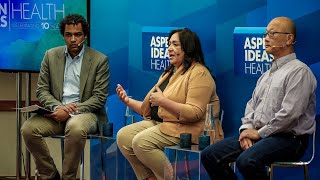
Incorporating Equity into Climate Change Strategies
Explore strategies to address climate change impacts on vulnerable populations, focusing on health equity, structural racism, and community engagement to minimize disproportionate effects.
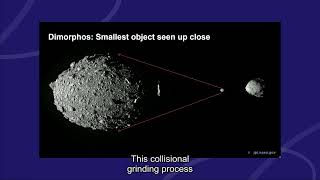
Defending Earth from Asteroids
Learn about asteroid detection, impact risks, and planetary defense strategies to protect Earth from potential cosmic threats.
Climate Change and International Security - Part 2
Explore the intersection of climate change and global security with expert Tegan Blaine, examining potential impacts and strategies for addressing this critical issue.
Climate Change and Wildfire Risk: Statistical Analysis of Fire Weather in Northern Colorado
Explore statistical analysis of Fire Weather Index data to understand climate's impact on wildfire risk in Colorado, examining factors like heat, humidity, and human activity.
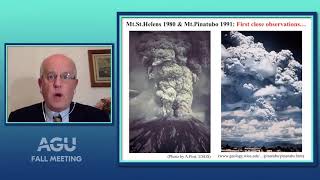
Modeling Explosive Eruption Dynamics and Hazards - Achievements and Future Challenges
Explores advancements in volcanic eruption modeling, highlighting contributions to understanding dynamics and forecasting hazards. Discusses various modeling approaches and their applications in risk assessment.
Fire Safety in Deep Space: Challenges and Preparations for Artemis Missions
Explore fire safety challenges in deep space missions, including NASA's Artemis program, and learn about innovative solutions for preventing and extinguishing fires on spacecraft.
Climate Scenario Research Priorities: High-End vs. Intermediate-Range Debate
Scientists debate which climate scenarios should be prioritized for research and funding, exploring the pros and cons of focusing on high-end vs. intermediate-range projections to guide climate action and sustainability efforts.
Tonga Volcano Eruption - One Year Later: New Research Findings
Experts discuss latest findings on the 2022 Hunga Volcano eruption, including atmospheric effects, generated storms, and future risks, providing insights into this record-breaking underwater explosion.
Gilbert F. White Distinguished Lecture on Natural Hazards and Disaster Risks
Prestigious annual lecture honoring contributions to natural hazards and disaster risk research, emphasizing holistic approaches integrating physical, social, and biological systems.
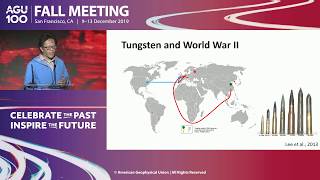
Energy in the Earth - New Approaches to Geologic Hazards and Resource Management
Explore new approaches to geologic hazards, Earth's resources, and sustainability. Learn about earthquake and volcanic risks, fluid dynamics, and energy challenges in this comprehensive session.
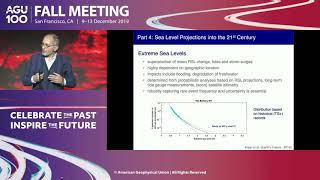
Fluids in the Earth - AGU Fall Meeting 2019
Explore new approaches to geologic hazards, resource management, and Earth's fluids, addressing societal challenges in earthquake and volcanic risks, resource depletion, and sustainable practices.
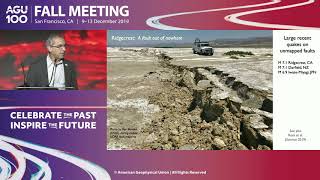
Seismic Hazards - New Approaches and Perspectives
Explore new approaches to geologic hazards, focusing on earthquakes, volcanic eruptions, and resource management. Learn from experts about mitigating risks in our increasingly populated world.
Thirty Years of Climate Change: Lessons and Future Prospects
Explore 30 years of climate change insights, future projections, and the evolving relationship between humans and Earth's climate system. Discuss effective communication, policy challenges, and global energy transitions.
Identifying and Mitigating Climate Change Risks - Panel Discussion
Explore climate change risks, assessment methods, and mitigation strategies across various sectors. Expert panel discusses global warming, emergency management, and economic impacts.
10 Reasons to Choose InfoWorks ICM for Flood Modeling - Part 2
Explore 10 advanced features of InfoWorks ICM for flood modeling, including cloud capabilities, spatial rainfall analysis, and integration with Civil 3D, enhancing water professionals' workflow and decision-making.