VEXing Open Source Security - Vulnerability Data for Everything
Explore the Vulnerability Exchange Format (VEX) standard for improving vulnerability management in open source projects and enterprise software security.
What's in a Name - Vulnerabilities, SBOMs, and the Challenge of Software Identity
Explore software identity challenges in supply chain security, examining existing naming standards, potential risks, and collaborative solutions for effective vulnerability management.
Dynamic Scheduler Over FreeRTOS
Explore dynamic scheduling in FreeRTOS, covering design considerations, implementation components, and state machines. Learn to optimize real-time task management for embedded systems.
Vulntology - A Methodology to Characterize Vulnerabilities with Granular and Intuitive Structure
Explore a methodology for characterizing vulnerabilities with granular, intuitive structure. Learn about vulnerability objects, scenarios, barriers, actions, and impacts in cybersecurity.
Hijacking.gov.uk - Identifying and Communicating Risks to the Digital State
Explore digital security risks in government domains and learn effective strategies for identifying and communicating vulnerabilities to protect critical online infrastructure.
From Log4shell to OpenSSL - Reflections on a Year of Open Source Software Security
Explore the impact of Log4shell on open source software security, progress made, and future challenges. Gain insights into enhancing OSS security and its role in critical infrastructure.
Security Advisory Programs: Creating Transparency in Software Supply Chain
Strategies for implementing transparent security communications programs in software products, addressing customer demands for vulnerability disclosure and open source patching accountability.
Automated Techniques for Measuring Trustworthiness of Open Source Code and Communities
Explore cutting-edge tools and methods for analyzing software security, determining project trustworthiness, and measuring against best practices in open source development.
Managing Audits for Critical Open Source Projects
Learn strategies for managing audits of critical open source projects, focusing on security, quality assurance, and best practices for maintaining project integrity.
Scalable Management of Vulnerabilities in Open Source
Learn strategies for efficiently managing vulnerabilities in open source projects from experts at Google and GitHub, focusing on scalable approaches and best practices.
Addressing Cybersecurity Challenges in Open Source Software
Insights on addressing cybersecurity challenges in open source software, including organizational priorities, improvement strategies, and policy drivers. Live panel discussion of key findings from Snyk and Linux Foundation research.
Introduction to Threat Modeling in the Cloud
Learn essential techniques for identifying and mitigating security risks in cloud environments through threat modeling, with practical insights from the Argo Project Threat Model.
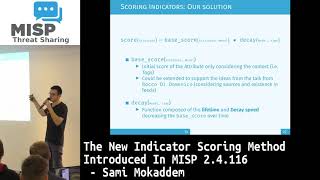
The New Indicator Scoring Method Introduced in MISP 2.4.116
Explore the updated indicator scoring system in MISP 2.4.116, enhancing threat intelligence analysis and improving decision-making for cybersecurity professionals.
Find and Fix Software Security Problems - Preventing Security Mistakes
Explore effective strategies for identifying, fixing, and preventing software security issues. Learn how to prioritize and address vulnerabilities to enhance overall system security.

Navigating the Complexity Across the Peace-Sustainability-Climate Security Nexus
Explore the interconnections between peace, sustainability, and climate security with Prof. Amadei. Gain insights into complex global issues and learn systems-based approaches for addressing them.
Security Analysis of Industrial Serial Device Servers
Explore security vulnerabilities in industrial serial device servers and learn effective analysis techniques for identifying and mitigating potential threats.
Untrusted Execution - Attacking the Cloud Native Supply Chain
Explore cloud native supply chain vulnerabilities, threat modeling, and security controls. Learn about trusted execution environments and end-to-end security solutions for protecting complex systems.
Security Threat Modeling Live from Scratch Session
Hands-on workshop demonstrating lightweight threat modeling for CNCF projects, led by Andrew Martin. Learn practical techniques to identify and mitigate security risks in cloud-native environments.
How to Trust Your Open Source Software Using Scorecards
Explore OSSF Scorecards to assess open source software health, automate risk evaluation, and build dependency policies for informed decision-making in software development.
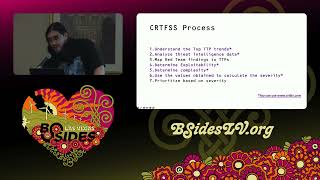
How to Prioritize Red Team Findings - Introducing CRTFSS: Common Red Team Findings Score System
Learn to prioritize red team findings with the Common Red Team Findings Score System (CRTFSS), enhancing cybersecurity assessment and decision-making processes.
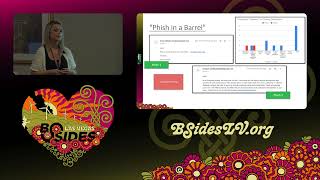
Social Engineering: Training the Human Firewall Against Phishing Attacks
Explore research on psychological factors behind phishing susceptibility and learn strategies to improve security education and measure risk in your organization.