Edge Lab - Open Reference Architecture for RPis and More
Explore open reference architecture for edge computing using Raspberry Pis and other devices. Learn practical implementations and best practices for building scalable edge infrastructure.
Wyliodrin STUDIO - An Open Source Tool for IoT Development
Open-source Chrome extension for IoT development, offering a user-friendly programming environment with advanced IDE features. Simplifies board setup, supports multiple languages, and provides tutorials for beginners.
WebAssembly with Rust - From Basics to Advanced Applications
Explore WebAssembly with Rust: fast, type-safe code for browsers and embedded devices. Learn basics, JavaScript integration, website building, and even control LEDs on a Raspberry Pi through live demos.

Routing in Operating System Development - Lesson 3
Configure Raspberry Pi as a network router/core-switch and define static routes for efficient data transmission and network management.
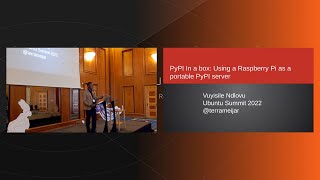
PyPI in a Box - Using a Raspberry Pi as a Portable PyPI Server
Learn how to create a portable PyPI server using a Raspberry Pi, enabling offline access to Python packages for areas with limited internet connectivity.

Introduction to Flutter - Understanding the Open Source UI Toolkit
Explore Flutter's architecture, benefits, and unique features for creating native apps with a single codebase. Learn why developers love this open-source UI toolkit from Google.
Pi in the Sky - Onboarding Edge Workloads Into the Service Mesh
Explore how Istio's Ambient Mesh simplifies edge computing by integrating diverse workloads, from legacy apps to Raspberry Pi, enhancing security, observability, and network policies without application changes.
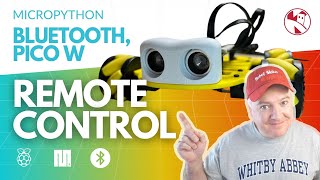
How to Make a Bluetooth Remote Using a Raspberry Pi Pico W and MicroPython
Learn to create a Bluetooth remote using Raspberry Pi Pico W and MicroPython. Covers Bluetooth basics, asynchronous coding, BLE services, and practical implementation with a robot demo.
Experimenting with Java and Electronics on the Raspberry Pi
Explore Java's potential on Raspberry Pi: control hardware, run Spring apps, and create games. Learn to interact with sensors, displays, and electronic components using Pi4J and IntelliJ IDEA.
Baking a Java EE 8 Microservices Architecture with Raspberry Pi
Explore Java EE 8 microservices with Raspberry Pi, covering cloud-ready messaging, JCA connectors, and new APIs. Hands-on demo showcases practical implementation for IoT and cloud-native applications.
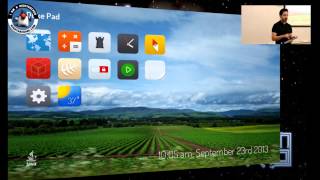
Java 8 and Embedded JavaFX - Applications on Raspberry Pi and Mobile Devices
Explore new embedded features in Java 8, including JavaFX on Raspberry Pi, Lego Mindstorms EV3, tablets, and smartphones. Learn to leverage these capabilities for innovative development.
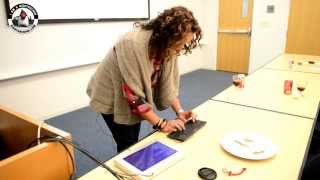
Beyond Beauty: Creating Immersive UIs with JavaFX, Parallax, and Raspberry Pi
Explore JavaFX's parallax effect for immersive UIs, touch integration, and Raspberry Pi applications. Learn hardware setup, GPIO, sensors, and creating rich user experiences.
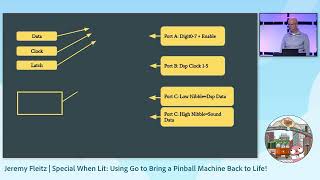
Using Go to Bring a Pinball Machine Back to Life
Explore how Go's concurrency and WaitGroups were used to revive a pinball machine, implementing game rules and integrating Raspberry Pi and Arduino for a fully functional, Go-powered gaming experience.
Toggle Switch Implementation Using Raspberry Pi Pico W PIO State Machine - Lesson 92
Master PIO State Machine programming on Raspberry Pi Pico W by implementing a toggle switch mechanism using GPIO pins, wait commands, and button inputs for efficient hardware control.
Ongoing Challenges in the Raspberry Pi Graphics Driver Stack
Explore ongoing developments in Raspberry Pi 4 driver stack, including OpenGL 3.x implementation, Vulkan driver CPU job handling improvements, and global GPU usage statistics tracking.

Wayfire - Converting OpenGL Wayland Compositor to Pixman Rendering
Discover how to optimize Wayfire OpenGL Wayland compositor for Raspberry Pi 3 using Pixman rendering, including performance improvements and technical challenges in implementation.
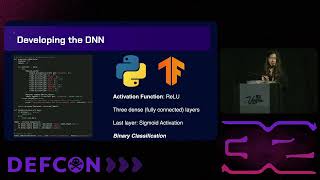
Developing a Low-Cost Raspberry Pi Device for ADS-B Spoofing Detection
Discover how to build Fly Catcher, a Raspberry Pi-based device using neural networks to detect spoofed aircraft signals through ADS-B monitoring and analysis in real-time.
Building a Multi-Node Cluster with K3s Using ARM Devices for Edge Computing
Explore edge computing with K3s on ARM devices. Learn to build a production-ready cluster using Raspberry Pi, configure networks, and implement cloud-native storage for efficient data processing at the edge.
Build a Kubernetes Cloud-Computing Cluster on Raspberry Pi
Learn to set up a Kubernetes cluster for cloud computing using Raspberry Pis and Ubuntu Server, enabling hands-on experience with distributed systems and containerization.
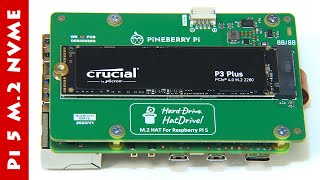
Raspberry Pi 5 M.2 NVMe HatDrive Setup and Testing
Comprehensive guide on setting up and using the Pineberry Pi M.2 NVMe HatDrive! with Raspberry Pi 5, including unboxing, configuration, and booting from an NVMe SSD.

Pico Micro Mac: Building a Mac 128K with Raspberry Pi Pico
Explore building a Mac 128K emulator using Raspberry Pi Pico with Ron McAdams' Pico Micro Mac board. Learn setup, usage, and potential of this compact retro computing project.