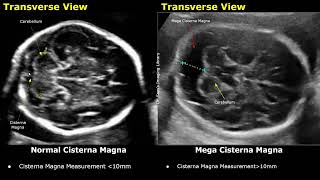
Edwards Syndrome (Trisomy 18) Antenatal Ultrasound Features - Normal vs Abnormal Fetal Images
Explore antenatal ultrasound features of Edwards Syndrome, comparing normal and abnormal fetal images across 16 key conditions for comprehensive understanding of Trisomy 18 diagnosis.
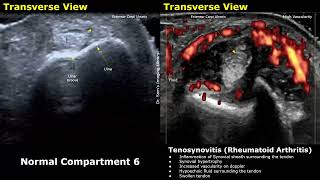
Wrist, Hand and Finger Ultrasound - Normal vs. Abnormal Images in Tenosynovitis and Rheumatoid Arthritis
Explore normal vs abnormal ultrasound images of wrist, hand, and finger conditions, including tenosynovitis and rheumatoid arthritis. Compare healthy structures with pathological findings for improved diagnostic skills.
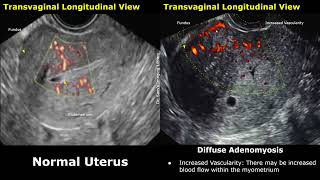
Uterus Ultrasound: Normal vs Adenomyosis Images - Diffuse and Focal Types - Gynecological USG Scan
Explore ultrasound imaging of normal uterus vs. adenomyosis, including diffuse and focal types. Learn key features for accurate gynecological diagnosis and differentiation.
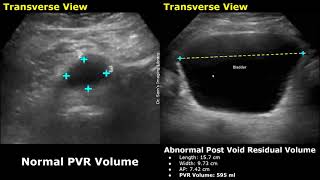
Pre Void and Post Void Residual Volume Bladder Ultrasound - Normal vs Abnormal Images
Learn to measure pre-void and post-void residual bladder volumes using ultrasound. Understand normal and abnormal results, calculation methods, and their clinical significance.
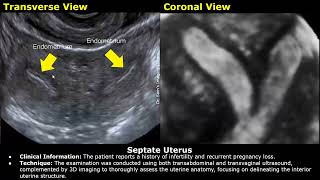
Congenital Uterine Anomalies Ultrasound Reporting - Didelphys, Bicornuate, Unicornuate Uterus
Explore congenital uterine anomalies through ultrasound reporting. Learn to identify and describe didelphys, bicornuate, unicornuate, septate, and arcuate uterus variations using USG techniques.
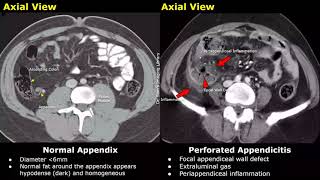
Appendix CT Scan: Normal vs Appendicitis - Acute, Gangrenous, and Perforated Types
Explore CT scan images of normal appendix vs. appendicitis, including acute, gangrenous, and perforated types. Learn key signs and characteristics for accurate diagnosis.
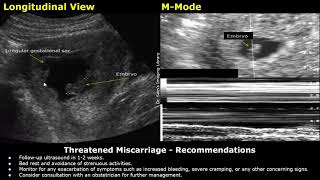
Miscarriage Ultrasound Reporting - Threatened, Missed, Inevitable, Incomplete Types USG Scan Reports
Learn to interpret and report ultrasound findings for various types of miscarriages, including threatened, missed, inevitable, incomplete, and complete.
Multimodality Conference: Advances in Cardiovascular Imaging - 5.2.2023
Explore advanced cardiovascular imaging techniques with leading experts. Gain insights into multimodality approaches for improved diagnosis and patient care in cardiology.
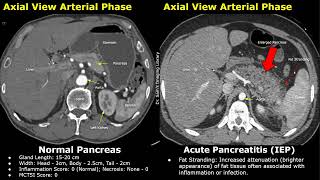
CT Normal Pancreas vs Acute Pancreatitis - Balthazar Modified CT Severity Index (MCTSI) Scoring
Learn to differentiate normal pancreas from acute pancreatitis on CT scans. Master the Modified CT Severity Index (MCTSI) scoring for accurate assessment and prognosis of pancreatic conditions.
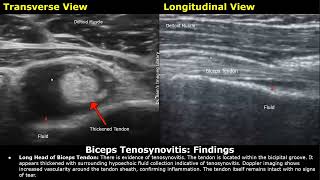
Shoulder Ultrasound Reporting - Supraspinatus Tendinosis, Tears, Biceps Tendon, and Joint Effusions
Master shoulder ultrasound reporting techniques for various conditions, including supraspinatus tendinosis, tears, biceps tendon issues, and joint effusions. Enhance diagnostic skills through case-based learning.
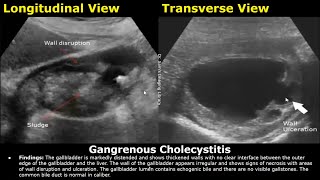
Abdominal Ultrasound Reporting - Liver, Gallbladder, Bile Duct, Pancreas, Spleen, Kidney, and Other Organs
Master abdominal ultrasound reporting techniques for liver, gallbladder, bile duct, pancreas, spleen, kidney, small bowel, hernia, appendix, prostate, and FAST examinations.
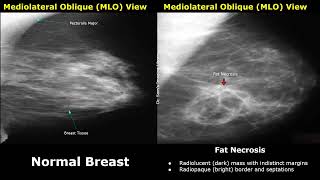
Mammography - Normal vs Abnormal Images and BI-RADS Classification for Breast Cancer and Other Diseases
Explore mammography images, distinguishing normal from abnormal findings. Learn BI-RADS classification and identify various breast conditions, from benign changes to malignancies.
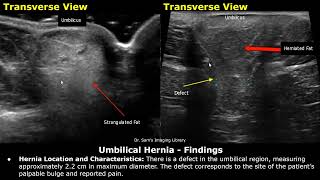
Hernia Ultrasound Reporting - Direct, Indirect, Inguinal, Epigastric, and Femoral Hernia USG Reports
Master ultrasound reporting for various hernia types, including epigastric, inguinal, femoral, and more. Learn to identify and describe key features for accurate diagnosis and effective communication.
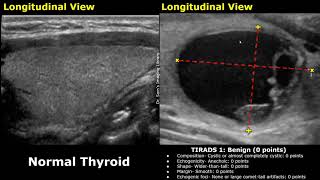
ACR TIRADS Classification of Thyroid Nodules Ultrasound - Thyroid Imaging Reporting and Data System
Master the ACR TIRADS classification for thyroid nodule ultrasound. Learn composition, echogenicity, shape, margin, and echogenic foci characteristics. Understand TIRADS categories from benign to highly suspicious.
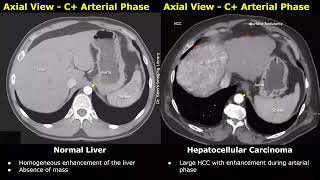
CT Scan Liver - Normal vs Hepatocellular Carcinoma (HCC) Images for Liver Cancer Diagnosis
Explore CT imaging of normal liver vs hepatocellular carcinoma. Learn risk factors, tumor markers, and key diagnostic features for accurate liver cancer identification and diagnosis.
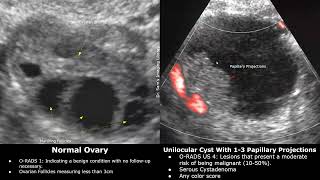
Ovarian-Adnexal Reporting and Data System Ultrasound (O-RADS US) - Classification of Ovarian Lesions
Learn to classify ovarian lesions using the O-RADS US system. Explore risk stratification, management strategies, and key ultrasound features for accurate diagnosis and patient care.
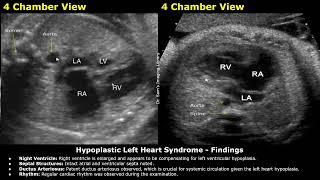
Fetal Chest Ultrasound and Echocardiography Reporting - Heart and Lung Disease USG Scan Reports
Explore fetal chest ultrasound and echocardiography reporting techniques for various heart and lung conditions. Learn to identify and interpret key findings in prenatal imaging scans.
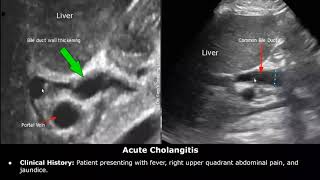
Bile Duct Ultrasound Reporting - CBD and Hepatic Duct Pathologies and Diseases
Learn to interpret and report bile duct ultrasounds, covering normal anatomy and various pathologies. Master the identification of common diseases and conditions affecting the biliary system.
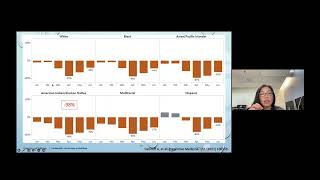
Impact of COVID-19 on Breast Cancer Screening - Time to Continue Mammography Care
Explore the pandemic's impact on breast cancer screening and learn why continuing mammography care is crucial for early detection and improved outcomes.
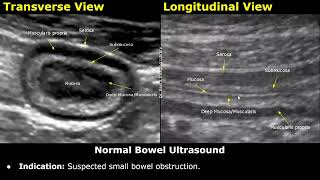
Small Bowel Ultrasound Reporting - How to Write USG Reports for Various Conditions
Learn to interpret and report small bowel ultrasounds, covering normal anatomy, enteritis, obstruction, intussusception, volvulus, and Crohn's disease.
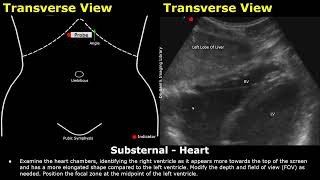
FAST Ultrasound Scan Probe Positioning - Transducer Placement for Chest, Substernal, RUQ, and LUQ Views
Master FAST ultrasound scan probe positioning for chest, substernal, RUQ, and LUQ views. Learn precise transducer placement techniques to effectively visualize key anatomical structures and detect potential abnormalities.