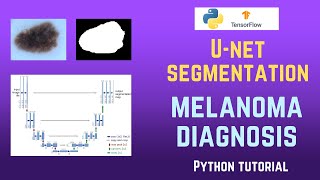
Medical Melanoma Detection - TensorFlow U-Net Tutorial
Step-by-step guide to implementing a U-Net model for melanoma detection using TensorFlow/Keras, covering data preparation, augmentation, model building, training, testing, and result visualization.
Forerunners of Cancer Hallmarks - Explainable Machine Learning in Early Cancer Diagnosis
Explore explainable machine learning techniques for early cancer detection, focusing on identifying precursor signs of cancer hallmarks to improve diagnostic accuracy and patient outcomes.
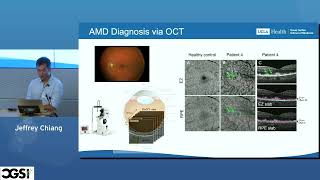
Strategies for Integrating Deep Learning with Current Biomedical Research
Explore strategies for integrating deep learning in biomedical research, focusing on automated identification of clinical features from medical imaging and prediction of disease progression.
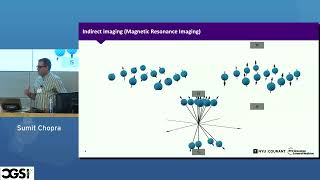
Less is More: Learning Signals to Learn Representations in Healthcare
Explore advancements in machine learning for MRI reconstruction and medical imaging. Discover how less data can yield more accurate representations in healthcare applications.
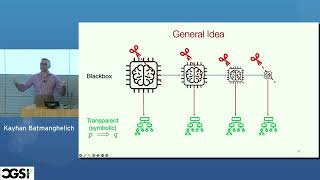
Divide and Conquer: Carving Out Symbolic Models from BlackBox for More Efficient Domain Adaptation
Explore techniques for extracting symbolic models from black-box systems, enhancing domain adaptation efficiency in computational genomics and medical imaging.
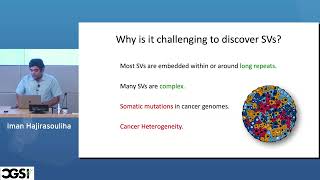
Applications of Deep Learning to Genomics and Digital Pathology
Explore deep learning applications in genomics and digital pathology, focusing on cutting-edge research and practical implementations in healthcare.
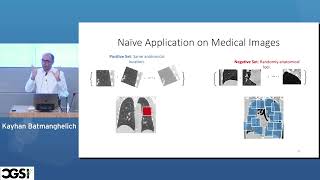
Bridging ML Models with Medical Insights for Learning, Inference, and Model Explanation in Radiology
Explore ML models bridging medical insights for radiology applications. Learn about self-supervised representation, progressive exaggeration, contrastive learning, causal analysis, and association tests in medical imaging.
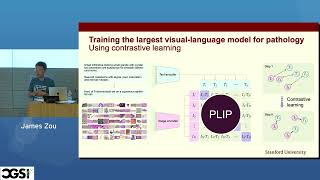
Leveraging Medical Twitter to Build a Visual Language AI Model for Pathology
Explore leveraging medical Twitter data to develop a visual language AI model for pathology, enhancing tumor microenvironment characterization and spatial gene expression analysis.

Understanding Spurious Feature Learning Through the Lens of Task Difficulty
Explore spurious feature learning in medical imaging and cancer detection, examining prediction depth, task difficulty, and reusable information for improved model understanding.
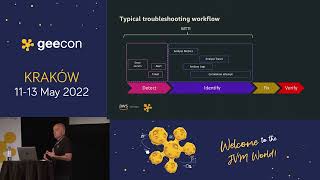
Modern Observability for Cloud Applications - Spectacles on Steroids
Explore modern telemetry for cloud-based distributed systems, covering observability pillars, AWS services, OSS integration, and reference architectures for enhanced monitoring.

Artificial Intelligence in Healthcare: Adapting to Uncertain Times
Explore AI's role and potential in healthcare, focusing on its impact during COVID and future applications in medical settings.
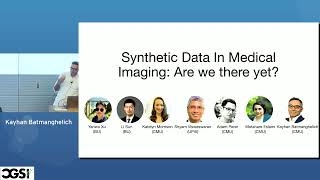
Synthetic Data in Medical Imaging: Are We There Yet?
Explore synthetic data's potential and challenges in medical imaging, focusing on recent advancements and future prospects for improved healthcare applications.
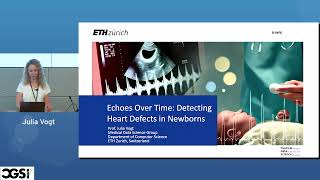
Echoes Over Time: Detecting Heart Defects in Newborns
Explore advanced deep learning techniques for detecting heart defects in newborns using echocardiograms. Learn to predict pulmonary hypertension and analyze cardiac function through innovative AI approaches.
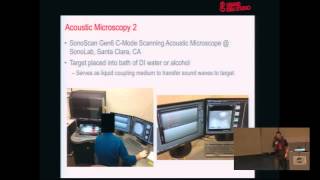
Using Superpowers for HW Reverse Engineering
Explore hardware reverse engineering using lasers, X-rays, and sound waves. Learn innovative techniques for analyzing electronic products and circuit boards from an experienced hacker.
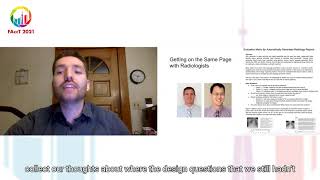
A Pilot Study in Surveying Clinical Judgments to Evaluate Radiology Report Generation
Explore a pilot study on evaluating AI-generated radiology reports through clinical judgments, examining methodologies, results, and implications for healthcare technology.
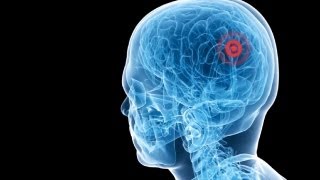
Ultrasound Surgery - Healing Without Cuts
Explore non-invasive ultrasound surgery techniques using MRI and focused ultrasound to treat brain lesions, uterine fibroids, and cancerous growths without incisions.

Helping Surgeons See Their Surgery Before It Happens
Interdisciplinary collaboration revolutionizes surgical planning by bridging radiology and surgery, improving patient outcomes through advanced visualization techniques and innovative approaches to medical imaging.

How Digitalisation Saved My Life - Literally
Discover how digital advancements in healthcare saved a life, exploring technological breakthroughs in medical diagnostics and treatment through a personal, life-changing experience.
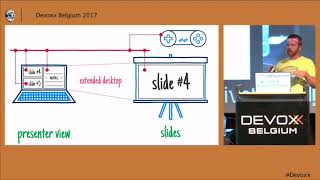
An Ultrasonic Adventure
Explore innovative web communication using ultrasounds and WebRTC. Learn how to connect web pages without servers, pushing technology boundaries for unique user experiences.

Detect and Prevent Alzheimer's Disease Before Memory Loss
Explore groundbreaking research on early Alzheimer's detection using PET scans, offering hope for preventive therapies and insights into the disease's progression before memory loss occurs.
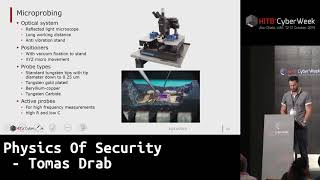
Physics of Security
Exploring IC reverse engineering techniques for security assessment, including failure analysis tools, delayering methods, and circuit editing. Learn how to analyze and modify chip structures for hardware hacking.