
Chronic Lymphocytic Leukemia - CLL
Comprehensive overview of chronic lymphocytic leukemia, covering pathophysiology, diagnosis, and treatment options. Ideal for medical students and healthcare professionals seeking in-depth understanding.
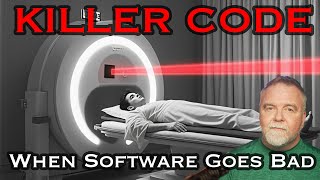
When Software Kills: The Therac-25 Radiation Therapy Disaster
Explore the tragic story of the Therac-25 radiation therapy machine, examining software flaws, design issues, and their devastating consequences for patients.
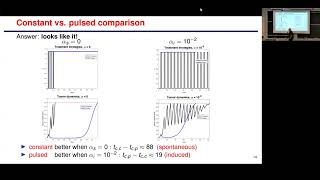
Understanding Chemotherapeutic Tolerance Through a Mathematical Model of Drug-Induced Resistance
Explore a mathematical model of drug-induced resistance in cancer treatment, examining chemotherapeutic tolerance and its implications for oncology.
Challenges in the Use of Virtual Populations for Oncology Drug Development
Explore challenges in using virtual populations for oncology drug development, focusing on mathematical modeling and optimization techniques.
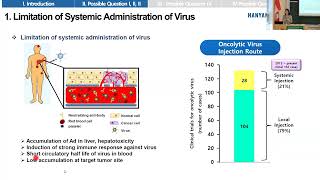
Enhanced Therapeutic Effects and Safety Profile of Systemically Delivered Oncolytic Adenovirus
Explore advancements in oncolytic adenovirus therapy, focusing on improved efficacy and safety for systemic delivery in cancer treatment.

Transforming Cancer Treatment in Low-Resource Settings
Explore innovative approaches to cancer treatment in resource-limited areas, focusing on accessible and affordable solutions for global health equity.
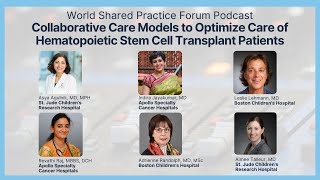
Collaborative Care Models to Optimize Care of HSCT Patients
Experts discuss collaborative care models for pediatric hematopoietic stem cell transplant patients, sharing insights on development, implementation, and improvement strategies across three major hospitals.
Antimetabolites in Cancer Treatment - Key Concepts and Pathophysiology
Explore antimetabolites in cancer treatment, their mechanisms, and clinical applications in this concise pharmacology lecture.
Telomeres and Cancer - Short Topic in Cancer Pathophysiology
Explore the connection between telomeres and cancer development, understanding their role in cellular aging and potential implications for cancer research and treatment.
Anticancer Alkylating Agents - Key Concepts in Cancer Pharmacology
Explore the mechanisms and applications of anticancer alkylating agents in cancer treatment, focusing on their pharmacological properties and clinical significance.

The Drug Development Journey for New Cancer Treatments - Part 1
Explore the journey of cancer drug development with Prof. Paul Workman, focusing on basic science, drug discovery, and biomarker development leading to innovative treatments.

The Drug Development Journey for New Cancer Treatments - Part 2
Explore clinical studies on AKT inhibitors in cancer treatment with Prof. Nick Turner, focusing on breast cancer research and drug development advancements.
How AI Can Help Us Understand Breast Cancer
Explore machine learning applications in breast cancer research, focusing on improving treatments through enhanced biological understanding.

Benefits of Soy and Other Phytonutrients for Breast Cancer Patients
Explore soy and plant-derived compounds' potential to reduce breast cancer recurrence and improve survival with insights from a Johns Hopkins oncologist.
Precision Dosing of Antibody Therapeutics: PET Imaging for Quantifying Activity in Tumors
Explore novel PET imaging techniques for quantifying therapeutic antibody activity in tumors, focusing on PD-L1 imaging agents and dose optimization strategies.
Imaging Therapeutic Immune Cells
Explore imaging techniques for therapeutic immune cells like CAR-T, enhancing understanding of their behavior and effectiveness in treatment.
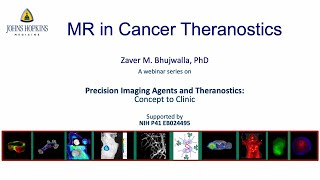
Magnetic Resonance Imaging in Cancer Theranostics
Explore the role of theranostic agents in cancer treatment and therapy response monitoring using advanced MRI techniques.
Personalized Cancer Treatment: Integrating Digital Twins and Quantitative Systems Pharmacology
Explore innovative approaches to personalized cancer treatment using digital twins and quantitative systems pharmacology for improved patient outcomes.

Computational Methods for Inferring Tumor Evolution and Heterogeneity
Explore computational techniques for analyzing tumor evolution and heterogeneity, enhancing understanding of cancer progression and treatment strategies.
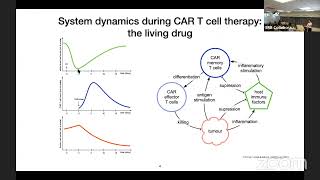
Quantifying CAR T Cells Activity Against AML - Model Selection Based on In Vitro Cytolytic Assays
Explore quantitative modeling of CAR T cell activity against AML through in vitro cytolytic assays, enhancing understanding of immunotherapy effectiveness.
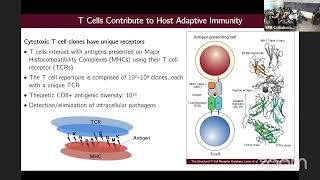
Biophysical Modeling of Tumor-Immune Interactions for Optimizing T-Cell Immunotherapy
Explore biophysical modeling techniques for tumor-immune interactions to enhance T-cell immunotherapy effectiveness and optimize treatment strategies.