
Breast Cancer Screening and Treatment Advances - Community Talk
Stanford specialists discuss latest breast cancer screening and treatment advances, including genetic testing, imaging technologies, and innovative therapies beyond surgery.
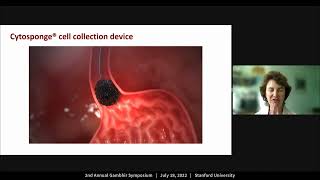
Early Diagnosis - Tales from the Esophagus
Innovative Cytosponge technology combined with AI for early esophageal cancer detection. Explores minimally invasive triage methods and advanced endoscopy for effective localization and removal of early-stage tumors.
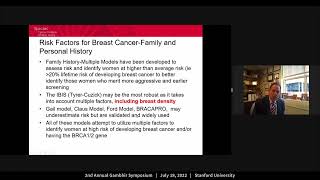
Genetic Factors in Breast Cancer Screening and Imaging
Explore genetic factors influencing breast cancer screening and imaging techniques with expert insights from Dr. Bruce Haffty, enhancing understanding of personalized risk assessment.

Prostate Cancer Screening and Treatment Options
Stanford experts discuss prostate cancer screening, targeted biopsy techniques, surgical treatments, and radiation therapies, providing insights on latest advancements and patient care options.
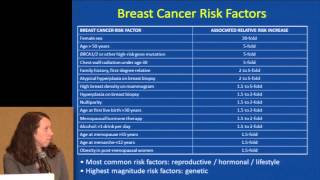
Breast Cancer Genetics, Risk, and Screening
Explore breast cancer risk factors, screening methods, and genetic considerations with Stanford experts. Learn about breast density, imaging technologies, and the latest recommendations for early detection and prevention.

Latest Advances in Lung Cancer Screening and Treatment
Stanford experts discuss new lung cancer screening guidelines for ex-smokers and innovative treatments like minimally invasive surgery, targeted therapies, and precise radiation therapy.

Latest Advancements in Breast Cancer
Explore cutting-edge breast cancer screening and treatment advances with Stanford specialists, covering genetic testing, imaging technologies, and innovative therapies for early detection and improved outcomes.

Stanford Advances in Cervical Cancer Screening and Treatment
Explore latest advances in cervical cancer screening and treatment, including HPV testing, vaccines, and prevention strategies. Learn about risk factors, guidelines, and the importance of regular screenings.
Black Women and Genetic Risk of Breast Cancer
Explore genetic risk factors, genomics, and racial disparities in breast cancer for Black women. Learn about family history, genetic testing, and self-advocacy in screening and treatment.
Early Detection of Breast Cancer in Black Women
Comprehensive exploration of breast cancer risks for Black women, covering screening methods, self-exams, and advocacy strategies to improve early detection and survival rates.
Increased Risk of Gastric Cancer in Asians - Causes and Strategies for Early Detection
Explores gastric cancer's disproportionate impact on Asian Americans, discussing risk factors, early detection strategies, and the need for improved national policies to address this healthcare disparity.

What You Need to Know About Colon Cancer
Comprehensive overview of colorectal cancer, covering risk factors, screening methods, and treatment advances, empowering viewers with essential knowledge for prevention and early detection.

Latest Prostate Cancer Information
Expertos de Stanford comparten información actualizada sobre detección, tratamiento y avances en cáncer de próstata, incluyendo vigilancia activa, cirugía robótica y nuevas terapias para casos metastásicos.

Lung Cancer Screening, Incidence, and Outcomes in Asian Americans
Explores lung cancer screening guidelines and outcomes for Asian Americans, highlighting unique risks and trends in this population, including smoking history and increasing incidence in non-smoking females.
AI-Driven Advancements in Mammogram Analysis - MedAI #119
Exploring AI applications in mammogram analysis for cancer screening and cardiovascular risk assessment, addressing challenges in healthcare AI adaptation and extracting actionable clinical insights.

Lung Cancer in Asian Americans: Screening, Treatment, and Advancements
Explore lung cancer's impact on Asian Americans, screening guidelines, and treatment advancements. Learn about rising rates among non-smokers and cutting-edge surgical techniques for improved outcomes.
The Future of Radiology - Key Drivers for the Next 5 Years
Explore key drivers shaping radiology's future, including policy changes, quality measures, and technological advancements like decision support systems and data science in healthcare.

Những tiến bộ trong việc Sàng lọc và Điều trị Ung thư Phổi
Khám phá gánh nặng ung thư phổi ở người châu Á, các yếu tố nguy cơ và tiến bộ trong sàng lọc, phát hiện sớm và điều trị cá nhân hóa với liệu pháp nhắm mục tiêu và miễn dịch.
Happy Colon, Healthy You
Discover colon cancer prevention, screening methods, and colonoscopy expectations with a UCLA gastroenterologist. Learn to prioritize colon health and take proactive steps for early detection.
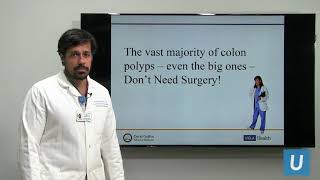
Treatment Options for Colon Polyps - Alireza Sedarat, MD - UCLAMDChat
Comprehensive overview of colon polyps, detection methods, and advanced endoscopic removal techniques to prevent cancer progression. Covers screening guidelines and potential complications.

Lung Cancer: Symptoms, Pathology, Diagnosis, Types, and Treatment
Explore lung cancer types, symptoms, diagnosis, and treatment in this comprehensive medical lecture. Gain insights into etiology, classification, and management for USMLE and NEETPG preparation.