Can Neuroscience Help Advance Artificial Intelligence? - Dmitri Chklovskii
Explore how neuroscience insights can revolutionize AI, leading to more intelligent, efficient, and resilient systems. Learn about reverse-engineering biological networks and its potential impact on AI and brain disorder treatments.
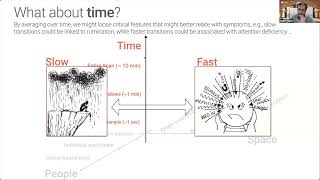
Precision Dynamical Mapping to Characterize Brain Activity Fluctuations
Exploring Topological Data Analysis to map brain activity fluctuations in psychiatric disorders, overcoming neuroimaging limitations and enhancing understanding of neurobiological underpinnings.

World of Neuroscience - Brain Changes and Neuroplasticity Across the Lifetime
Explore neuroplasticity and brain changes across the lifespan, including mental health conditions. Gain insights into the fascinating world of neuroscience from a Cambridge graduate and current UCL PhD student.

Human-AI Symbiosis and the Quest for Neurorights
Explore ethical challenges of human-AI integration through neural interfaces. Discover the importance of neurorights in shaping a future where technology enhances human capabilities without compromising fundamental freedoms.
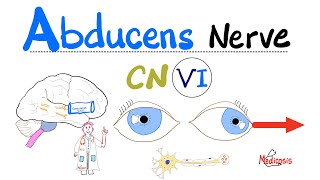
Abducens Nerve - Cranial Nerve VI - Cavernous Sinus Syndrome, Pseudotumor Cerebri
Explore the abducens nerve's anatomy, function, and related disorders like cavernous sinus syndrome and pseudotumor cerebri. Learn about its role in eye movement and clinical implications.
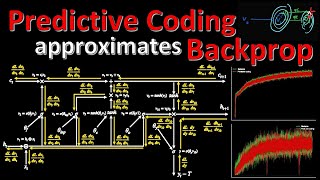
Predictive Coding Approximates Backprop Along Arbitrary Computation Graphs - Paper Explained
Explores how predictive coding can approximate backpropagation in neural networks, bridging neuroscience and machine learning. Discusses implications for biologically plausible deep learning algorithms.
Unsupervised Brain Models - How Does Deep Learning Inform Neuroscience?
Explore connections between deep learning and neuroscience, focusing on unsupervised brain models and their potential to explain visual processing streams and representation learning in the brain.

Talking Science - Covert Ops: The Chemicals Behind Invisible Communications
Explore the fascinating world of chemical communication, from taste receptors to olfactory systems, with insights into groundbreaking research and Nobel Prize-winning discoveries in neuroscience.

The Biology of Sensory Perception - How Children Discover the World
Explore how children's brains develop through sensory experiences, focusing on hearing and its potential risks. Learn about neural pathways, genetics, and sensory integration disorders.
Zhaoping Li - The Central-Peripheral Dichotomy in Visual Decoding
Explore visual decoding, including visual selection, V1 mapping, and stereo vision, with insights on the central-peripheral dichotomy and its implications for understanding human perception.

Brain Electrical Oscillation Changes with Respect to Signature Profiling
Explore BEOS technique for detecting crime involvement through brain electrical signals. Learn about this non-responsive method based on EEG, presented by Prof. C.R. Mukundan.

Revolutionary P-300 Forensic Neuro Technology for National Security
Explore P-300 brain-computer interfaces for forensic applications in national security, including guilty/innocent classification and healthcare, with insights from Dr. Laxmidhar Behera.
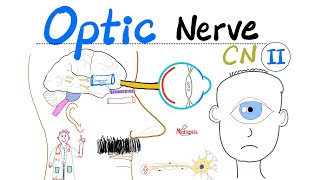
Optic Nerve and Visual Pathway - Cranial Nerve 2 (CN II) - Neuroanatomy Series
Comprehensive exploration of the optic nerve's anatomy, function, and pathway from retina to visual cortex. Covers structure, connections, and potential impacts of damage on vision.
Wearables That Tap the Mind - Thync's Mind-Bending Technology
Explore groundbreaking wearable technology that interacts with the mind, presented by Thync at Web Summit. Discover how this innovative device could revolutionize our approach to mental well-being and cognitive enhancement.

The Neuroscience of Perception - How Digital Can Unite Us
Explore the intersection of neuroscience, behavioral science, and design thinking to gain a fresh perspective on perception and digital connectivity.

New Paths to Treat and Prevent Brain Disease
Neuroscientists discuss innovative therapies, techniques, and lifestyle changes to unlock brain secrets, boost performance, and enhance longevity, offering insights into brain health and disease prevention.

Unleashing Your Brain's Potential - Science, Lifestyle, and Longevity
Discover evidence-based strategies to enhance cognitive abilities, prevent decline, and optimize brain health. Learn practical tools for improving memory, focus, and overall mental well-being from neurological experts.

The Astonishing Effects of Exercise on the Brain
Explore the profound impact of physical activity on brain function, from reducing anxiety to enhancing memory and joy. Learn science-based tools to improve cognitive performance through exercise.

Mind-Blowing Neurotech - Advancements in Brain-Computer Interfaces
Explore revolutionary advancements in brain-computer interfaces, from aiding paralysis patients to treating PTSD. Visionaries discuss current possibilities and future trajectories of merging human biology with cutting-edge technology.

Tracking and Hacking the Brain - Implications for Freedom and Technology
Explore the future of brain-computer interfaces, their potential benefits, and ethical concerns as we enter an era where decoding thoughts and controlling technology with brainwaves becomes possible.

Your Brain on Art: How the Arts Transform Us
Explore the transformative power of art on the brain, body, and behavior through neuroscience insights and real-world applications, featuring discussions with experts and a live musical demonstration.