
Neurology - Cerebrum: Frontal Lobe Anatomy & Function
Comprehensive exploration of frontal lobe anatomy and function, including Broca's area, motor cortex, and prefrontal cortex. Covers key roles in language, movement, and executive functions.

Neurology - Basal Ganglia Anatomy & Function - Direct & Indirect Pathways
Comprehensive exploration of basal ganglia anatomy and function, covering direct, indirect, and nigrostriatal pathways, with insights into Parkinson's and Huntington's diseases.
Neurology - Hypothalamus Anatomy & Function
Explore hypothalamus anatomy, zones, and functions, including endocrine control, autonomic regulation, and behavioral influences. Learn about key nuclei and their roles in the body.

Spinal Cord Lesions - Anterior Cord, Posterior Cord, Central Cord, Brown-Sequard
Comprehensive exploration of spinal cord lesions, detailing complete and incomplete types. Focuses on anterior, posterior, central cord, and Brown-Sequard syndromes, providing in-depth neurological insights.

Neurology - Upper Motor Neuron vs Lower Motor Neuron Lesion
Comprehensive exploration of upper and lower motor neuron lesions, covering pathophysiology, characteristics, and diagnostic tests. Ideal for medical students and neurology enthusiasts.

Neurology - Thalamus Anatomy & Function
Comprehensive exploration of thalamus anatomy and function, covering various nuclei and their roles in sensory processing, motor control, and cognitive functions.

Neurology - Spinal Cord: Stretch Reflex - Muscle Spindle
Detailed exploration of the spinal cord stretch reflex and muscle spindle components, providing in-depth neurological insights for medical students and professionals interested in neuromuscular mechanisms.

Neurology - Spinal Cord: White Matter Structure & Function
Explore spinal cord white matter structure and function, including white columns, ascending tracts, and basic functions. Gain insights into the organization and role of white matter in the nervous system.

Neurology - Spinal Cord: Gray Matter Structure & Function
Explore spinal cord gray matter structure and function, including Rex lamina, nuclear groups, nucleus functions, lamina functions, and Clark's nucleus.
Neurology - Spinal Cord Blood Supply
Comprehensive overview of spinal cord blood supply, including anatomy, clinical correlations, and anterior spinal artery syndrome. Covers key concepts for understanding neurological implications.

Neurology - Gross Anatomy of the Spinal Cord and Spinal Nerves
Comprehensive exploration of spinal cord and nerve anatomy, covering structure, function, and key anatomical features. Ideal for medical students and neurology enthusiasts seeking in-depth understanding.
Medullary Lesions - Medial and Lateral Medullary Syndromes
Comprehensive exploration of medial and lateral medullary syndromes, covering anatomical structures, clinical presentations, and diagnostic approaches for these common medullary lesions.
Pons Lesions
Explore common pons lesions, their effects on cranial nerves, and associated syndromes. Learn about Raymond Syndrome, Locked-in Syndrome, and their impact on neurological function.
Parkinson's Disease Motor Severity Associated with Synaptic Density and Dopamine Transporter PET - BrainMap Lecture
Explore the relationship between Parkinson's disease motor severity, synaptic density, and dopamine transporter PET in this insightful presentation by Dr. David Matuskey from Yale University.
The Chemistry of Concussions: Magnetic Resonance Spectroscopy of Mild Traumatic Brain Injury
Explore the chemical aspects of concussions and mild traumatic brain injury through magnetic resonance spectroscopy. Gain insights from Dr. Alexander Lin's research at Harvard Medical School.
Presurgical Evaluation in Drug Resistant Epilepsy: Is It Time to Utilize Novel Biomarkers?
Explore novel biomarkers for presurgical evaluation in drug-resistant epilepsy, examining their potential to enhance treatment outcomes and patient care.
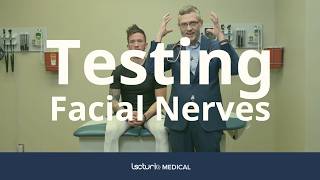
How to Examine Cranial Nerves VII-XII - USMLE Guide
Learn to examine cranial nerves VII-XII, including facial expressions, hearing, balance, swallowing, and tongue movement. Master key tests like Weber, Rinne, and Dix-Hallpike for comprehensive neurological assessment.
Dizziness and Vertigo: Causes, Approach to Patient, and Treatment
Explore causes, approach, diagnosis, and treatment of dizziness and vertigo based on Harrison's principles. Gain comprehensive insights for effective patient management.
Chronic Encephalitis - Causes, Diagnosis, and Treatment
Explore chronic encephalitis syndromes: causes, diagnosis, and treatment. Learn about Progressive Multifocal Leukoencephalopathy, Subacute Sclerosing Panencephalitis, and Progressive Rubella Panencephalitis.
Obstructive Sleep Apnea - Pathogenesis, Approach, and Treatment
Explore obstructive sleep apnea's pathogenesis, risk factors, clinical features, complications, diagnostic approach, and treatment options in this comprehensive medical lecture.

Insomnia - Understanding Causes and Solutions with Sleep Expert Martin Reed
Expert insights on managing insomnia: Learn about its causes, avoid common pitfalls, and discover effective strategies for better sleep through less effortful approaches and consistent habits.