
PyPy Status Talk - No No, PyPy Is Not Dead
Explore PyPy's latest developments, including JIT compiler, garbage collection, NumPy, Python 3 compatibility, CFFI, and STM research, showcasing its continued evolution and performance improvements.
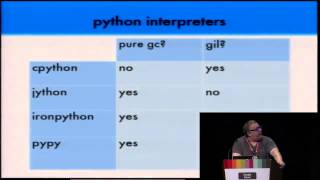
Python's Infamous GIL
Explore Python's Global Interpreter Lock: its history, benefits, drawbacks, and potential removal. Gain insights into multithreading challenges and GIL's impact on Python performance.
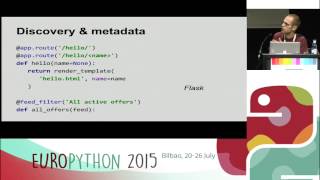
Practical Usage of Advanced Python Constructs
Explore practical applications of advanced Python constructs like iterators, generators, decorators, and context managers in real projects, with brief introductions to each concept.

Knowing Your Garbage Collector
Explore Python's garbage collection mechanisms, including reference counting and cycle detection in CPython, and the MiniMark GC in PyPy. Gain insights into memory management and potential issues.
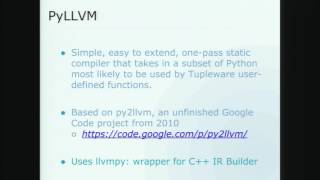
Wrestling Python into LLVM Intermediate Representation
Explore the process of translating Python into LLVM Intermediate Representation, enabling platform-independent execution and potential performance improvements for analytical frameworks.

Peeking into Python’s C API
Explore Python's inner workings through its C API. Learn about reference counting, memory management, and the implementation of objects and modules by creating bindings between C and Python.
How CPython Parser Works, and How to Make It Work Better
Explore CPython's parsing process, its impact on performance, and potential optimizations. Learn about syntax trees, memory footprint reduction, and opportunities for improving Python's overall efficiency.
Lessons Learned in X Years of Parallel Programming
Insights and practical examples on advanced parallel programming in Python, covering performance, debugging, and useful libraries for both enterprise and scientific applications.
Cython to Speed Up Your Python Code
Discover how to significantly accelerate Python code using Cython, a powerful tool that translates Python to C/C++, enabling static optimizations and seamless integration of Python, C, and C++ features.
Go to Python
Explore combining Go and Python: learn to create Python extension modules using Go, covering data sharing, callbacks, and garbage collection. Discover the advantages of this powerful combination.
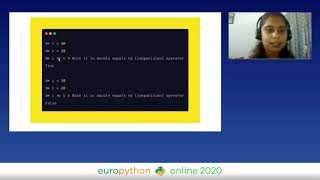
Object Internals
Explore Python's object internals, memory management, and data structure behavior. Gain insights into mutability, copying, sorting, and memory allocation for improved code understanding and optimization.
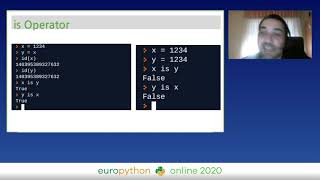
Python Memory Management 101
Explore Python's memory allocation, garbage collection, and reference counting. Learn to configure the gc module and implement best practices for efficient memory management.
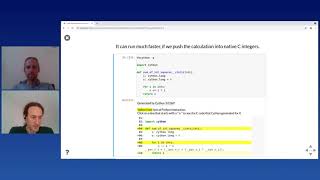
Fast Native Data Structures - C-C++ from Python
Explore efficient data processing using Cython to leverage native C/C++ data structures, optimizing performance for large-scale numerical and string operations in Python.
Measuring Memory - Python Memory Profilers and When to Use Them
Learn to measure and optimize Python memory usage, exploring profilers for different scenarios like web apps and data processing to prevent crashes and improve performance.
What Happens When You Import a Module
Explore the intricate process of Python module imports, including file discovery, loading mechanisms, and customization options. Gain insights into finders, loaders, and the inner workings of this fundamental feature.
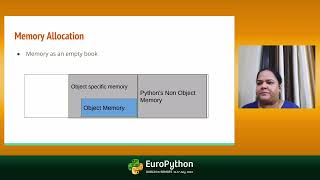
Memory Problems, Did Collector Forget to Clean the Garbage?
Explore Python memory management, common errors, and optimization techniques. Learn about CPython's allocation, garbage collection, and practical ways to improve code efficiency.
How to Be a Ninja - Troubleshooting SQL Performance
Learn advanced SQL performance troubleshooting techniques, including storage tips, best practices, and optimization strategies for efficient database management and improved query execution.
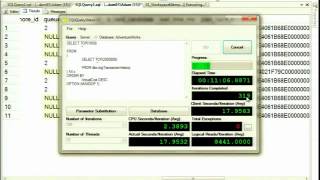
Query Tuning Mastery - Zen and the Art of Workspace Memory
Explore advanced query tuning techniques, focusing on workspace memory optimization for improved performance and scalability in SQL Server. Learn monitoring, query hints, and memory internals for complex queries.
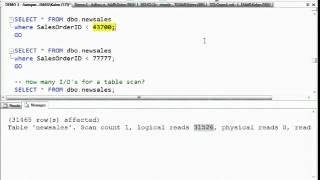
What Happened? Exploring the Plan Cache
Explore SQL Server's plan cache to identify problematic queries and performance issues. Learn tools and techniques for analyzing cached plans, their lifespan, execution frequency, and potential optimization opportunities.
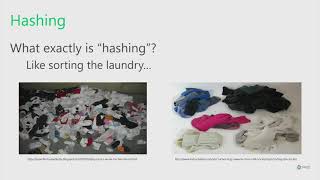
Hash Match, the Operator
Deep dive into SQL Server's Hash Match operator: its versatility, memory usage, and performance characteristics. Explore how it functions in execution plans for advanced query optimization.
One Bite at a Time
Efficient techniques for anonymizing PII data, archiving old data, and performing garbage collection in databases. Learn to create procedures for updating large datasets while maintaining performance and avoiding blocking operators.