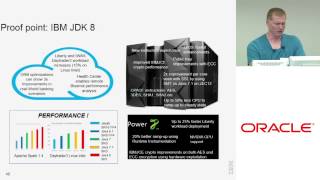
Multi-Language Runtime for JVM - JVMLS 2015
Explore IBM's vision for multi-language runtimes, including JVM concerns, secret experiments, and innovations in method profiling, garbage collection, and JIT compilers.
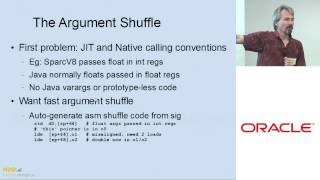
VM Design Choices for Java Virtual Machines - JVMLS 2015
Explore VM design choices for JVM languages, covering interpreters, optimization, garbage collection, multithreading, and more. Gain insights into JVM architecture and performance considerations.
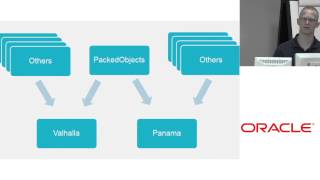
The Future is Native - JVM Language Summit 2015
Explore the future of native computing in JVM languages, focusing on packed objects, memory layouts, and performance optimizations for modern hardware architectures.

Hybrid Memory Management in JVM Languages
Explore innovative hybrid memory management techniques for JVM, combining automatic garbage collection with manual memory management for improved performance and efficiency.
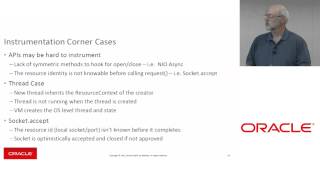
Resource Tracking Techniques in JVM Languages - JVMLS 2015
Explore resource tracking techniques for JVM, covering models, contexts, factories, and instrumentation. Learn about meter interfaces, exceptions, and policy engines for efficient resource management.
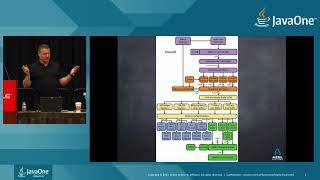
Java at Speed - Getting the Most Out of Modern Hardware
Explore JVM optimizations and modern hardware features to enhance Java application performance, focusing on JIT compiler capabilities and Intel server platform advancements.
Scale Up with Lock-Free Algorithms - Java Performance Optimization
Learn to design and implement scalable lock-free algorithms in Java, utilizing multi-core CPUs and large memory systems. Explore atomic operations, performance optimization, and practical challenges in building efficient concurrent systems.
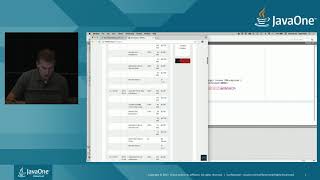
Java EE - Heavyweight or Lightweight Mythbusters
Debunking Java EE myths: deployment speed, WAR size, RAM usage, performance, transaction overhead, cloud compatibility, and server footprint. Explore with data and code.
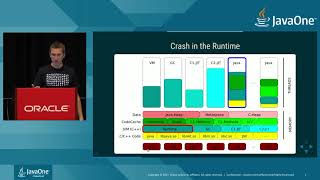
Analyzing HotSpot Crashes: Detection, Classification, and Handling - Java
Unveiling HotSpot crash analysis techniques, tools, and strategies to detect, classify, and handle Java VM issues for improved application stability and performance.
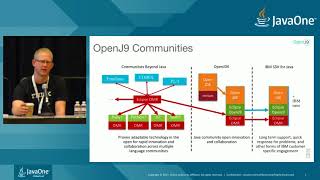
Ask the OpenJ9 Architects - Q&A Session on Open Source JVM
Explore OpenJ9, an open-source JVM, with IBM architects. Learn about its features, benefits, and implementation in this Q&A session covering memory management, GC policies, and supported platforms.
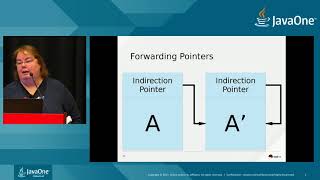
Shenandoah 2.0 - Advancing Garbage Collection Beyond Pause Time Control
Explores advancements in Shenandoah garbage collection, focusing on partial collections of heap regions using various heuristics to optimize performance for different application types beyond traditional generational GC.
Ask the JDK Architects - Java Platform Q&A Session
Explore Java's past, present, and future with Oracle's key architects in an open Q&A session covering memory, versioning, modules, optimization, and language features.
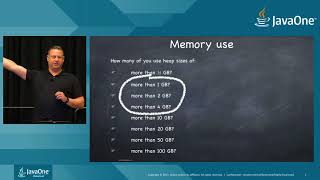
Understanding Java Garbage Collection
Explore Java garbage collection techniques, algorithms, and metrics. Learn to balance responsiveness, throughput, and memory usage for optimal application performance.

JDK 9 Hidden Gems - Performance Optimizations and New Features
Explore JDK 9's hidden features: enhanced performance, optimized libraries, and advanced technologies for big data, cloud, and HPC applications.
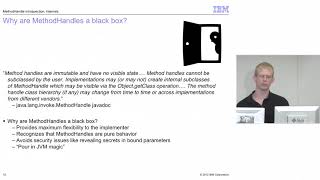
MethodHandle Introspection in Java
Explore MethodHandle introspection in Java, covering lambda implementation, metafactory bootstrap methods, and creating an introspector. Learn about limitations, security implications, and behavioral equivalence.
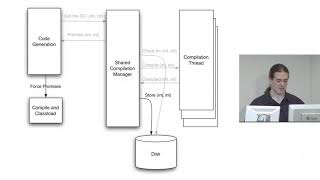
Implementing StreamBase - Best Practices and Optimization Techniques
Learn StreamBase implementation techniques to enhance code structure, control flow, and naming conventions for improved Java development.
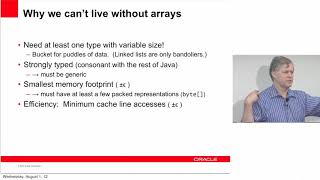
Arrays 2.0 - Opportunities and Challenges
Explore opportunities and challenges in array programming with John Rose, covering user needs, JVM improvements, and potential future developments for Java arrays.
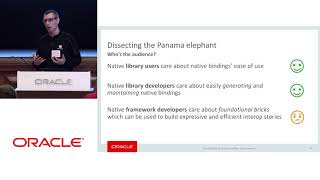
Project Panama: Reimagining Java's Foreign Function Interface - Update
Explore Project Panama's innovative approach to Java-native integration, enhancing developer productivity, security, and efficiency through seamless foreign function and data structure interaction.
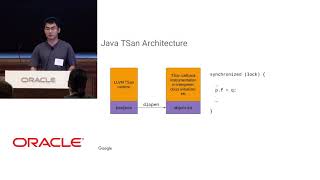
Thread Sanitizing for Java - Implementation and Initial Findings
Explore Thread Sanitizer for Java: implementation details, data race detection in libraries, and JVM insights. Learn about project goals and provide feedback on this emerging tool.

Troubleshooting Memory Problems in Java Applications
Learn effective techniques and tools for diagnosing and resolving memory issues in Java applications, including OutOfMemoryErrors, unexpected growth, and long GC pauses.

The Good Cop/Bad Cop Guide to Java 9 - Features and Benefits for Developers
Explore Java 9's key features through interactive demos and debates. Learn about modularity, REPL, new garbage collector, HTTP 2 client, and API updates to understand their practical impact on everyday development.