Spirometry - Lung Volumes and Capacities - Respiratory System
Comprehensive exploration of lung volumes, capacities, and spirometry, covering key respiratory concepts, measurement techniques, and clinical implications for various age groups and conditions.

Emphysema - COPD - Pulmonary Medicine
Comprehensive overview of emphysema, covering pathogenesis, diagnosis, and clinical aspects. Includes comparisons to COPD and insights on pulmonary function tests for effective understanding and management.
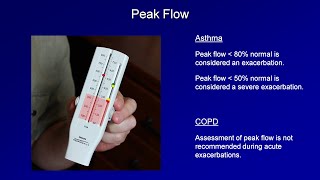
Asthma and COPD: Acute Exacerbations
Learn to identify and manage acute exacerbations in asthma and COPD, covering triggers, symptoms, treatment options, and potential complications. Gain practical skills for effective patient care.
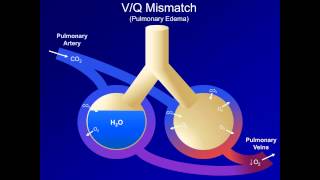
Hypoxia and Hypoxemia: Mechanisms and Etiologies - ABG Interpretation
Comprehensive review of hypoxemia mechanisms, including diffusion impairment, V/Q mismatch, and shunting. Explores etiologies and radiographic patterns for enhanced understanding of gas exchange abnormalities.
How to Perform a Preoperative Evaluation
Comprehensive guide to assessing surgical patients, predicting risks, and using key evaluation tools for optimal preoperative care.

Case Study - Pulmonary Embolism
Interactive lecture on diagnosing and managing pulmonary embolism. Covers patient history, vitals, differentials, diagnostic tests, and treatment strategies. Ideal for medical students and healthcare professionals.

Respiratory - Spirometry: Lung Volumes & Capacities
Comprehensive explanation of spirometry, lung volumes, and capacities. Learn key respiratory measurements and their significance in assessing lung function and diagnosing respiratory conditions.

COPD - Pathophysiology
Comprehensive exploration of COPD pathophysiology, covering key aspects of chronic obstructive pulmonary disease and its impact on respiratory function.

Deep Venous Thrombosis - Pulmonary Medicine
Comprehensive overview of Deep Venous Thrombosis (DVT) in pulmonary medicine, covering risk factors, pathophysiology, clinical presentation, diagnosis, and management strategies.
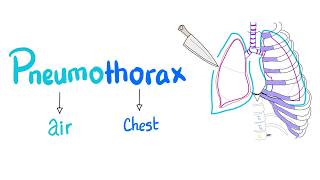
Pneumothorax - Spontaneous vs Tension Pneumothorax - Lung Physiology - Pulmonary Medicine
Comprehensive overview of pneumothorax types, causes, and clinical presentation. Explores lung physiology and management strategies for spontaneous and tension pneumothorax.

Tissue Hypoxia - Respiratory Physiology - Pulmonary Medicine
Explore tissue hypoxia causes, including ischemia, hypoxemia, and hemoglobin abnormalities. Learn about inadequate tissue oxygenation and its implications in respiratory physiology and pulmonary medicine.
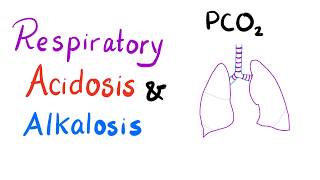
Respiratory Acidosis and Alkalosis - Acid-Base Imbalance
Comprehensive overview of respiratory acid-base disorders, covering causes, physiological mechanisms, and clinical implications of acidosis and alkalosis in the respiratory system.
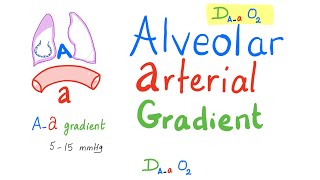
Alveolar-Arterial Gradient - Respiratory Physiology and Pathology - Pulmonary Medicine
Explore the Alveolar-arterial gradient in respiratory physiology, its calculation, and its role in differentiating lung diseases. Learn to interpret A-a gradient values for improved diagnosis.

Diffusion Capacity of Carbon Monoxide - Pulmonary Medicine
Comprehensive exploration of carbon monoxide diffusion capacity in lungs, covering physiological principles, measurement techniques, and clinical implications for respiratory health assessment.
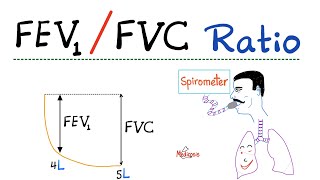
FEV1-FVC Ratio - Pulmonary Medicine - Obstructive vs Restrictive Lung Disease - Respiratory Physio
Explore FEV1/FVC ratio in pulmonary medicine, distinguishing obstructive and restrictive lung diseases through respiratory physiology concepts and diagnostic interpretations.
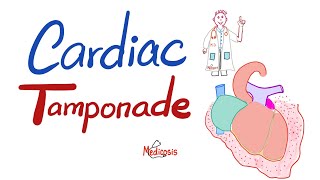
Cardiac Tamponade - Causes, Symptoms, Signs, Diagnosis & Treatment
Comprehensive overview of cardiac tamponade, covering causes, clinical presentation, diagnostic methods, and treatment options. Includes key signs like Beck's triad and pulsus paradoxus.

Updates in Sepsis - January 18, 2023
Explore recent advancements in sepsis management with Dr. Nassar, covering diagnosis, treatment strategies, and emerging research to improve patient outcomes in critical care settings.
Pulmonary Hypertension in 2019
Explore recent advancements in pulmonary hypertension diagnosis, treatment, and management with insights from a leading expert in pulmonary and critical care medicine.

Lipid Management 2018
Explore current strategies for managing lipid levels, including the latest research and treatment approaches in cardiovascular health and disease prevention.
Chronic Venous Insufficiency - Grand Rounds Lecture
Explore the causes, symptoms, and treatment options for chronic venous insufficiency with Dr. Firas Salti, an expert in internal medicine and vein health.

World Federation of Pediatric Intensive and Critical Care Societies - Insights from the President
Dr. Brenda Morrow discusses the World Federation of Pediatric Intensive & Critical Care Societies, its structure, goals, and upcoming Congress, offering insights for healthcare professionals in pediatric critical care.