Restrictive Lung Diseases - An Introduction - Pulmonary Medicine
Comprehensive overview of restrictive lung diseases, covering pathophysiology, diagnostic criteria, and clinical manifestations. Ideal for medical students and healthcare professionals seeking in-depth understanding of pulmonary disorders.
Pulmonary Causes of Fever - EMCert Module Mastery
Comprehensive review of pulmonary fever causes, focusing on pneumonia types, guidelines, and tuberculosis. Equips emergency physicians with key knowledge for diagnosis and management.
Ventilation, Hypoventilation and Hyperventilation - Pulmonary Medicine
Explore ventilation, hypoventilation, and hyperventilation effects on acid-base balance. Learn about respiratory rates, upper airway issues, and chronic emphysema in pulmonary medicine.
Latent Tuberculosis Infection - New Technology, Treatment, and Challenges
Explore advancements in diagnosing and treating latent tuberculosis, including new technologies, treatment options, and emerging challenges in managing this widespread infection.

The Alphabet Soup of Interstitial Lung Disease - 4/25/18
Comprehensive overview of Interstitial Lung Disease, covering diagnosis, classification, and treatment approaches for various types of ILD, presented by a pulmonology expert.
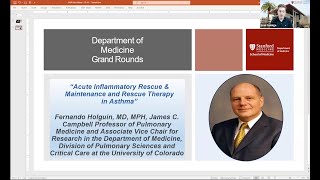
Acute Inflammatory Rescue and Maintenance Therapy in Asthma - 10 January 2024
Explore acute inflammatory rescue, maintenance, and rescue therapy in asthma with expert insights from Dr. Fernando Holguin of the University of Colorado.
Chronic Obstructive Pulmonary Disease (COPD) - Treatment Guidelines, Symptoms, and Management
Explore COPD's definition, types, causes, GOLD classification, symptoms, diagnosis, and treatment. Learn about emphysema types, mortality reduction measures, and complications in this comprehensive guide.
COPD Exacerbations - CRASH! Medical Review Series
Explore COPD exacerbations, their diagnosis, and management strategies in this concise medical review for healthcare professionals.

Acute Respiratory Distress Syndrome (ARDS) - Pathophysiology, Diagnosis, and Treatment - Lecture 1
Explore ARDS pathophysiology, diagnosis, and treatment. Learn key concepts for USMLE and NEET PG exams, including Berlin criteria, management strategies, and prognosis.
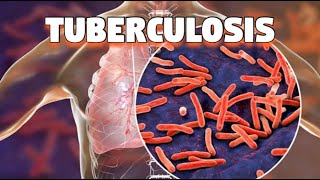
Tuberculosis - CRASH! Medical Review Series
Explore the latest updates on tuberculosis, covering diagnosis, treatment, and prevention in this concise medical review for healthcare professionals.

Emphysema - COPD - Pulmonary Medicine
Comprehensive overview of emphysema, covering pathogenesis, diagnosis, and clinical aspects. Includes comparisons to COPD and insights on pulmonary function tests for effective understanding and management.

Deep Venous Thrombosis - Pulmonary Medicine
Comprehensive overview of Deep Venous Thrombosis (DVT) in pulmonary medicine, covering risk factors, pathophysiology, clinical presentation, diagnosis, and management strategies.
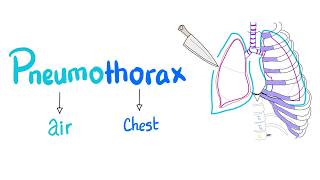
Pneumothorax - Spontaneous vs Tension Pneumothorax - Lung Physiology - Pulmonary Medicine
Comprehensive overview of pneumothorax types, causes, and clinical presentation. Explores lung physiology and management strategies for spontaneous and tension pneumothorax.

Tissue Hypoxia - Respiratory Physiology - Pulmonary Medicine
Explore tissue hypoxia causes, including ischemia, hypoxemia, and hemoglobin abnormalities. Learn about inadequate tissue oxygenation and its implications in respiratory physiology and pulmonary medicine.
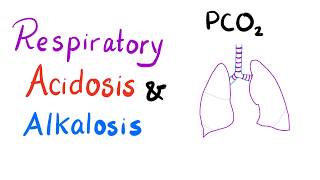
Respiratory Acidosis and Alkalosis - Acid-Base Imbalance
Comprehensive overview of respiratory acid-base disorders, covering causes, physiological mechanisms, and clinical implications of acidosis and alkalosis in the respiratory system.
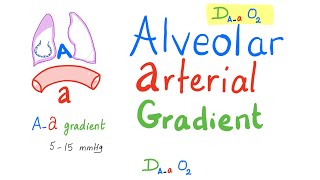
Alveolar-Arterial Gradient - Respiratory Physiology and Pathology - Pulmonary Medicine
Explore the Alveolar-arterial gradient in respiratory physiology, its calculation, and its role in differentiating lung diseases. Learn to interpret A-a gradient values for improved diagnosis.

Diffusion Capacity of Carbon Monoxide - Pulmonary Medicine
Comprehensive exploration of carbon monoxide diffusion capacity in lungs, covering physiological principles, measurement techniques, and clinical implications for respiratory health assessment.
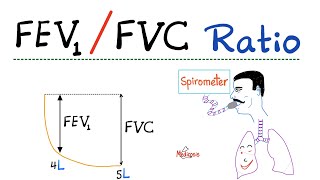
FEV1-FVC Ratio - Pulmonary Medicine - Obstructive vs Restrictive Lung Disease - Respiratory Physio
Explore FEV1/FVC ratio in pulmonary medicine, distinguishing obstructive and restrictive lung diseases through respiratory physiology concepts and diagnostic interpretations.

Updates in Sepsis - January 18, 2023
Explore recent advancements in sepsis management with Dr. Nassar, covering diagnosis, treatment strategies, and emerging research to improve patient outcomes in critical care settings.
Pulmonary Hypertension in 2019
Explore recent advancements in pulmonary hypertension diagnosis, treatment, and management with insights from a leading expert in pulmonary and critical care medicine.
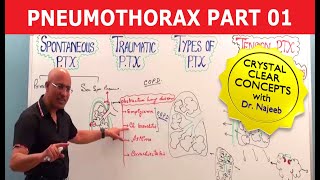
Pneumothorax: Basic Pathology - Part 1
Comprehensive exploration of pneumothorax pathology, covering causes, types, and mechanisms. Detailed explanations enhance understanding of this respiratory condition for medical students and professionals.