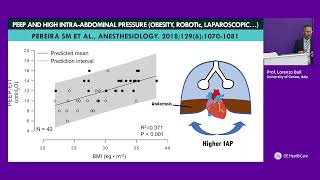
Intraoperative Ventilation: How to Be Protective?
Gain insights into protective intraoperative ventilation strategies and best practices with expert guidance from Prof. Lorenzo Ball in this educational session.
Pulmonary Causes of Fever - EMCert Module Mastery
Comprehensive review of pulmonary fever causes, focusing on pneumonia types, guidelines, and tuberculosis. Equips emergency physicians with key knowledge for diagnosis and management.

Overdiagnosis, the Concept - Jerome Hoffman, MD
Explore overdiagnosis in medicine, focusing on prostate cancer and pulmonary embolism. Learn about potential harms, screening controversies, and strategies for improvement in healthcare decision-making.
Ventilation, Hypoventilation and Hyperventilation - Pulmonary Medicine
Explore ventilation, hypoventilation, and hyperventilation effects on acid-base balance. Learn about respiratory rates, upper airway issues, and chronic emphysema in pulmonary medicine.

Critical Care - History and Hopes for the Future
Dr. Thompson explores PICU history, from polio units to modern care, highlighting technological advancements, changing roles, and future aspirations in pediatric critical care medicine.

Mechanical Ventilation of the Child - Part 2 with Dr. Peter Rimensberger
Exploración avanzada de la ventilación mecánica pediátrica, enfocada en PEEP, reclutamiento pulmonar y mecánica respiratoria, con el experto Dr. Rimensberger.
Identifying and Managing Low Cardiac Output - With Dr. Peter Laussen
Dr. Laussen discusses identifying and managing low cardiac output in critically ill children, covering clinical features, monitoring techniques, and various treatment options to enhance cardiac output.
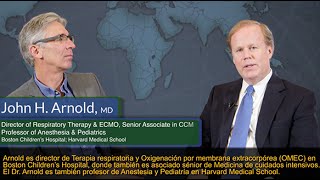
HFOV in Pediatric Patients - Where Are We? with Dr. John Arnold
Dr. John Arnold explores high frequency oscillatory ventilation in pediatrics, discussing recent trials, clinical applications, and best practices for this advanced respiratory support technique.

Pediatric Sepsis - Optimizing Management to Improve Patient Outcomes
Explore recent developments in pediatric sepsis management, including guidelines, hemodynamic support, immunomodulatory therapies, and the Sepsis RESCU Strategy for improved patient outcomes.

Hemodynamic Support in Pediatric Septic Shock
Expert insights on hemodynamic support strategies for pediatric septic shock, focusing on evidence-based approaches and current best practices in intensive care settings.

Physiology & Management of Heart Failure in the ICU with Dr. Schwartz
Comprehensive overview of acute and chronic heart failure management in ICU settings, focusing on physiological aspects and treatment strategies for critically ill patients.

Concepts of Recruitment and Their Application in the Newborn
Explore key concepts of alveolar recruitment, including opening/closing pressures, superimposed pressure, and time dependence, with applications to newborn lung aeration and diffuse alveolar diseases.

Tight Glycemic Control with Dr. Michael Agus
Dr. Michael Agus discusses tight glycemic control in pediatric critical care, exploring its biological rationale, historical use, and potential benefits for critically ill children after cardiac surgery.
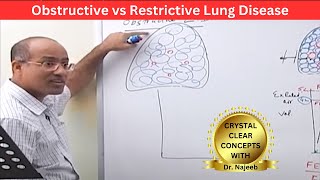
Obstructive vs Restrictive Lung Disease - Pulmonary Function Test Analysis
Comprehensive exploration of obstructive and restrictive lung diseases, focusing on their characteristics, causes, and diagnostic methods using pulmonary function tests and spirometry findings.
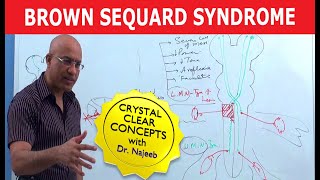
Brown-Sequard Syndrome - Internal Medicine
Comprehensive exploration of Brown Sequard Syndrome, covering pathophysiology, clinical presentation, diagnosis, and management strategies in internal medicine.

How Does Antimicrobial Resistance Affect Us - Expert Panel Discussion
Explore the impact of antimicrobial resistance across pathology specialties with expert insights on patient safety, challenges, and future implications.

Nephrology & Biochemistry Cases for USMLE
Explore high-yield nephrology and biochemistry cases for USMLE, covering metabolic acidosis, nephrotic syndrome, and more. Enhance your understanding of key concepts for board exams.
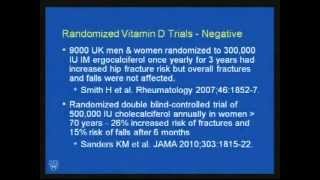
Clinical Approaches to Controversies in Osteoporosis Therapy - 12/6/12
Explore controversies in osteoporosis treatment with Dr. Wermers, addressing clinical approaches and current debates in therapy for improved patient care and bone health management.
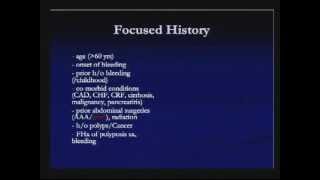
GI Bleed: Diagnosis and Treatment
Comprehensive overview of gastrointestinal bleeding diagnosis and treatment methods, covering assessment techniques, management strategies, and latest advancements in the field.
Latent Tuberculosis Infection - New Technology, Treatment, and Challenges
Explore advancements in diagnosing and treating latent tuberculosis, including new technologies, treatment options, and emerging challenges in managing this widespread infection.
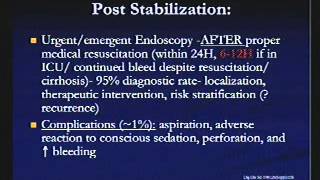
Gastrointestinal Bleeding: Diagnosis and Treatment
Comprehensive overview of gastrointestinal bleeding, covering diagnostic approaches and treatment strategies for various types of GI bleeds, presented by a gastroenterology expert.