Build an AI App on Streaming Data with Azure Databricks SQL and Genie
Discover how to build AI-powered data workflows by integrating Azure Databricks SQL, Genie APIs, and Power BI for seamless data connectivity, governance, and natural language querying capabilities.

Innovating Industries with AI by Converging OT and IT Data - ODFP948
Discover how Hitachi leverages AI to revolutionize Energy, Manufacturing, and Mobility sectors by combining operational and information technology expertise with real-world applications.

Passwordless Authentication and Cyber Resilience with YubiKey and Microsoft Entra ID
Discover how YubiKey integration with Microsoft solutions enhances cyber resilience through passkey implementations, robust authentication flows, and FIDO2 registration for Entra ID compliance and security.

Introducing Azure AI Foundry Agent Service to Scale Your AI Agents - BRK102
Discover how Azure AI Foundry Agent Service enables scalable AI agent integration, featuring real-world examples from Thermo Fisher's multi-agent system and practical implementation strategies.
Ingest, Govern and Secure Your Data with OneLake
Discover how OneLake's latest capabilities streamline data management across multi-cloud environments, with advanced mirroring and governance tools to enhance organizational data security and insights.

Microsoft Fabric - What's New and What's Next
Discover the latest innovations in Microsoft Fabric's unified analytics platform, including new SaaS databases and AI-powered capabilities for accelerating business transformation and data analytics.
Secure and Govern Data in Microsoft 365 Copilot and Beyond
Discover essential strategies and new capabilities for securing AI applications, addressing data privacy concerns, and implementing robust governance frameworks for Microsoft 365 Copilot deployment.
How to Automate Microsoft 365 Copilot Readiness and Accelerate Secure Adoption
Master automated data readiness strategies for M365 Copilot implementation, focusing on security, quality optimization, and maximizing ROI through practical steps and proven methodologies.
How to Run Your VMware Workloads in Azure with Azure VMware Solution
Master VMware workload migration to Azure through expert guidance on assessment, live migration, networking, security implementation, and database migration strategies for SQL Server and Oracle.

IT Strategies for Microsoft Copilot Administration - Session BRK281
Master essential IT administration strategies for implementing Microsoft Copilot and M365 Copilot, covering cloud app discovery, data protection, and organizational readiness steps through the M365 admin center.
Enhancing IT Pro and Developer Productivity with Advanced Windows Tools - Session 306
Master essential productivity tools like PowerToys, WSL, Windows Terminal, and WinGet through expert tips and tricks for streamlined IT and development workflows.

Simpler, Smarter and More Secure Endpoint Management with Microsoft Intune - Session 319
Discover how Microsoft Intune and AI revolutionize endpoint security through data analysis, risk mitigation, and simplified IT workflows with Copilot integration for enhanced operational efficiency.
Security Innovation to Strengthen Cyber Defense in the Age of AI - Session 7
Discover cutting-edge security innovations and AI-powered cyber defense strategies to protect organizations against emerging threats while safely implementing AI technologies in your security infrastructure.
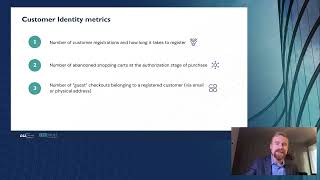
Zero Trust and the Identity Imperative - Building Resilience Against Emerging Threats
Discover how to strengthen Zero Trust security through identity management, following NIST guidelines while addressing modern threats like phishing and shadow IT to improve organizational resilience.
Zero Trust Principles for AI Security and Protection
Explore the critical intersection of Zero Trust principles and AI security, learning strategies to protect autonomous systems and safeguard data integrity in AI environments.
Keyboards, Kiosks, and Kubernetes - Containerizing HID Workloads
Discover how to containerize GUI applications and kiosks in Kubernetes, enabling efficient device management, resource sharing, and enhanced security while maintaining host/workload decoupling.
Policy-as-Code for Infrastructure-as-Code with OPA and OpenTofu
Discover how to automate infrastructure management using Open Policy Agent (OPA) and OpenTofu, implementing policy-as-code to prevent unwanted changes and enforce compliance standards.
Reinventing Seccomp with eBPF and KRSI for Enhanced Kernel Security
Explore how eBPF and KRSI can enhance Linux kernel security beyond traditional Seccomp capabilities, with practical demonstrations for implementing advanced syscall filtering in containerized environments.
How to Use XDP and eBPF to Accelerate IPSec Throughput by 400%
Discover how to dramatically boost IPSec network performance using XDP and eBPF techniques, with practical implementation steps and benchmark analysis for achieving up to 400% throughput improvement.
Bridging the DevOps to Data Divide with a Common Cloud Native Stack
Discover how to apply DevOps practices to data operations using cloud native tools, implementing databases in Kubernetes, and managing data as code through GitOps methodologies and best practices.
Kubernetes as Your DBA - Automating Database Management and Administration
Discover how Kubernetes Operators can automate database management and serve as virtual DBAs, handling deployment, monitoring, high availability, and upgrades in cloud-native environments.