Leveraging Generative AI for Data Processing and Database Management
Explore how generative AI advances transform data management, from automated database tuning to natural language pattern mining and SQL code synthesis, with insights from Cornell's cutting-edge research.
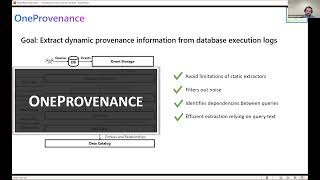
Provenance Research in Data Management Systems at Microsoft
Explore Microsoft's innovative research on provenance systems, including OneProvenance and DSProvenance engines, focusing on data lineage tracking, metadata management, and enterprise-scale data governance solutions.

Evaluating Temporal Persistence of Information Retrieval Models - CLEF 2024 LongEval
Explore how information retrieval systems adapt to evolving web content and search queries, examining temporal performance decline and necessary updates through the LongEval-Retrieval track analysis.

Coolify - Deploy and Manage Services Locally or on Remote Servers
Master the deployment of applications and services with Coolify - a powerful platform for managing local and remote server deployments, featuring an intuitive UI and comprehensive configuration options.
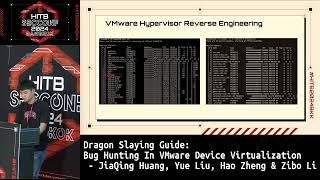
Bug Hunting in VMware Device Virtualization - A Dragon Slaying Guide
Delve into advanced VMware device virtualization security, exploring undiscovered attack surfaces in VMKernel, USB, and SCSI systems while learning vulnerability detection techniques from expert researchers.

Инструменты и практики SRE - Освобождение от рутины и достижение гладкой работы систем
Discover effective SRE practices and tools for streamlining system operations, automating routine tasks, and implementing robust incident management strategies for improved team efficiency.

Как внедрить SLO в продукт и получить от этого пользу
Discover practical insights into implementing SLO within your product, exploring real-world examples, challenges, and benefits for balancing service reliability with development speed.
Mobile Device Security Threats: Malware Distribution and Corporate Vulnerabilities - Lecture 3
Explore mobile device security vulnerabilities and malware threats like Pegasus, understanding how personal phones can compromise corporate cybersecurity through various attack vectors and data extraction methods.
Insecure Remote Operations: Windows Living Off the Land Techniques - Session 8
Dive into Windows remote operations security, exploring protocols, APIs, and admin tools through real-world examples. Learn powerful techniques for both defensive and offensive security operations.
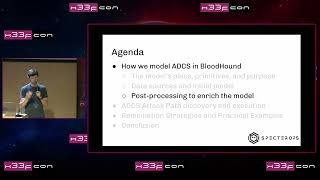
Analyzing and Executing ADCS Attack Paths with BloodHound
Discover how to identify, analyze, and execute ADCS attack paths using BloodHound, while learning practical remediation strategies for defending against PKI-based privilege escalation in Active Directory environments.

NTLM Relay Attacks - An OPSEC-Conscious Approach to Port 445 Takeover
Discover a stealthy technique for NTLM relay attacks by hijacking port 445/tcp, featuring reverse engineering insights and automation tools for enhanced SMB-based operations with minimal detection risk.

Reducing Trauma in Production with SLOs and Chaos Engineering
Discover how to enhance system reliability through Service Level Objectives and Chaos Engineering practices, focusing on error budgets, compliance, and resilience to improve customer experience and reduce production issues.

Getting Ready for the Multi-Architectural Universe - Building Flexible DevOps Pipelines
Discover how to transform DevOps pipelines for multi-architecture deployment, covering parallel builds, cross-compilation, and cost-effective infrastructure optimization for ARM-based processors.

The Action Group Model for Incident Response
Discover a flexible framework for coordinating incident response teams, improving support structures, and developing staff capabilities during security incidents.

The Action Group Model for Incident Response
Discover a flexible framework for coordinating incident response teams, improving support structures, and developing staff capabilities during security incidents.

Active Directory and DNS: A Match Made in Heck - Understanding Directory Services Integration
Dive into the intricate relationship between Active Directory and DNS, exploring security implications, management strategies, and best practices for maintaining a robust directory service infrastructure.

Protecting Yourself From Supply Chain Attacks - Trust Is Overrated
Discover practical strategies and tools for validating hardware and software integrity, minimizing supply chain risks, and implementing effective security measures across your technology stack.
Purple Teaming: Attack Simulation and Control Validation with Atomic Red
Discover how to leverage Atomic Red Team for simulating cyber attacks, validating security controls, and improving SOC effectiveness through practical demonstrations and MITRE framework mapping.

Protect Your Most Sensitive Users with Protected Users Group in Windows Server
Discover how Windows Server's Protected Users Group safeguards sensitive accounts, learn its attack-thwarting capabilities, and implement practical strategies for enhanced security in Active Directory environments.
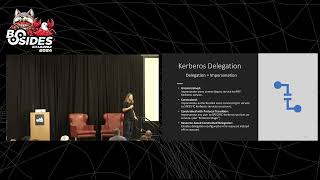
The Current State of Microsoft Identity Security - Common Security Issues
Explore modern identity security challenges in Microsoft environments, focusing on Active Directory and Azure AD vulnerabilities, recent breaches, and essential defensive strategies.
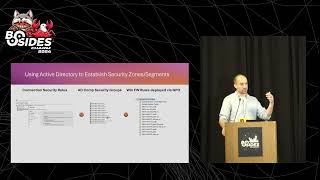
Network Segmentation Using Windows Host-Based Firewall and Group Policy
Master Windows network segmentation using Group Policy to deploy host-based firewall rules, control communication between security zones, and manage endpoints through Active Directory security groups.