
Cities Skylines II Malware - Full Reverse Engineering Analysis
Dive into a comprehensive reverse engineering analysis of malware targeting Cities Skylines II, exploring detection methods, threat intelligence, and cybersecurity implications through detailed technical breakdown.

NGINX Tutorial - Building a Node.js Application with Docker and Load Balancing
Master NGINX fundamentals through hands-on practice: configure reverse proxy, implement load balancing, and set up HTTPS with Docker and Node.js in a real-world project scenario.

Building Secure ReactJS Applications: Mastering Advanced Security Techniques
Master advanced security techniques for ReactJS applications, from XSS protection to template injection defense, server-side rendering security, and implementing robust access control mechanisms.
Reviewing NuGet Packages Security Using OpenSSF Scorecard
Discover how to assess NuGet package security using OpenSSF Scorecard, focusing on maintenance quality, workflow safety, and security tools implementation for better application security.

Building a Browser-Based Code Editor with TypeScript and Deno Subhosting
Discover how to create a secure browser-based code editor using TypeScript and Deno Subhosting, enabling safe execution of third-party code for interactive developer sandboxes and API demonstrations.
Cracking the Furby Code: The Path to Evolve an Icon
Discover the fascinating journey of reverse engineering the iconic Furby toy, exploring its hardware, software, and how modern technology can unlock its full potential for creative modifications and reanimation.
Using AI for Secure Code Creation - Enhancing Software Security
Discover how AI revolutionizes secure code development through automated vulnerability detection, machine learning-driven security monitoring, and enhanced code analysis techniques for robust application security.
Attack, Defense and Danger in the Age of AI
Explore the dual nature of AI in cybersecurity, from attack vectors and defense mechanisms to risk management strategies, with practical demonstrations and countermeasure techniques.

WebAssembly and the Component Model - The Future of Software Development
Discover how WebAssembly and the Component Model are revolutionizing software development, from browser-based applications to cross-language ecosystem integration and standardized module communication.

Securing with Love: A Philly Style Approach to Cloud Safety
Discover how security and development teams can collaborate effectively on cloud applications, focusing on practical steps like threat modeling, risk assessment, and maintaining robust security practices.

Ethical Hacking for Developers - A Guide to Bug Bounty Programs and Security Vulnerabilities
Discover how to enter the world of ethical hacking and bug bounty hunting, from its history to practical strategies for finding vulnerabilities and earning rewards while contributing to cybersecurity.
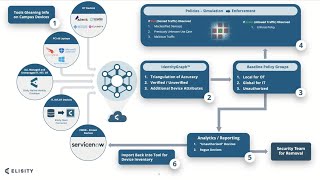
Microsegmentation Challenges and Goals in Pharmaceutical and Healthcare Industries
Discover how microsegmentation addresses cybersecurity challenges in manufacturing, pharmaceutical, and healthcare sectors, focusing on securing legacy systems while maintaining regulatory compliance and operational continuity.
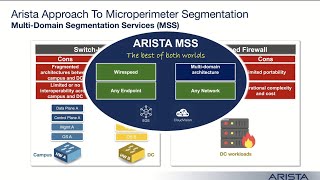
Arista Multi-Domain Segmentation - Zero Trust Networking with CloudVision
Discover how CloudVision enables zero trust networking through flexible identity-based microsegmentation, offering enterprise-wide security orchestration and comprehensive monitoring across multiple domains.
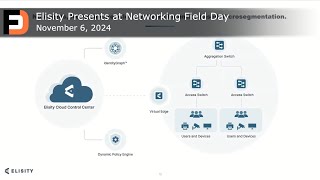
Optimizing Microsegmentation Architecture with Identity-Based Security
Discover how Elisity's cloud-native microsegmentation architecture enables identity-based security controls, leveraging machine learning and dynamic policy enforcement for zero-trust implementation in critical environments.

Model Stealing for Low-Rank Language Models Through Reverse Engineering
Discover groundbreaking mathematical techniques for reverse-engineering language models through conditional queries and barycentric spanners, exploring MIT's innovative approach to model extraction.

OWASP MASVS and Mobile App Security Threats - Understanding Resilience and Reverse Engineering in 2023
Explore mobile app security threats and defense strategies through OWASP MASVS framework, focusing on reverse engineering protection and resilience guidelines for modern application security.

UIHash: Detecting Similar Android UIs through Grid-Based Visual Appearance Representation
Explore a novel grid-based approach for detecting similar Android user interfaces, focusing on security measures against UI spoofing and phishing through advanced visual appearance analysis.
Understanding Page Spray in Linux Kernel Exploitation
Dive into an advanced analysis of Page Spray exploitation in Linux kernel security, exploring root causes, exploitation models, and mitigation strategies for enhanced system protection.
INSIGHT: Attacking Industry-Adopted Learning Resilient Logic Locking Techniques Using Explainable Graph Neural Network
Discover how INSIGHT, an explainable Graph Neural Network attack method, breaks through learning resilient logic locking techniques used in hardware security and IP protection.
DARKFLEECE: Probing the Dark Side of Android Subscription Apps
Discover how DARKFLEECE detects malicious subscription apps on Android through dark pattern analysis, featuring a 93.43% accurate automated detection system and insights for developers, users, and regulators.

Gradients Look Alike: Sensitivity is Often Overestimated in DP-SGD
Explore how DP-SGD provides stronger privacy guarantees for similar datapoints in deep learning, revealing why common benchmarks leak less information than previously estimated.