
SPIFFE: Universal X509 and JWT Identities Using cert-manager
Discover how to implement SPIFFE identities in Kubernetes using cert-manager, enabling secure workload authentication and third-party API integration without vendor lock-in.
SPIFFE Deployments in Non-Kubernetes Environments - Implementing Identity Management for Linux Workloads
Explore SPIFFE implementation challenges and solutions for Linux environments beyond Kubernetes, focusing on workload attestation and identity management for non-cloud native deployments.
Disrupting the Software Composition Analysis Market with Open Source Software and Open Data
Explore how SCANOSS challenges the Software Composition Analysis market through open-source strategies, market trends, and innovative approaches to SBOM adoption and emerging technologies.
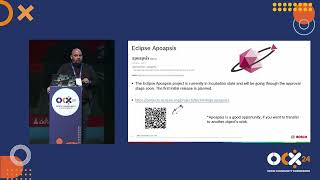
Software Composition Analysis at Scale with Eclipse Apoapsis
Discover how to implement large-scale Software Composition Analysis using Eclipse Apoapsis, focusing on SBOM generation, vulnerability tracking, and license compliance through automated server-based solutions.
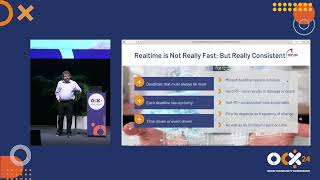
Bringing Memory Safety to Time Critical Embedded Systems for Automotive and Industrial Systems
Explore memory safety solutions for time-critical embedded systems, covering deterministic garbage collection, Rust, Realtime Java, and OSGi implementations in automotive and industrial applications.
Navigating a Security Audit: Insights, Challenges and Lessons Learned from Temurin JDK
Gain insights into security audit processes, from preparation and execution to post-audit actions, based on real experiences with external auditors in the Temurin JDK project.
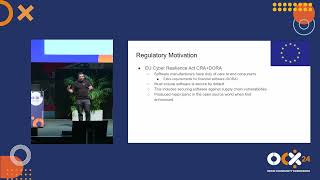
A Java Developer's Guide to Supply Chain Security
Discover essential software supply chain security practices for Java development, from SBOMs and automated builds to vulnerability management and secure distribution methods.

Hello World+ Projects to Test and Benchmark Software Composition Analysis Tools
Explore software composition analysis tools through Hello World+ projects, focusing on vulnerability detection, license compliance, and SBOM creation for diverse programming environments.

Enhancing Software Supply Chain Security: Approaches to Software Composition Analysis
Explore software composition analysis tools Eclipse Steady and OWASP Dependency-Check to enhance Java software supply chain security through vulnerability detection in third-party dependencies.
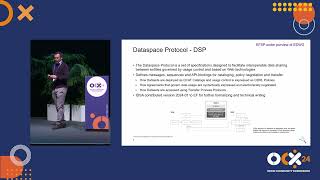
Eclipse Dataspace Components Framework for Cross-Company Data Sharing - OCX 2024
Explore the evolution of Dataspace concepts and learn how Eclipse Dataspace Components Framework enables secure cross-organizational data sharing with policy management and standardized protocols.

D-LINK NAS Security Bug Analysis and Firmware Vulnerability
Dive into a critical analysis of D-LINK NAS's unpatched firmware vulnerability, exploring security implications and understanding the technical oversight in network storage systems.

Model-Based Input Validation - Preventing Prompt Injection Attacks
Discover effective strategies for preventing prompt injection attacks through model-based input validation techniques, with practical demonstrations and comprehensive testing approaches.

AI Workflows with Kafka and Modern Architectures
Discover how to build secure, real-time AI workflows using Apache Kafka, exploring key features, integration patterns, and zero-trust architecture implementation for robust AI data pipelines.

Testing LLM-Powered Applications - Best Practices and Evaluation Methods
Master essential strategies and methodologies for testing LLM applications, covering security concerns, evaluation metrics, adversarial testing, and practical tools for building robust AI systems.

Securing IoT Integrations with Third-Party Services
Explore essential security strategies for IoT integrations with third-party services, covering challenges, privacy concerns, and best practices through a practical smart city case study.

Ethical Dimensions of AI in Educational Technology
Explore critical ethical considerations in educational technology, from privacy and data protection to equity concerns, while examining responsible AI implementation strategies and digital well-being.

The Disruptive Potential of On-Device LLMs
Explore the transformative world of on-device LLMs, their advantages over traditional models, real-world applications, and future potential in AI technology through practical demonstrations and case studies.
Crafting Hyper-Relevant User Experiences with AI-Powered Personalization
Discover how to create personalized user experiences using AI, from data collection and ethical considerations to implementation strategies and future trends in real-time personalization at scale.

Evil Tech: How Developers Became Villains - The Ethics of Modern Software Development
Explore the transformation of developers from celebrated innovators to scrutinized figures, examining ethical dilemmas in modern tech development and the balance between progress and responsibility.
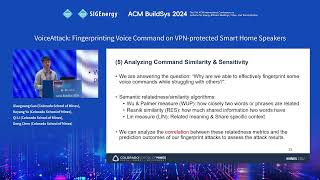
VoiceAttack: Fingerprinting Voice Commands on VPN-Protected Smart Home Speakers
Uncover how voice commands on VPN-protected smart speakers can be fingerprinted and potentially compromised, exploring security vulnerabilities in smart home systems.
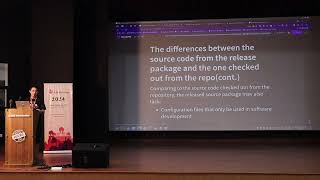
How to Extract the XZ Backdoor Malware Payload
Discover essential techniques for analyzing and extracting XZ backdoor malware payloads, focusing on security investigation and threat assessment methodologies.