Threat Intelligence Contextualized Knowledge Base
Explore advanced threat intelligence techniques using contextualized knowledge bases to enhance cybersecurity defenses and improve incident response capabilities.
Building a Security Ecosystem with MISP and McAfee
Explore the integration of MISP and McAfee technologies to enhance threat intelligence sharing and create a robust security ecosystem for improved cybersecurity.
Automated Cloud-Native Incident Response with Kubernetes and Service Mesh
Explore automated incident response in cloud-native environments using Kubernetes and service mesh. Learn best practices, tools, and techniques for effective security management and threat mitigation.
Digital Forensics and Incident Response in Containerized Environments
Explore Digital Forensics and Incident Response (DFIR) techniques for containerized applications, focusing on Kubernetes. Learn best practices for evidence collection and incident containment in modern cloud environments.

Cyber Crash Investigations: Learning from Past Crises
Explore insights from cyber crisis investigations, focusing on prevention, impact reduction, and effective response strategies. Learn from real-world case studies to enhance organizational readiness.

Google Workspace Forensics - Insights from Real-World Hunts and Incident Response
Insights on threat hunting and incident response in Google Workspace, focusing on data exfiltration from Google Drive. Learn forensic investigation techniques for GWS logs from real-world cases.
How to Handle Getting Dumped: Compromised Passwords
Learn strategies for managing password breaches, including identifying sources, responding effectively, and maximizing value while avoiding pitfalls in the aftermath of a company account compromise.

Authentication Proxy Attacks: Detection, Response and Hunting
Explore tactics for detecting and responding to MFA-enabled account takeover attacks using authentication proxies. Learn to hunt, mitigate, and block these emerging threats effectively.

Are The Lessons on Security Incident and Vulnerability Management Learned?
Explore lessons learned in security incident and vulnerability management, examining current practices and potential improvements in cybersecurity strategies.

Automated Incident Response - Streamlining Processes and Enhancing Efficiency
Explore innovative Slack-based tools for streamlining incident response processes, reducing overhead, and enhancing efficiency through automation and integration with critical cloud-based systems.
Ensuring IoC Quality at CERT-FR - Hack.lu 2023
Explore CERT-FR's strategies for maintaining high-quality Indicators of Compromise (IoCs) in cybersecurity incident response and threat intelligence.
Kunai - A New Threat Hunting Tool for Linux
Discover Kunai, an innovative threat hunting tool for Linux systems. Learn its features, capabilities, and how it enhances cybersecurity through advanced detection techniques.

Disclosure, Hack and Back - Vulnerability Reporting and Cybersecurity Insights
Explore real-world vulnerability reports and hacking incidents, revealing common mistakes in both corporate security responses and cybercriminal operations. Gain insights into improving cybersecurity practices.

Cyberattacks on MGM and Caesars - Recent Casino Breaches
Analysis of recent cyberattacks on major casino companies, exploring threat actors, breach methods, and implications for cybersecurity in the hospitality industry.

Lazarus Group's Undercover Operations in South Korea 2022-2023
Detailed analysis of Lazarus Group's recent cyber campaigns in South Korea, covering infiltration methods, lateral movement techniques, and data exfiltration strategies used by this sophisticated threat actor.
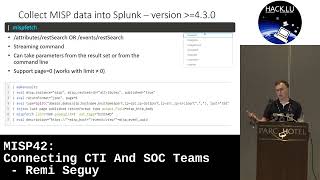
Connecting CTI and SOC Teams - MISP42
Explore strategies for bridging the gap between Cyber Threat Intelligence and Security Operations Center teams, enhancing collaboration and threat response capabilities.
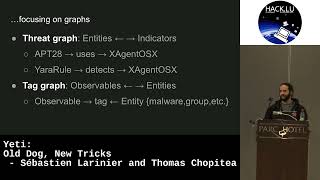
Yeti - Old Dog, New Tricks in Cybersecurity
Explore Yeti's latest advancements in threat intelligence, including new features and capabilities for enhanced cybersecurity analysis and investigation.
Using Data-Driven Metrics to Anticipate and Prevent Security Incidents
Learn how GitHub's PSIRT Engineering team uses data-driven metrics and variant analysis to anticipate and prevent security incidents, reducing pressure on incident response and enhancing product security.
A Practical Method of Finding Vulnerabilities in IoT Devices
Practical methodology for identifying IoT vulnerabilities and intrusion artifacts, focusing on data collection procedures to improve acquisition methods for general IoT devices.
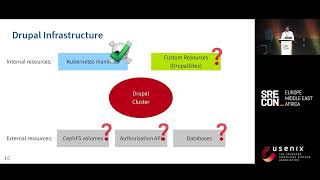
When One Line Took Thousands of Websites Offline - Lessons from a Kubernetes Incident
Explore a critical incident where a single configuration change caused widespread website outages, examining the recovery process, lessons learned, and subsequent improvements in Kubernetes infrastructure.

SRE for Cybersecurity - Lessons from Google's Infrastructure Security
Lessons learned from leading Google's SRE teams for infrastructure security, Cloud Security products, and global resilience, with insights for enterprise CISOs and Boards of Directors.