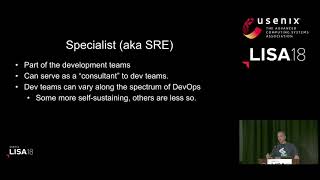
SRE and DevOps at a Startup
Exploring SRE and DevOps implementation strategies for startups, comparing centralized and distributed team approaches, and discussing challenges and lessons learned.
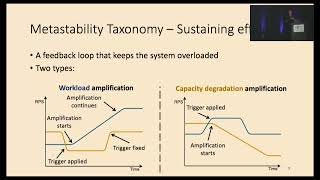
Metastable Failures in the Wild
Explores metastable failures in distributed systems, analyzing real-world incidents to categorize triggers and amplification mechanisms, aiding understanding and potential solutions for this prevalent issue.
The Origins of USAA's Postmortem of the Week
Discover USAA's journey in establishing an IT-wide Postmortem Review meeting, with tips for implementing your own large-scale review process. Learn from their experiences and insights.
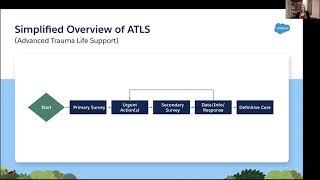
When Systems Flatline - Enhancing Incident Response with Learnings from the Medical Field
Explore how medical field strategies can enhance incident response in tech systems, from algorithm-guided decisions to standardized protocols for effective management and resolution.
Spike Detection in Alert Correlation at LinkedIn
Discover how LinkedIn uses spike detection in alert correlation to quickly identify root causes of outages in their complex microservices architecture, reducing false positives and engineer toil.
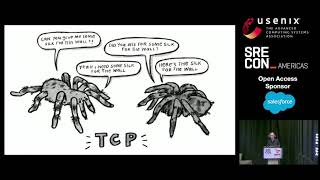
Optimizing for Learning
Explore cognitive science techniques to enhance SRE learning, incident response, and team collaboration. Optimize human observability for better system understanding and problem-solving.

Choose Your Own Adventure Ransomware Response
Interactive ransomware response simulation based on real cases. Audience-driven decisions guide the incident response journey, exploring various scenarios, threat actors, and unexpected twists in cybersecurity.
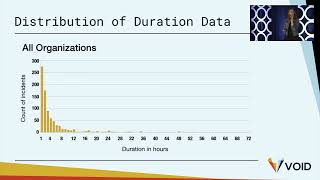
Tales from the VOID - The Scary Truth about Incident Metrics
Challenges industry-standard incident metrics, proposing alternative approaches for better system resilience. Explores VOID database insights to improve incident response and organizational learning.
Building Resilience - How to Learn More from Incidents
Discover strategies to enhance organizational resilience through improved incident learning. Explore research-backed approaches to post-incident reviews and avoid common investigation pitfalls.
Ten Persistent SRE Antipatterns - Pitfalls on the Road to a Successful SRE Program
Explore common pitfalls in Site Reliability Engineering and learn strategies to build successful SRE programs, drawing insights from industry leaders like Netflix and Google.

Lessons Learned from a Ransomware Attack
Comprehensive analysis of a real-world ransomware attack on a school district, covering timeline, damage, recovery, and preventive measures for future cybersecurity preparedness.
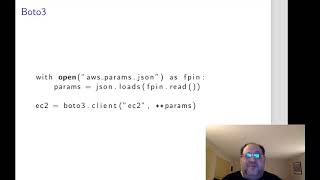
Jupyter as Incident Response Tool
Explore using Jupyter for incident response in SRE, showcasing its dynamic exploration and result-sharing capabilities through a simulated cache slowdown scenario and post-incident best practices.
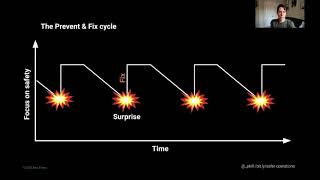
Are We Getting Better Yet? - Progress Toward Safer Operations
Exploring progress in safer operations, this talk delves into effective incident analysis, organizational learning, and strategic investments for improved reliability and team well-being.
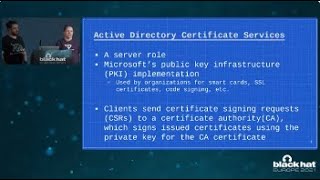
Recertifying Active Directory Certificate Services
Explore AD CS vulnerabilities, attack vectors, and defense strategies for securing Microsoft's PKI implementation. Learn escalation scenarios, auditing techniques, and incident response.
APTs Go Teleworking - The Rise of VPN Exploits
Explore the rise of VPN exploits amid increased remote work, focusing on Pulse Secure vulnerabilities, incident response challenges, and threat actor tactics in cyber espionage campaigns.
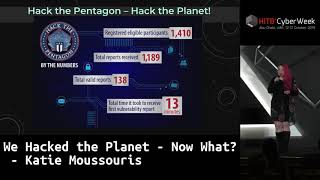
We Hacked The Planet - Now What?
Explore the evolution of cybersecurity, from hacking to bug bounties, and its impact on policy, workforce, and vulnerability management. Gain insights into future challenges and solutions.
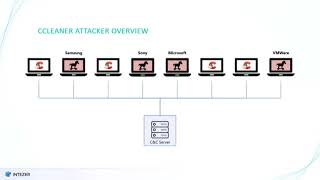
Supply Chain Attack Through CCleaner - Evidence Aurora Operation Still Active
Análisis detallado del ataque de cadena de suministro a CCleaner, explorando su sofisticación, objetivos y conexiones con el grupo APT17/Axiom, destacando la persistente amenaza de ataques estatales avanzados.
Starting a Security Program - Thrills and Spills
Insights on building a security program, emphasizing emotional intelligence, cross-team collaboration, and shared responsibility to achieve compliance and meet customer demands.
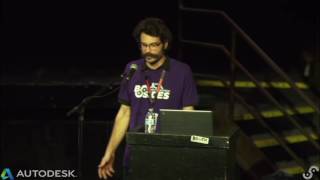
Make Alerts Great Again
Strategies for creating effective, actionable security alerts: improving signal-to-noise ratio, standardizing definitions, and implementing self-service tools to enhance team efficiency and incident response.

Ferris Bueller's Guide to Abuse Domain Permutations
Explore techniques for detecting and defending against domain permutation attacks, including homoglyphs and typo-squats, to enhance cybersecurity and prevent fraud.
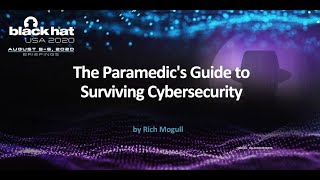
The Paramedic's Guide to Surviving Cybersecurity
Discover techniques to improve effectiveness and mental resiliency in cybersecurity, drawing parallels from emergency medical services to enhance your career and daily practice.