Tensorflow, Deep Learning and Modern RNN Architectures - Without a PhD
Explore modern RNN architectures and deep learning techniques for image recognition, natural language processing, and reinforcement learning. Gain practical tips and engineering best practices for applying these advanced technologies.
Tensorflow and Deep Reinforcement Learning, Without a PhD
Explore TensorFlow and deep reinforcement learning, covering neural network architectures, recent advances, and practical applications in image recognition, NLP, and AI game-playing.
Image Recognition with Deep Learning - From Prototype to Production
Explore image recognition using deep learning, from prototype to production. Learn to develop and implement neural networks for clothing characteristic detection, with insights on training, deployment, and front-end integration.
Minecraft and Reinforcement Learning
Explore reinforcement learning in AI using Minecraft as a testing ground. Learn problem-solving techniques, image recognition, and practical applications through Project Malmo.
Augmented Reality - Challenges & Writing AR Experiences in JavaScript
Explore augmented reality challenges and learn to create AR experiences using JavaScript, focusing on key components, architectures, and practical implementation techniques.

Neuroscience and Artificial Intelligence Need Each Other
Exploring the symbiotic relationship between neuroscience and AI, highlighting how brain imaging and machine learning advance our understanding of cognition and improve AI algorithms for visual recognition tasks.
How We Teach Computers to Understand Pictures
Explore the cutting-edge of computer vision as Fei-Fei Li discusses teaching machines to interpret images, showcasing a 15-million-photo database and future possibilities in artificial intelligence.
The Future of Machine Learning and JavaScript
Explore AI-powered JavaScript apps using TensorFlow.js and APIs. Learn to build innovative applications without extensive math knowledge, opening new possibilities for JavaScript developers in machine learning.
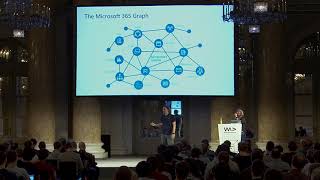
Develop Intelligent Apps for the Modern Workplace
Explore building intelligent workplace apps using business data, adaptive cards, and serverless computing. Learn to implement image recognition and OCR for enhanced user experiences in line-of-business solutions.

How Human Abilities Define Digital Experiences
Explore how human abilities shape digital experiences, focusing on motor systems, vision, and cognitive abilities for improved accessibility and user-centered design.
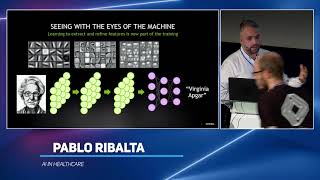
AI in Healthcare
Explore AI's potential in healthcare, from image recognition to diagnosis assistance. Discover current efforts, challenges, and future possibilities in medical technology advancements.
Don't Fear Our New Robot Overlords
Explore GoldenEye: a Python-based setup combining robotics and image recognition for mobile front-end testing, offering an innovative approach to device-agnostic quality assurance.
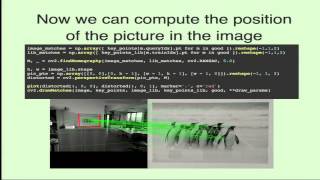
Image Recognition and Camera Positioning with OpenCV - A Tourist Guide Application
Explore image recognition and camera positioning using OpenCV Python bindings for a tourist guide application, applied to recognizing paintings in museums.
Building a Powerful Pet Detector in Notebooks
Learn to build and deploy an AI-powered pet breed detector using Azure Notebooks, TensorFlow, and transfer learning techniques. Optimize the model for improved accuracy and create a web service.
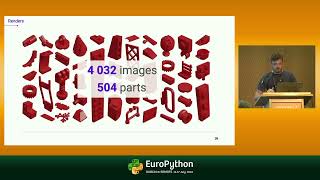
Classifying LEGO Bricks with Machine Learning
Explore the journey of creating a LEGO brick recognition application using Python, covering dataset creation, machine learning approaches, and practical insights for implementation.
From Zero to Deep Learning Enhanced App
Practical insights on developing a Deep Learning Android app, from data collection to production deployment using TensorFlow, with tips on choosing the right approach and best practices.
Kubernetes IoT Edge Working Group - Applications at the Edge
Exploring edge application development with Kubernetes, covering IoT solutions, video processing, and industrial IoT. Discusses best practices, operational considerations, and available tools for edge workloads.
How to Build a Cloud Native Image Recognition Solution
Learn to build a cloud-native image recognition solution using Fn Project, AutoML NLP, and Kubernetes. Discover how to create serverless functions, leverage machine learning for document analysis, and store data in NoSQL databases.
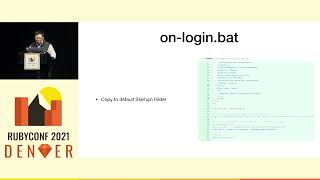
Automating Legacy Desktop Applications with JRuby and Sikuli
Explore automating legacy desktop apps using JRuby and Sikuli. Learn to create a Robotic Process Automation framework with image recognition and Minitest for efficient testing and maintenance.
Accessing the Google Cloud Platform with C#
Explore Google Cloud Platform integration for C# developers, covering design decisions, code generation, versioning, and balancing simplicity with customization for optimal cloud service utilization.
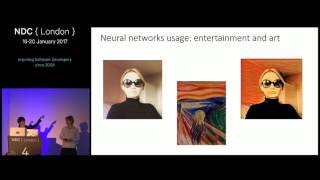
Neural Networks by Example
Explore neural networks' principles, applications, and real-life examples using MNIST dataset. Learn about convolutional networks and their use in image recognition and self-driving cars.