Don Quixote Part I - Chapters XXXVI-LII Analysis - Lecture 10
Explore key themes in Don Quixote's final chapters: character returns, insanity's role, law's arbitrariness, and the captive's tale, revealing Cervantes' innovative approach to literature and society.
Don Quixote Analysis - Chapters XI-XX and Juan Palomeque's Inn - Lecture 5
Análisis profundo de los capítulos XI-XX de Don Quijote, explorando temas como la ironía, el deseo erótico, los personajes picarescos y la estructura narrativa de Cervantes.

Don Quixote - Innovative Features and Literary Techniques - Lecture 3
Explore Cervantes' innovative literary techniques in Don Quixote, examining character self-invention, perspectivism, and the blurring of fiction and reality through dialogue and narrative structure.
Don Quixote - Front Matter and Chapters I-X Analysis
Explora el impacto literario de Don Quijote, su innovación como primera novela y el prólogo de Cervantes, analizando la creación literaria y su efecto en los lectores.
Introduction to Cervantes' Don Quixote - Lecture 1
Explore Cervantes' masterpiece, its literary significance, cultural impact, and enduring relevance. Delve into language nuances, historical context, and the work's profound examination of human nature.
Demographic Transition in Europe - Global Problems of Population Growth
Explore Europe's demographic shift: from marriage-controlled fertility to individual choice, rapid population growth, and increased life expectancy, reshaping societal norms and human experiences.

Population in Modern China - Global Problems of Population Growth
Explore China's population dynamics, from traditional family structures to modern policies, examining historical, economic, and social factors shaping demographic trends and government interventions.
From Ape to Human - Evolution of Violence and Fertility
Explore human violence, warfare, and fertility patterns throughout history, comparing them to other great apes and examining their impact on population growth and societal development.

Introduction to Freshman Organic Chemistry - How Do You Know?
Explore the foundations of scientific inquiry through experimentation and logic, using historical examples to illustrate key principles in organic chemistry and scientific thinking.
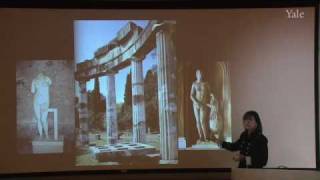
Rome and a Villa - Hadrian's Pantheon and Tivoli Retreat
Explore Hadrian's architectural legacy in Rome, from the innovative Pantheon to his sprawling villa at Tivoli, showcasing the emperor's vision and influence on Roman design.

Civic Life Interrupted: Pompeii's Architecture and Fate on August 24, A.D. 79
Explore Pompeii's ancient architecture and daily life, from public buildings to bakeries, culminating in a poignant account of the city's fate during Vesuvius' eruption in 79 AD.
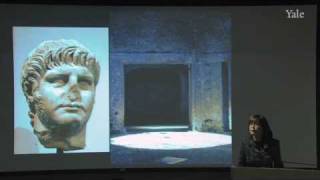
Notorious Nero and His Amazing Architectural Legacy - Roman Architecture
Explore Julio-Claudian emperors' architectural legacy, from Tiberius' Villa Jovis to Nero's innovative Domus Aurea, showcasing evolving Roman building techniques and the shift towards emphasizing interior spaces.

The Roman Way of Life and Death at Ostia - The Port of Rome
Explore ancient Ostia's architecture, from public spaces to residential buildings, revealing Roman life through exposed brick designs, mosaics, and evolving housing styles at Rome's bustling port city.
Paradise XXIV-XXVI: Dante's Examination on Theological Virtues
Explore Dante's examination on faith, hope, and love in Paradise, analyzing theological virtues through apostolic encounters and their relevance to personal growth and societal reform.
Paul's Disciples - Pseudepigraphic Letters to Colossians and Ephesians
Explore the pseudepigraphic letters to Colossians and Ephesians, examining their authorship, content, and theological differences from Paul's authentic writings.
Marx and Schumpeter on Capitalism's Dynamic Nature - Lecture 4
Explore Marx and Schumpeter's theories on capitalism's constant evolution, critiquing Marxist ideas and examining creative destruction through historical examples of technological revolutions.
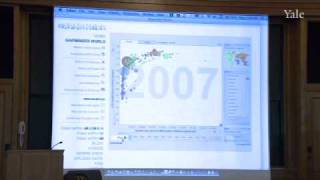
Thomas Malthus and the Theory of Inevitable Poverty - Lecture 2
Explore global economic development, demographic transitions, and their impact on poverty. Analyze Malthus' theories and modern perspectives on population growth and economic progress.
Creating a Nation - The American Revolution and Constitutional Debates
Explore the heated debates surrounding the US Constitution's ratification, including Federalist and Anti-Federalist arguments, and the eventual compromise leading to the Bill of Rights.
The Logic of a Campaign in the American Revolution - Lecture 17
Explore British military strategy during the American Revolution, examining logistical challenges, underestimations, and shifting tactics as the conflict unfolded from displays of force to major battles.

Who Were the Loyalists? - American Revolution Lecture 9
Explore the First Continental Congress, its radical measures, and the diverse motivations of Loyalists during the American Revolution in this insightful Yale lecture.
The Stamp Act Crisis and Colonial Unity in Pre-Revolutionary America
Explore the Stamp Act crisis and its role in uniting American colonies against British taxation, setting the stage for the American Revolution.