
Big Data, Big Impact - Preventing Drug Interactions, Understanding Behavior, and Climate Change
Stanford professors explore data-driven solutions for drug interactions, human behavior, and climate change, showcasing innovative applications of big data in engineering and science.
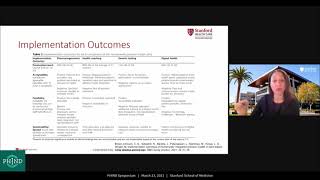
Humanwide: A Precision Health Approach in Primary Care
Explore Stanford Medicine's Humanwide project, focusing on personalized health care through data-driven approaches and comprehensive patient analysis.
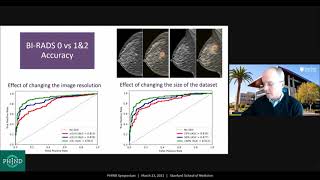
Imaging for Early Detection in the Era of Artificial Intelligence
Explore AI's impact on early disease detection through medical imaging, focusing on chest radiographs, coronary disease, and breast cancer, with insights from Stanford's Dr. Langlotz.
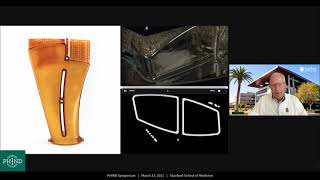
Digital Fabrication Approaches for Personalized Medicine
Explore innovative digital fabrication techniques for personalized medicine, focusing on cutting-edge approaches to tailor treatments to individual patients' needs.
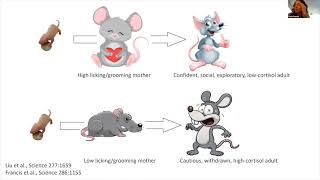
Maternal Trauma History and DNA Methylation in Infants - PHIND Seminar 2021
Explore the impact of maternal trauma, attachment, and depression on infant DNA methylation in this seminar by Dr. Thalia Robakis, revealing insights into early-life epigenetic changes.

Fluid-Based Biomarkers for Ovarian and Prostate Cancer - Winter 2021
Explore fluid-based biomarkers for ovarian and prostate cancer with Prof. Kislinger. Learn about shotgun proteomics, sample types, and cutting-edge research in cancer detection.
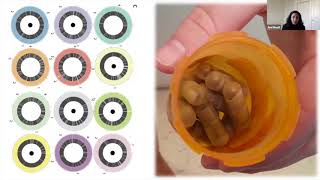
Identifying Microbiome Markers of Progression of Alzheimer's Disease - Fall 2020
Explore microbiome markers in Alzheimer's progression, focusing on genome analysis, sequencing techniques, and the microbiome's role in neuroinflammatory events and disease onset.
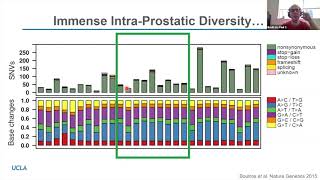
Origins and Detection of Lethal Prostate Cancer - Stanford Radiology CEDSS Fall 2020
Explore the origins and detection methods of lethal prostate cancer with Dr. Paul Boutros in this insightful seminar, offering valuable insights for researchers and healthcare professionals.
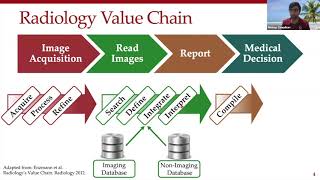
MRI as a Low-Cost High-Value Imaging Modality - Spring 2020
Explore advancements in MRI technology, focusing on improving cost-effectiveness, efficiency, and diagnostic capabilities for various medical conditions, particularly in orthopedics and cancer screening.

What's in Your Sweat: Health and Disease Insights - Stanford Radiology PHIND Seminar 2020
Explore sweat analysis for health monitoring, focusing on metabolite detection, chronic kidney disease applications, and the potential for non-invasive diagnostics in precision medicine.

Wearable Sensing for Neonates and Machine Learning in Prenatal Care - PHIND Seminar 2020
Explore wearable sensing for neonates and machine learning in prenatal care with experts from Stanford and Bloomlife, discussing innovative approaches to improve infant and maternal health outcomes.
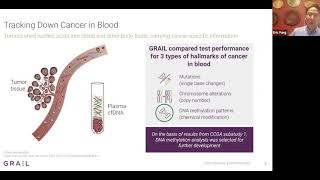
Early Cancer Detection Using Plasma cfDNA - Multicancer Screening and Localization
Explore early cancer detection using plasma cfDNA-based targeted methylation assays. Learn about multi-cancer screening techniques, clinical development programs, and implementation in existing healthcare workflows.
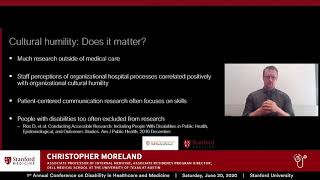
The Disability Healthcare Gap - Challenges to Culturally Humble Care
Explore challenges in providing culturally humble healthcare for individuals with disabilities, addressing gaps and promoting inclusive practices in medical settings.
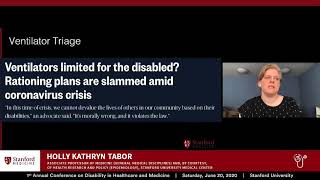
Disability and COVID-19: Ethical Challenges and Inclusive Solutions
Exploring COVID-19's impact on disability communities, ethical challenges, and calls for justice. Discusses triage concerns, research gaps, and the intersection of disability with race and healthcare access.

Strategies to Identify Aggressive Breast Cancer Biology in Black and Latina Women - Spring 2020
Strategies to identify aggressive breast cancer in Black and Latina women, focusing on MRI screening, biopsy data, and innovative technologies like single-cell analysis and photoacoustic imaging.

Stanford Radiology - Glenoid Labrum: Location Matters
Comprehensive guide to diagnosing labral pathology in the shoulder using MRI techniques. Covers normal anatomy, tear types, and key diagnostic points for accurate assessment.

Solving Medical Mysteries at the Stanford Center for Undiagnosed Diseases
Explore Stanford's innovative approach to solving complex medical cases using advanced diagnostics, expert clinicians, and cutting-edge research in the Undiagnosed Diseases Network.

Parenting at a Challenging Time - Help for Parents with Cancer
Guidance for parents with cancer on communicating with children, addressing developmental needs, and promoting resilience. Offers strategies for open dialogue and supporting children's coping mechanisms.

Virtual Reality Technology Treatment for Mental Illness
Explore virtual reality's potential in treating mental illnesses, from anxiety to psychotic disorders, with insights on embodied VR and its impact on cognition and body image.

Sleep and Cognition - Bedmates in Cancer
Explore the crucial link between sleep, cognition, and cancer, including common sleep disorders, their impact on patients, and strategies for improving sleep quality and cognitive function.

Love and Intimacy with Cancer - Through Diagnosis, Treatment, and Survivorship
Explore the impact of cancer on intimacy, sexual health, and relationships. Learn about research findings and practical strategies for maintaining emotional and physical connections during diagnosis, treatment, and survivorship.