
Pharmacology
Learn the basics of Pharmacology to understand drugs on a molecular level.

Introduction to Radiology
Radiographic techniques are explored in this course: Conventional Radiography, Computed Tomography (CT), Ultrasound, and Magnetic Resonance Imaging (MRI).

Emergency First Aid
Master life-saving techniques including CPR, defibrillator use, and emergency response for adults, children, and infants. Learn to recognize and treat various medical emergencies effectively.

Dental-Oral Health
Explore TMJ anatomy, jaw disorders, sleep apnea, corrective surgery, and swallowing mechanisms through detailed animations for comprehensive dental health understanding.
Organic Chemistry in Biology and Drug Development
Explore organic chemistry's role in biology and drug development, covering biomolecules, enzymes, nucleic acids, and pharmacology. Gain insights into drug discovery, synthesis, and therapeutic applications.

Congestive Heart Failure for Nursing & NCLEX
Comprehensive overview of congestive heart failure, covering diagnosis, pharmacology, pathophysiology, and nursing considerations for NCLEX preparation and clinical practice.
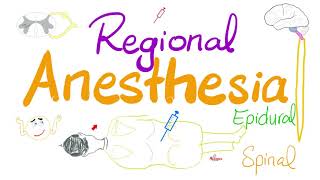
Epidural and Spinal Anesthesia - Regional Anesthesia
Comprehensive overview of epidural and spinal anesthesia techniques, covering embryology, local anesthetics, and potential complications for medical professionals and students.

Ultrasound of the Abdomen
Comprehensive guide to abdominal ultrasound techniques, covering key anatomical structures and imaging windows for accurate diagnosis and assessment.

Introduction to Ayurveda: The Science of Life
Explore Ayurveda's ancient wisdom for modern health. Learn about doshas, balance, and practical wellness tips from a Stanford expert in this comprehensive introduction.

Myocardial Infarction - Ischemia Pathophysiology, ECG, Nursing, Signs, Symptoms
Comprehensive overview of myocardial infarction pathophysiology, ECG interpretation, nursing care, complications, and diagnostic tools for NCLEX exam preparation.

First Aid Advice and Training
Comprehensive first aid training covering emergency situations, injuries, and medical conditions. Learn life-saving techniques for adults, children, and babies through instructional videos.

Pharmacology - Drug Interactions
Explore mechanisms of CYP450-mediated drug interactions, including competitive, non-competitive, and irreversible inhibition. Learn about binding affinity, intrinsic clearance, and their impact on drug efficacy and safety.

Improving Fertility in Men with Poor Sperm Count - Jesse Mills, MD - UCLAMDChat
Explore diagnostic and therapeutic options for improving male fertility, focusing on low sperm count issues and strategies to enhance reproductive health.
AI in Dermatology - The Pitfalls and Promises
Explore AI's potential and challenges in dermatology, focusing on addressing biases in datasets and algorithms to ensure equitable healthcare outcomes and streamline diagnostic processes.
Current Regulatory Requirements for Conducting Clinical Trials in India
Comprehensive overview of India's clinical trial regulations, covering key aspects and requirements for conducting ethical and compliant research in the country.

Uterine Fibroid Embolization - Interventional Radiology
Explore uterine fibroid embolization: procedure details, candidacy, symptoms, options, success rates, complications, and long-term effects with Stanford's expert Dr. Hovsepian.
Urology - Rapid Assessment & Treatment
Comprehensive overview of urological emergencies, covering diagnosis and treatment of infections, kidney stones, testicular torsion, and urinary retention. Emphasizes rapid assessment techniques for emergency medicine practitioners.
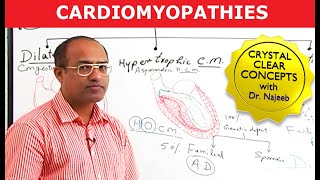
Cardiomyopathies - Causes & Symptoms - Cardiology
Comprehensive overview of cardiomyopathies, covering causes, symptoms, and classifications. Explores dilated, hypertrophic, and restrictive types, providing valuable insights for medical students and professionals.
AI for Clinical Trials and Precision Medicine - Ruishan Liu
Explores AI's potential to enhance clinical trial efficiency and generate precision medicine hypotheses, focusing on inclusive trial designs and quantifying cancer therapy effectiveness for specific mutations.
Ophthalmology - The National EM Board Review Course
Comprehensive review of ophthalmology for emergency medicine board exams, covering eye anatomy, disorders, infections, injuries, and critical conditions like glaucoma.

Human Behavioral Biology
Explore the biological foundations of human behavior, from genetics to neuroscience, covering topics like evolution, endocrinology, sexuality, aggression, and complex psychological phenomena.