
The Role of Genetic Diagnosis in Inherited Cardiac Conditions - Part 1
Explore genetic diagnosis in inherited cardiac conditions, focusing on its importance, challenges, and advancements in cardiovascular genomic medicine.

Stress, Strain and Young's Modulus - JAMB and WAEC Physics Tutorial
Explore stress, strain, and Young's modulus concepts for JAMB and WAEC physics exams. Learn mathematical formulas and problem-solving techniques with practical examples.
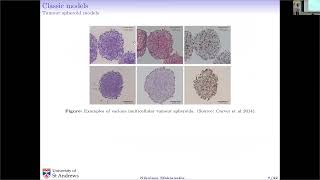
The Mathematical Hallmarks of Cancer - Yesterday, Today, and Tomorrow
Explore the mathematical modeling of cancer's key characteristics, examining past approaches, current methodologies, and future directions in oncology research.
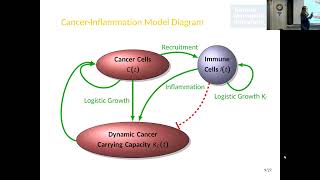
Modelling Inflammation in Cancer
Explore mathematical models of inflammation's role in cancer progression, examining key mechanisms and potential therapeutic targets.
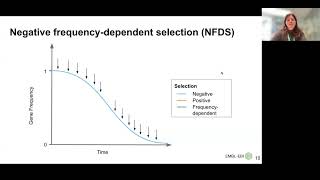
Mechanistic Modelling of Streptococcus Pneumoniae Population Dynamics After Vaccine Introduction
Explore mathematical modeling of bacterial population dynamics post-vaccination, focusing on Streptococcus pneumoniae and its implications for public health strategies.

Solid Waste Management - Causes, Effects, and Solutions
Explore causes, effects, and management strategies for solid waste, enhancing understanding of environmental impacts and sustainable solutions.
Noise Pollution - Sources, Control, and Environmental Impact
Explore sources, impacts, and control measures of noise pollution. Learn the distinction between sound and noise for a healthier environment and improved quality of life.
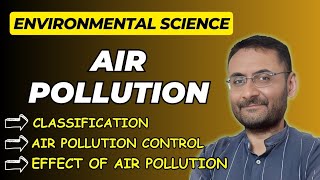
Air Pollution: Classification and Effects - Environmental Science
Explore air pollution types, sources, and impacts on health and environment in this concise overview of a critical environmental issue.
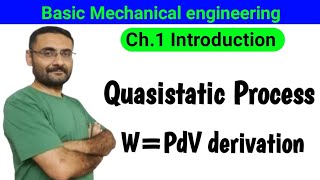
Quasistatic Process and W=PdV Derivation - Introduction to Thermodynamics
Explore quasistatic processes and derive the work equation W=PdV in this concise introduction for first-year engineering students, covering fundamental thermodynamic concepts.
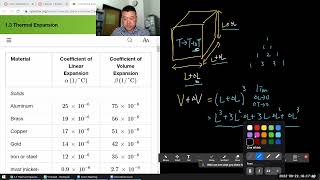
Physics 4B - Thermal Expansion Coefficients and Stress
Explore thermal expansion coefficients and stress in materials, understanding their impact on physical properties and engineering applications.
Evolution of Variants - Mutation Limited or Selection Limited
Explore the dynamics of variant evolution in infectious diseases, examining mutation and selection limitations to understand pathogen adaptation and spread.
Individuals' Unique Genetic Makeup Can Greatly Influence Their Susceptibility Towards Disease
Explore how genetic variations impact individual susceptibility to diseases, offering insights into personalized medicine and disease prevention strategies.
Pathogen Discovery - Lecture 1
Explore pathogen discovery techniques and their importance in understanding emerging infectious diseases, with insights from expert Chitra Pattabhiraman.
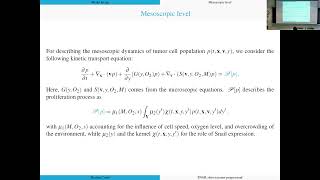
Multiscale Modeling of Tumor Invasion
Explore advanced mathematical techniques for modeling tumor invasion across multiple scales, enhancing understanding of cancer progression and potential treatment strategies.
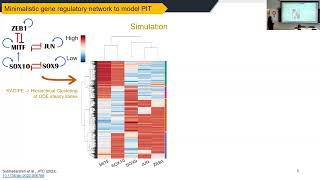
Dynamical Modeling of Proliferative-Invasive Plasticity and IFNγ Signaling in Melanoma - Mechanisms of PD-L1 Expression Heterogeneity
Explore melanoma dynamics through mathematical modeling, uncovering mechanisms behind PD-L1 expression heterogeneity and proliferative-invasive plasticity in cancer cells.
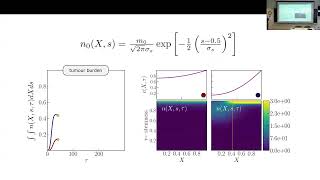
Modelling Hypoxia-Driven Cell Reprogramming in Solid Tumours
Explore mathematical models of hypoxia's impact on cell reprogramming in solid tumors, uncovering key mechanisms and potential therapeutic targets.
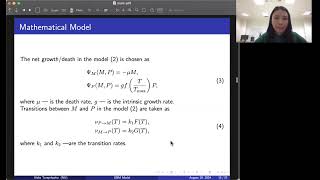
Traveling Wave Speed and Profile of a "Go or Grow" Glioblastoma Multiforme Model
Explore mathematical modeling of glioblastoma tumor growth, focusing on traveling wave speed and profile in a "go or grow" framework for advanced cancer research.
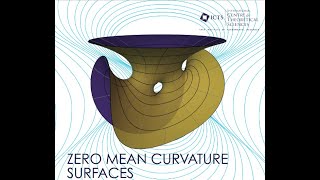
3D-Printed Bone Substitutes with Triply Periodic Minimal Surface - Lecture 2
Explore 3D-printed bone substitutes using triply periodic minimal surfaces in this lecture by Franz E. Weber, covering advanced techniques in biomedical engineering and materials science.
Statistical Learning for Real-Time Identification of Cancer Cells from Their Biophysical Characterization
Explore advanced statistical techniques for rapid cancer cell identification using biophysical data, enhancing diagnostic accuracy and treatment efficacy.
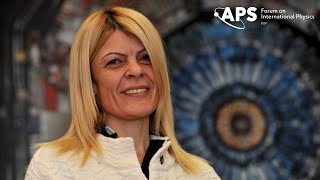
Beating Cancer with SEEIIST - Shaping Science in South-East Europe
Exploring SEEIIST: A collaborative initiative in South-East Europe for advanced cancer treatment research, fostering regional scientific cooperation and technological innovation.

Turner Syndrome - 45,X Karyotype (Monosomy X)
Comprehensive overview of Turner Syndrome, exploring genetic causes, clinical features, and associated health risks. Ideal for medical students and healthcare professionals seeking in-depth understanding.