
Your Immune System Could Predict How You Heal
Breakthrough research in Musculoskeletal Regenerative Medicine helps predict healing outcomes for traumatic injuries and osteoarthritis, leading to more effective treatments and improved quality of life.

How to Fly Safer - The 9th Core Competency in Aviation Safety
Explore the "9th Core Competency" in aviation safety, focusing on pilots' mental wellness and its impact on flight safety. Learn why prioritizing human factors is crucial for a new era in aviation.
Achieving Earth-Independent Medical Operations for Space Exploration
Explore cutting-edge research and innovations driving healthcare in space, from remote diagnostics to surgical robotics, and the challenges of achieving autonomous medical operations beyond Earth.

Eternal Stripes - Infinite Quest to Conserve Biodiversity
Dr. P Anuradha Reddy discusses tiger genetics, wildlife conservation, and biodiversity preservation. She highlights poaching threats, forest loss impacts, and the importance of habitat protection for long-term species survival.
From Deinonychus to the Dinner Table: The Link Between Birds and Dinosaurs
Explore the evolutionary link between dinosaurs and birds, uncovering fascinating clues and shared characteristics that connect these ancient creatures to modern avian species.
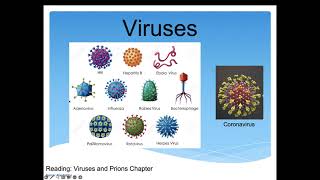
Virus Lecture - Part 1
Explore the fascinating world of viruses in this comprehensive lecture, covering essential concepts and recent updates in virology.
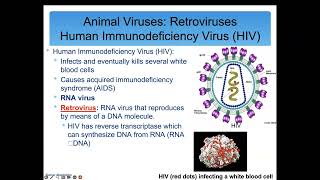
Virus Lecture - Part 2
Explore advanced concepts of virology, including viral replication, transmission, and impact on human health in this comprehensive lecture.
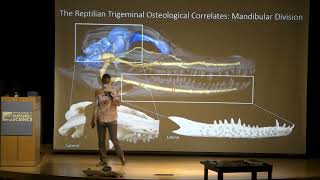
What Can We Learn from Studying Crocodylians? - Evolution and Fossil Insights
Explore crocodylian evolution, fossil discoveries in Colorado, and insights into their environmental adaptations with paleontologist Emily Lessner.
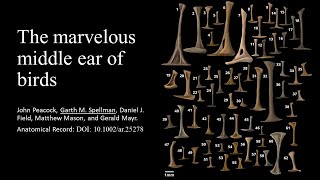
The Marvelous Middle Ear of Birds
Explore avian auditory adaptations through Dr. Garth Spellman's research on bird middle ear structures in this engaging Science Division Pop-Up lecture.
Scientists in Action: Walking with Gorillas - Conservation and Interconnected Health
Explore Uganda's wildlife conservation efforts with Dr. Kalema-Zikusoka, focusing on interconnected health of gorillas, humans, and environment. Learn how to contribute and get inspired.

ECG Chest Leads - Understanding Precordial Leads in Cardiology
Comprehensive guide to ECG chest leads, covering placement, function, and interpretation. Explores unipolar leads, Wilson Central Terminal, and their role in detecting cardiac electrical activity.
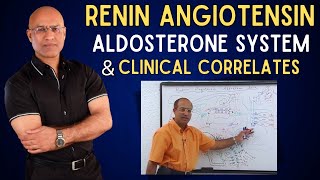
Renin Angiotensin Aldosterone System (RAAS) - Mechanisms and Functions
Comprehensive exploration of the Renin Angiotensin Aldosterone System, covering its mechanisms, components, and physiological effects in regulating blood pressure and fluid balance.
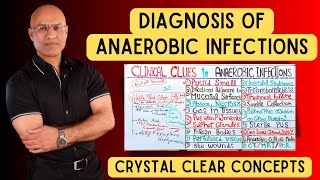
Diagnosis of Anaerobic Infections - Clinical Clues
Learn key clinical clues for diagnosing anaerobic infections, including symptoms, laboratory tests, and imaging studies essential for accurate identification and effective treatment.
Introduction to Biochemistry - Metabolism, Anabolic and Catabolic Processes, Hormones, and Amino Acids
Comprehensive overview of biochemistry fundamentals, covering metabolism, hormones, and amino acids. Explores key concepts like anabolism, catabolism, and the roles of insulin and glucagon.
Respiratory Emergencies: Assessment and Management of Distress, Failure, and Oxygenation
Comprehensive overview of respiratory emergencies, covering assessment, management, and key concepts in respiratory physiology for healthcare professionals.
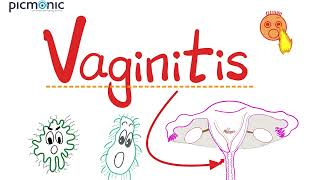
Vaginitis - Bacterial Vaginosis, Trichomonas Vaginitis, Candida Vulvovaginitis - Microbiology Part 15
Comprehensive overview of vaginitis types, including bacterial vaginosis, trichomoniasis, and candidiasis. Covers causes, symptoms, and treatments using animated mnemonics for enhanced learning and retention.
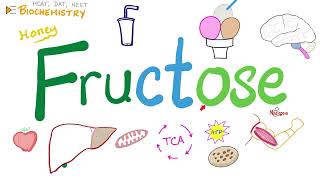
Fructose Metabolism - Disorders of Fructose Intolerance and Fructosuria
Explore fructose metabolism disorders: hereditary fructose intolerance and essential fructosuria. Learn about metabolic pathways, enzymes, and clinical implications of these rare genetic conditions.
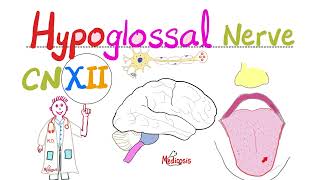
Hypoglossal Nerve - The 12th Cranial Nerve (CN XII) - Neuroanatomy
Comprehensive overview of the hypoglossal nerve's anatomy, function, and clinical significance. Explores its role in tongue movement and potential impacts of nerve damage.
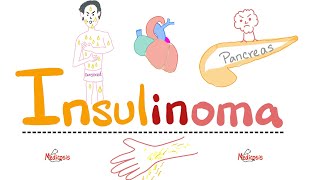
Insulinoma: Insulin-Secreting Tumor - Endocrine Pathology and Clinical Biochemistry
Comprehensive overview of insulinoma, covering pathophysiology, clinical presentation, diagnosis, and treatment. Explores endocrine pancreas function and related biochemical processes.
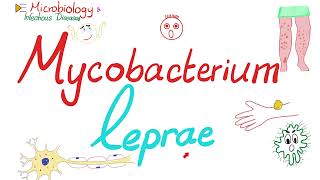
Mycobacterium leprae and Leprosy - Microbiology and Infectious Diseases
Comprehensive overview of Mycobacterium leprae, covering its characteristics, diagnosis, and clinical manifestations. Explores leprosy types, testing methods, and related mycobacterial infections.
Mycobacterium Tuberculosis - Diagnosis and Treatment
Comprehensive overview of TB diagnosis and treatment, covering microbiology, testing methods, and clinical aspects for healthcare professionals across various specialties.