Understanding Epilepsy: Electrical Storms in the Brain
Explore the science of epilepsy and seizures with Dr. Baumer as she reveals groundbreaking research using transcranial magnetic stimulation and EEG to understand brain activity patterns and potential treatments.
The Mystery of Migraines - Understanding Causes, Symptoms, and Treatments
Discover the science behind migraines with Stanford researcher Gabriella Muwanga as she explores brain mechanisms, personal experiences, and potential treatments for this debilitating neurological disorder.
Psychedelics and Empathy: Understanding MDMA's Role in Social Behavior and Mental Health Treatment
Explore groundbreaking research on MDMA and other psychedelics' potential in treating depression, anxiety, and PTSD, while understanding the neuroscience behind social behavior and brain reward circuits.
Your Gut - The Second Brain: Understanding the Enteric Nervous System
Explore the fascinating connection between your gut and brain, discovering how 600 million neurons in your digestive system influence appetite, mental health, and neurological conditions.
Respect Your Biological Clock - Understanding Circadian Rhythms and Health
Discover how circadian rhythms impact your health and wellbeing, exploring the science behind biological clocks and practical ways to maintain healthy daily rhythms for optimal physical and mental functioning.
Building a Bionic Eye: Engineering an Artificial Retina to Restore Vision
Discover groundbreaking research in artificial retina development and vision restoration technology, exploring how Stanford's pioneering team is engineering electronic implants to help restore sight to the blind.
Is Addiction a Disease? Understanding the Medical and Scientific Perspective
Explore the scientific evidence and expert insights on addiction as a disease through Stanford psychiatrist Keith Humphreys' analysis of neuroscience, policy implications, and current research findings.

Dynamic Imaging of Cerebral Physiology to Probe Brain Function and Vascular Health
Explore advanced neuroimaging techniques for understanding brain function and blood flow dynamics, featuring cutting-edge research in cerebral physiology and vascular health assessment.
Assembling the Brain - Understanding Neural Circuit Development Through Lab-Grown Models
Discover groundbreaking research on brain organoids and assembloids, exploring how these lab-grown neural models help understand psychiatric disorders and early brain development for potential new treatments.
Understanding Brain Fog: From COVID-19 to Cognitive Dysfunction
Delve into the neuroscience of COVID-related brain fog, exploring its similarities to chemo-fog, underlying mechanisms, and potential treatments through expert insights from Stanford neuro-oncologist Michelle Monje.
Brain Stimulation and Psychiatry 3.0 - Advances in TMS Therapy for Depression
Discover how Stanford's groundbreaking SAINT therapy revolutionizes depression treatment through targeted magnetic brain stimulation, achieving 80% remission rates in just one week and transforming psychiatric care approaches.
Redefining Parkinson's Disease - A New Biological Understanding
Discover groundbreaking research redefining Parkinson's disease through biological markers rather than symptoms, exploring early detection methods and potential preventive interventions with Dr. Kathleen Poston.
How Psychedelics Alter Our Perception of Reality - Part 2
Explore the fascinating mechanisms behind psychedelics' ability to alter perception and consciousness, with insights from Stanford researcher Boris Heifets on their impact on brain function and reality.
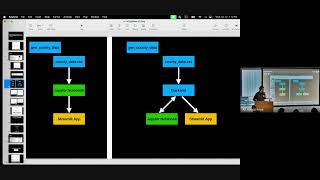
A Python App to Explore COVID-19 Demographics Using Streamlit and Census Data
Explore how to build a Python app using Streamlit and Censusdis to analyze COVID-19's demographic impact across America through interactive data visualization.
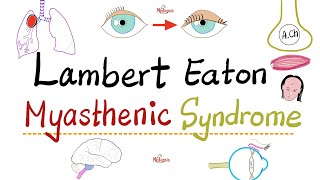
Lambert-Eaton Myasthenic Syndrome - Causes, Symptoms, Diagnosis and Treatment
Understand Lambert-Eaton Myasthenic Syndrome's causes, symptoms, and treatments, including muscle weakness patterns, autoimmune mechanisms, diagnostic approaches, and therapeutic options for managing this rare neuromuscular condition.
Enabling Real-Time Insights into Hemodynamic Blood Flow
Discover how innovative optical technology and advanced algorithms enable real-time visualization of blood flow dynamics during open surgery, advancing surgical precision and patient outcomes.
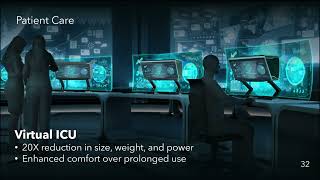
Immersive Display Technology: VR Without Headsets - A Medical Perspective
Discover Brelyon's innovative immersive display technology that combines monitor functionality with VR experiences, offering enhanced medical imaging and surgical visualization without headset requirements.
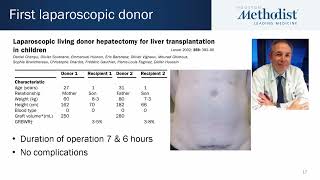
Robotic and Minimally Invasive Living Donor Liver Transplantation
Discover how robotic and minimally invasive techniques revolutionize living donor liver transplantation, focusing on enhanced recovery methods and improved donor comfort during life-saving procedures.
The Next Generation Endovascular Robot System
Discover how Sentante's teleoperated robotic system revolutionizes endovascular procedures with remote operation capabilities, haptic feedback, and enhanced precision while eliminating radiation exposure for medical staff.

Towards Autonomous Robots for Healthcare
Discover groundbreaking advances in autonomous medical robotics, focusing on steerable needle technology for precise lung cancer interventions and the future of robot-assisted healthcare procedures.

Technology in Head and Neck Surgery - Advances in Robotic and Virtual Surgical Planning
Explore technological advances in head and neck surgery, focusing on Transoral Robotic Surgery for oropharyngeal malignancies and virtual surgical planning for reconstructive procedures.