
Microbiology - Infectious Diseases
In this playlist we will go over some fundamental concepts in microbiology, and then focus largely on going through these infectious diseases one at a time, so we can learn about the pathogens that cause them, how their virulence operates, and how we can…
Infectious Disease - How Vulnerable Is Your Family and Our Community?
Explore influenza, measles, and emerging diseases like Ebola. Learn about new discoveries, risk reduction strategies, and Stanford's Level 1 Trauma Center capabilities for protecting your family and community.

Epidemiology & Biostatistics – USMLE Prep Videos
Comprehensive video series covering key concepts in epidemiology and biostatistics, including study designs, statistical analysis, risk assessment, and screening tests for USMLE preparation.

Understanding Hepatitis B and Liver Cancer - Prevention and Screening
Dr. Stephanie Chao explores the link between hepatitis B and liver cancer, focusing on prevention, screening, and awareness, particularly in Asian populations. Learn about risk factors and strategies to combat this preventable disease.

Travel Medicine - What You Should Know Before You Go
Comprehensive guide to travel medicine, covering vaccinations, medications, and prevention strategies for common travel-related illnesses. Essential information for safe international travel.

Biostatistics Tutorial for Beginners to Experts
Comprehensive biostatistics tutorial covering key concepts from basics to advanced topics, including data analysis, probability, medical decision-making, epidemiology, and research design.

Microbiology Lectures
Comprehensive exploration of microbiology fundamentals, covering cell structures, genetics, microbial control, host-microbe interactions, immunology, and laboratory techniques for aspiring microbiologists.
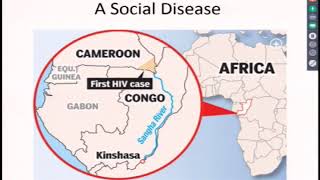
A Guide to HIV Management in the Modern Era
Comprehensive overview of HIV management, covering history, epidemiology, diagnosis, treatment, and future developments in infectious disease care.

Systemic Lupus Erythematosus
Comprehensive overview of Systemic Lupus Erythematosus, covering epidemiology, pathophysiology, clinical manifestations, diagnosis, and treatment options for healthcare professionals.
Black Fungus and COVID-19
Explore the connection between black fungus (mucormycosis) and COVID-19, including causes, symptoms, and complications in immunocompromised patients, particularly those with uncontrolled diabetes.

Tuberculosis - Respiratory Pathology
Comprehensive overview of tuberculosis, covering history, types, causes, screening, and treatment. Animated mnemonics enhance understanding of this respiratory disease and its management.
Picmonic Microbiology - Pseudomonas, Proteus & Salmonella - Gram-Negative Rods
Explore key gram-negative rods: Pseudomonas, Proteus, and Salmonella. Learn their characteristics, associated diseases, and clinical significance through animated mnemonics and engaging content.

Emergency Response to Emerging Infections
Learn strategies for responding to emerging infections in developing nations, focusing on the 2014 Ebola outbreak in Liberia and effective infection control practices in resource-limited settings.

Biomolecular Engineering - Engineering of Immunity and Vaccine Development
Explore vaccine development, from smallpox history to modern bioengineering. Learn about immune system roles, vaccination methods, and potential bioterrorism concerns in this comprehensive lecture.
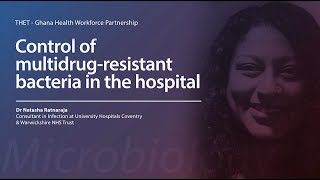
Control of Multidrug-Resistant Bacteria in the Hospital - Dr Natasha Ratnaraja
Comprehensive overview of hospital infection control strategies, focusing on multidrug-resistant bacteria prevention, transmission modes, and effective containment measures for healthcare professionals.
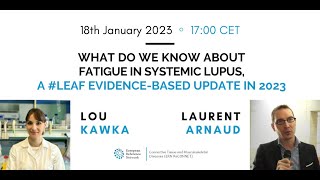
Fatigue in Systemic Lupus: A LEAF Evidence-Based Update
Explore fatigue in systemic lupus erythematosus: causes, impacts, and innovative management strategies using the LEAF digital tool for personalized assessment and advice.

New Approaches to Vaccine Development for TB and HIV
Explores innovative vaccine development strategies, focusing on lipid nanoparticles and lymph node targeting for HIV/TB. Discusses improved antigen delivery, immune response enhancement, and safety considerations in vaccine design.

Update on Cryptococcal Disease in HIV-Infected Patients - Lecture 7
Comprehensive update on cryptococcal disease in HIV patients, covering epidemiology, diagnostics, treatment strategies, and recent clinical trials. Emphasis on optimal timing of antiretroviral therapy initiation.

Evolutionary Forces in Humans and Pathogens - Natural Selection and Genomic Studies
Explore genomic evolution in humans and pathogens, focusing on natural selection, adaptive traits, and disease-causing microbes. Learn about cutting-edge research methods and their public health implications.

Prospects for an HIV Vaccine and Cure
Exploring HIV vaccine and cure prospects, this lecture covers epidemic status, molecular approaches, challenges, and potential breakthroughs in HIV research and treatment strategies.
Bird Flu Research: Dangerous Information on a Deadly Virus
Experts debate publishing bird flu research that made the virus more contagious, exploring scientific freedom, biosecurity, and public health implications.