
EfficientML.ai Lecture - Introduction to Efficient Machine Learning
Explore cutting-edge techniques for optimizing machine learning models, focusing on efficiency and performance in real-world applications.
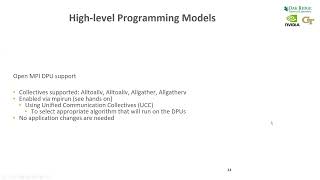
Leveraging SmartNICs for HPC and Data Center Applications - Part 2
Dive into advanced SmartNIC implementation strategies for optimizing high-performance computing and data center operations, covering deployment techniques and performance optimization.

U2F Zero - Secure Hardware Design, DIY Mass Production, and Amazon Prime
Explore U2F Zero: secure hardware design, DIY production, and Amazon Prime sales. Learn about hardware acceleration, manufacturing challenges, and cost breakdown for this innovative security device.
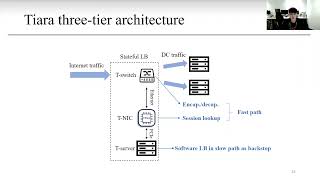
Tiara - A Scalable and Efficient Hardware Acceleration Architecture for Stateful Layer-4 Load Balancing
Scalable hardware acceleration architecture for stateful layer-4 load balancing, supporting high traffic rates, large concurrent flows, and numerous new connections without traffic pattern assumptions.

The nanoPU - A Nanosecond Network Stack for Datacenters
Innovative NIC-CPU co-design accelerating datacenter applications with μs-scale RPCs. Features fast network-to-CPU path, hardware-supported transport and load balancing, achieving 69ns wire-to-wire response time and improved performance.

HWallet - The Simple Cryptocurrency Hardware Wallet
Explore the creation of a simple cryptocurrency hardware wallet, focusing on hardware acceleration, code optimization, and Bitcoin processing techniques.
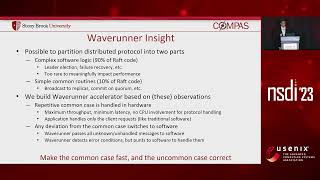
Waverunner - An Elegant Approach to Hardware Acceleration of State Machine Replication
Elegant hardware acceleration for state machine replication using FPGA-based SmartNICs. Achieves high performance in common scenarios while maintaining software flexibility for rare cases.
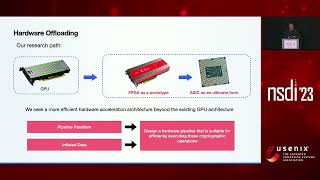
FLASH - Towards a High-performance Hardware Acceleration Architecture for Cross-silo Federated Learning
Innovative hardware acceleration architecture for cross-silo federated learning, enhancing performance and resource utilization of cryptographic operations while preserving data privacy.
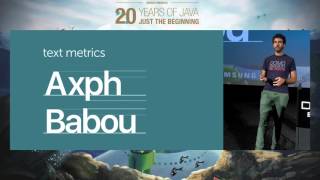
Hinting Around - Android Text Demystified
Explore typography, Unicode, and text rendering on Android. Learn about font systems, typesetting, and performance optimization for effective text handling in app development.

Massive Acceleration through the Many-core Processor
Explore the potential of graphics cards for massive hardware acceleration, from historical developments to future prospects, with insights on production code and best practices.
TensorFlow Lite - How to Accelerate Your Android and iOS App with AI
Explore TensorFlow Lite for efficient on-device machine learning in Android and iOS apps. Learn about low-latency inference, hardware acceleration, and overcoming challenges in mobile AI implementation.

Bringing WebM Alpha Support to GStreamer
Explore WebM Alpha support in GStreamer, including retro alpha specification, software and hardware-accelerated decoders, and implementation architecture for transparent video transitions.

Hardware Aided Computing
Explore hardware-aided computing techniques to enhance software performance and efficiency in modern systems.

What You Didn’t Know About Ingress Controllers’ Performance
Detailed performance analysis of Kubernetes Ingress Controllers, focusing on proxy server optimization, TLS operations, hardware acceleration, and resource allocation for improved HTTP request latency.

Accelerate and Autoscale Deep Learning Inference on GPUs with KFServing
Explore KFServing for efficient GPU-based deep learning inference, focusing on BERT models. Learn about scalability, performance optimization, and real-world applications in financial data processing.
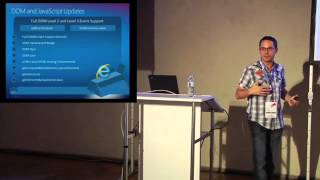
Chakra - Building a New JavaScript Engine for Internet Explorer 9
Explore the development of Chakra, IE9's JavaScript engine, focusing on performance improvements, new features, and its impact on web browsing speed and efficiency.
Hardware Implementation of OCaml Using a Synchronous Functional Language
Explore Éclat, a functional language for hardware applications, and its implementation of an OCaml virtual machine on FPGAs, showcasing real-time interaction and customizable runtime.
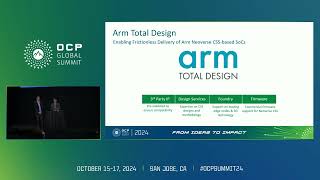
Accelerating AI Innovation with Arm Total Design - A Chiplet Ecosystem Case Study
Explore how Arm and Samsung leverage chiplet technology and the Total Design ecosystem to accelerate AI innovation through modular silicon design and collaborative development.
How to Convert and Compress Video Using Wondershare Uniconverter
Master video file conversion and compression techniques using Uniconverter, featuring AI enhancements, batch processing, and support for 1000+ formats while maintaining high quality output.
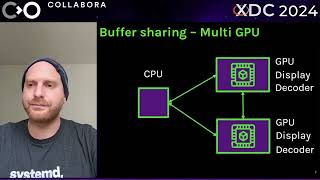
Video Offloading on the Wayland Linux Desktop - Efficient Playback and HDR Developments
Explore recent advancements in Linux desktop video playback efficiency, focusing on Wayland compositors, GStreamer, GNOME, and Chromium developments, including HDR capabilities.
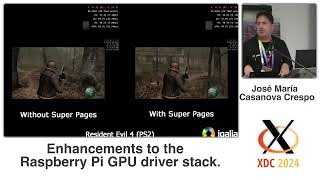
Enhancements to the Raspberry Pi GPU Driver Stack - Performance and Vulkan 1.3 Updates
Discover the latest GPU driver improvements for Raspberry Pi 5, including Vulkan 1.3 conformance, enhanced subgroups support, and optimizations for better memory usage and shader performance.