Depth Robust Graphs and Their Cumulative Memory Complexity
Explore depth robust graphs and their cumulative memory complexity, examining theoretical foundations and practical implications for cryptographic applications.
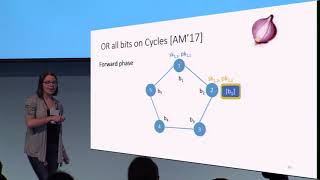
Topology Hiding Computation on All Graphs
Explore topology hiding computation on all graphs, covering security, broadcast results, protocols, and semantic security. Discover contributions and open questions in this cryptographic field.
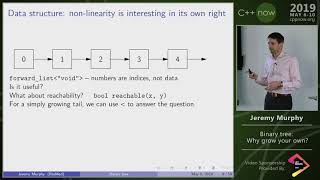
A Generic Binary Tree - Why Grow Your Own?
Explore the design and implementation of a generic binary tree for Boost.Graph, discussing trade-offs, storage options, and performance comparisons while drawing insights from classic computer science texts.
Three Musketeers - Sherlock Holmes, Mathematics and Python
Explore how mathematics and Python can be used to solve crime mysteries, inspired by Sherlock Holmes. Learn to apply statistical concepts and Python libraries to tackle forensic puzzles and hypothetical cases.
Improving Efficiency in Transportation Networks Using Python
Explore Python's role in optimizing transportation networks through real-world examples, including driver-load matching, network optimization, and decision-making using graph analytics and data science concepts.
Exploring Eco Topics with Python
Learn to apply Python skills to pressing environmental issues, using tools like numpy, pandas, and matplotlib to analyze deforestation, wildlife trade, and carbon pollution data.
Pricing Products Using Python Graphs and Sets
Explore product pricing strategies using Python's graphing and set capabilities, focusing on ice cream as a model system to uncover patterns and meet business requirements.
Pricing Products Using Python Graphs and Sets
Learn to price products efficiently using Python's graph and set capabilities, exploring practical techniques for product lifecycle management and rule interpretation.
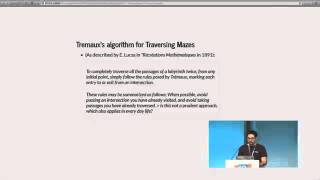
Traversing Mazes the Pythonic Way and Other Algorithmic Adventures
Explore graph algorithms through a Pythonic lens, focusing on maze traversal, efficient representations, and problem-solving techniques like backtracking and dynamic programming.
Just Because You Can, Doesn't Mean You Should
Explores antipatterns in Python library design, discussing type checking, API design, resource management, and networking. Emphasizes balancing convenience with flexibility, readability, and predictability.
NetworkX Visualization Powered by Bokeh
Interactive network visualization using NetworkX and Bokeh in Jupyter Notebooks. Learn to create, manipulate, and update network structures with Python, enhancing data exploration and analysis of social networks.
Optimization Using Flow Networks in NetworkX
Explore NetworkX for optimization using flow networks, covering library basics, network flow concepts, and solving the project selection problem with practical examples.
When a Biologist Met Python
Explore the intersection of biology and Python, discovering how computational tools enhance biological research and improve scientific workflows.
When a Biologist Met Python
Explore the intersection of biology and Python, discovering how this programming language revolutionizes research in computational biology and bioinformatics through various modules and tools.
What's Your Bacon Number - An Introduction to Graph Databases
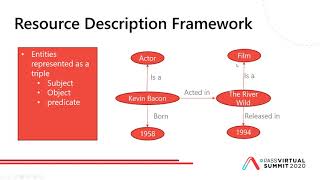
Explore graph databases using IMDB data to calculate Bacon Numbers. Learn graph theory, database types, and practical applications with Azure Cosmos DB and Gremlin API.
The Math Every Programmer Needs
Explore practical applications of discrete math in programming, including Boolean algebra, combinatorics, and graph theory, to enhance your coding skills and problem-solving abilities.
Re-examining Recipe Search
Exploring innovative approaches to recipe search using graph databases and JavaScript, addressing cuisine origins and flavor preferences for improved culinary discovery.
Metaphors We Compute By
Explore how metaphors shape our understanding of software, influencing code quality, algorithm choices, and product development. Gain insights into the success of microservices and containers in modern tech.

What Are Graph Databases and Why Should I Care
Explore graph databases' potential in personalization, logistics, and fraud detection. Learn about various datastores, processing frameworks, and practical applications to enhance complex systems.
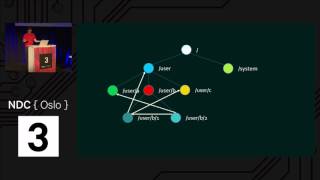
Composing High Performance Process Workflows with Akka Streams
Explore high-performance process workflows using Akka Streams. Learn to define, integrate, and compose workflows at a higher level, replacing traditional actors with streamlined graph-based definitions in C#, F#, and Scala.
Social Network Analysis: Introduction - Lecture 1
Explore fundamental concepts and principles of Social Network Analysis in this introductory lecture.