SLEEK - A Highly Efficient Transgene Knock-in Technology in Clinically Relevant Cell Types
Explore SLEEK, an efficient transgene knock-in technology for clinically relevant cell types. Learn about this CRISPR-based method for improved gene editing and its potential impact on cell-based medicines.
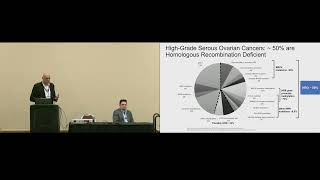
Implementing CGP and HRD Testing In-House for Advanced Cancer Care
Explore implementing CGP and HRD testing in healthcare, covering technical aspects, concordance with other assays, and benefits of in-house testing for matching patients with therapies.
Lessons Learned by Studying a Mucin-Dependent MAPK Pathway in a Model Fungal System
Explore signal transduction pathways, focusing on MAPK pathways in fungi. Gain insights into signal specificity, shared components, and implications for disease research.

Why Isn't My Child Gaining Weight? - Medical Case Study Review - Lecture 43
Explore a pediatric case study on weight gain issues, covering physical exams, diagnostic tests, and management strategies for cystic fibrosis and related conditions.
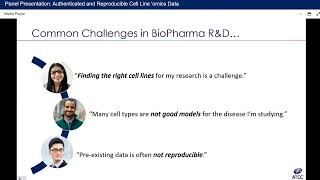
Authenticated and Reproducible Cell Line 'omics Data
Explore ATCC Cell Line Land for authenticated genomic profiles of cell lines. Access standardized 'omics data to enhance preclinical experiment planning and design. Learn about data curation, provenance, and practical applications.
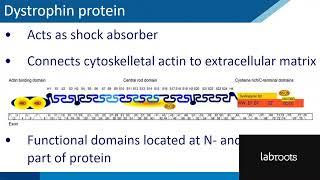
Dystrophin Quantification in Preclinical and Clinical Settings
Explore dystrophin quantification methods for Duchenne muscular dystrophy therapies. Learn about exon skipping, gene therapy approaches, and measuring dystrophin levels in clinical trials.
Simplifying Somatic NGS Analysis and Reducing Literature Review Time with HSMD
Streamline somatic NGS analysis and reduce literature review time by 90% with the Human Somatic Mutation Database. Explore genomic content, clinical trials, and expert-curated insights for solid tumors and hematological malignancies.
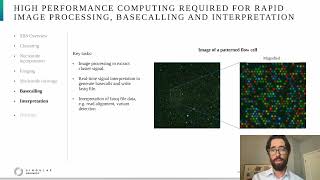
Delivering Fast, Flexible Next-Generation Sequencing through Innovations in Chemistry and Engineering
Explore rapid next-generation sequencing innovations for faster, flexible DNA analysis in research and clinical applications, reducing turnaround time and improving cost-effectiveness.
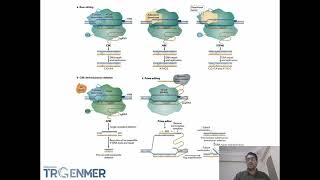
CRISPR Base Editor and Prime Editor Toolbox and Applications
Explore CRISPR base and prime editing technologies, their applications, and potential for treating genetic disorders without harmful double-strand breaks. Learn from expert Dr. Cihan Tastan in this cutting-edge webinar.
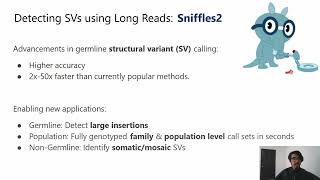
Comprehensive Structural Variant Detection: From Mosaic to Population Level
Explore advanced structural variant detection using Sniffles2, a powerful tool for identifying complex genomic alterations with increased accuracy, speed, and functionality in long-read sequencing data.
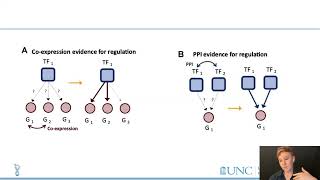
Gene Regulatory Networks and Individual-Specific Regulatory Disruptions
Explore gene regulatory networks and individual-specific disruptions, focusing on disease-associated genetic variants and their impact on transcription factor binding and gene expression.
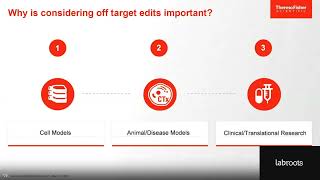
Considerations to Limit Off-Target Edits in Gene Editing Experiments
Explore strategies to minimize off-target edits in gene editing experiments. Learn best practices, considerations for different scenarios, and optimized workflows to enhance precision in genome manipulation.
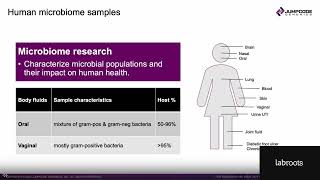
Boost Microbial Detection Sensitivity with Unbiased Human Host DNA and RNA Depletion
Enhance microbial detection in human microbiome samples through unbiased host DNA/RNA depletion. Learn about CRISPRclean technology for improved taxonomic resolution and increased microbial genome coverage.
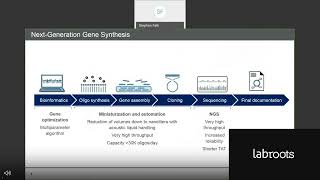
Complete Workflow Solution from Gene-to-Protein
Explore a comprehensive gene-to-protein workflow solution for reliable recombinant protein expression in eukaryotic cells, optimizing yields for structural and functional analyses in biomedical research and drug development.
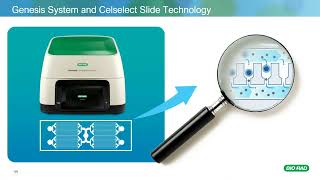
Maximizing Metastasis Insights: Using a Novel Integrated Workflow for Efficient CTC Analysis
Explore a novel integrated workflow for efficient CTC enrichment, enumeration, and identification in metastasis research. Learn about unbiased size selection and compatibility with various molecular and cellular applications.
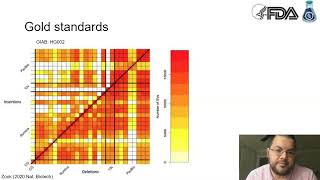
A Structural Variation Map of 499 Han Chinese Individuals Using Long-Read Sequencing Data
Explore a comprehensive structural variation map of Han Chinese genomes using long-read sequencing, uncovering genetic insights and implications for human evolution and disease.
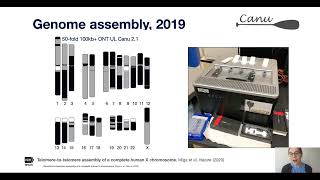
Telomere-to-Telomere Chromosome Assemblies: New Insights Into Genome Biology and Structure
Explore complete human genome assemblies, unlocking insights into complex regions and revolutionizing genetics. Gain new perspectives on genome biology and structure through telomere-to-telomere chromosome analysis.
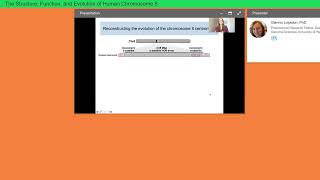
The Structure, Function, and Evolution of Human Chromosome 8
Explore the groundbreaking assembly of human chromosome 8, unraveling its structure, function, and evolutionary history. Gain insights into centromere evolution and the resolution of long-standing genomic gaps.
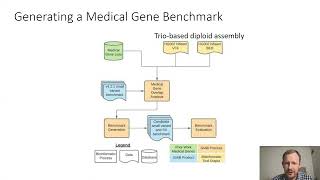
Towards a Comprehensive Variation Benchmark for Medically-Relevant Autosomal Genes
Explore advancements in genomic benchmarking for medically-relevant autosomal genes. Learn about GIAB consortium's efforts to improve variant calling in challenging genomic regions.
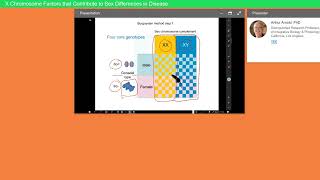
X Chromosome Factors that Contribute to Sex Differences in Disease
Explore mechanisms behind sex differences in disease, focusing on X chromosome factors. Discover non-hormonal origins of sex bias and their impact on disease progression and treatment approaches.
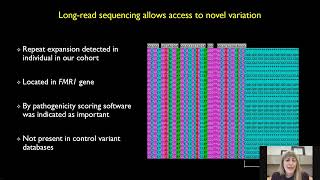
Application of Long-read Sequencing in Human Genetics
Explore long-read sequencing's revolutionary impact on human genetics, enabling rapid genome assembly and comprehensive variation detection for enhanced disease understanding.